How to Choose the Best Solar Panel System?
Choosing the best solar panel system is not simply a matter of buying the panels with the highest advertised output. The right setup depends on your roof, electricity use, budget, and plans for the home. Start with recent utility bills and note when your household uses the most power. A south-facing roof may produce well, but roof direction alone does not decide the result. Shade matters. A chimney, nearby tree, or roof vent can reduce output, so ask installers to assess the actual roof and show their production estimates. Tesla CEO Elon Musk has said, “We need to make solar roofs and batteries and electric cars and we need to make them beautiful.” His comment highlights an important choice: equipment should fit the building and the household, not just look impressive on a sales sheet.
Still, a polished estimate can miss things. Check panel and inverter warranties, expected maintenance, installation details, and how the system handles partial shade. If you are considering a battery, compare its usable capacity with your evening demand and backup needs; storage is not automatically worthwhile for every home. Ask for itemized quotes and clear assumptions about local weather, utility rates, and future electricity prices. These can change the financial picture. A reliable installer should explain trade-offs plainly and let you compare options without pressure. The following guide looks at system size, panel types, inverters, batteries, costs, and installer questions. It also points out where estimates can be uncertain, because real roofs rarely behave like perfect diagrams. Measure carefully. Then choose a solar panel system that makes sense for your home today, while leaving room to reconsider what you may need later.
Assess Your Household’s Electricity Use and Solar Goals
A good solar estimate starts with your electricity use, not the number of panels on a neighbor’s roof.
Gather 12 months of utility bills and note each month’s kilowatt-hour use. Winter heating, summer air conditioning, and longer days can create very different patterns.
Start with the bills. A single month rarely tells the whole story.
Next, consider when your household uses power. If the home is empty during sunny hours, much of the system’s output may not match your evening demand. Check your utility’s rates and how it credits exported electricity.
Then list likely changes, such as an electric vehicle, heat pump, or home addition.
Small details matter.
A rough spreadsheet can help, but it may miss future habits or seasonal shifts.
Your goal also shapes the system. To reduce annual grid purchases, compare estimated yearly solar production with your yearly use. For backup during outages, ask which essential circuits a battery could support and for how long.
A battery is not automatically necessary for lowering bills.
Share your bills, roof shading, and goals with a qualified solar professional, and ask how the estimate accounts for local weather and usable roof space.
Estimates still involve assumptions; check them rather than treating one number as a promise.
Evaluate Roof Conditions, Sunlight, and Local Regulations
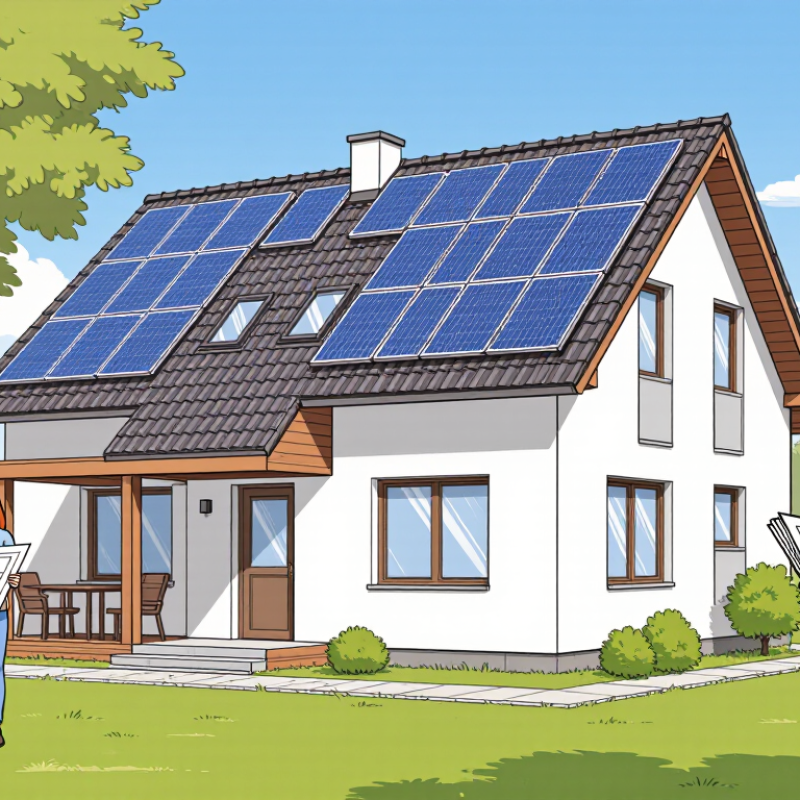
Before comparing solar systems, check whether the roof can support one for decades. A roof may look sound from the driveway but still have cracked shingles, soft spots, or aging flashing. Ask a qualified roofer or solar professional to inspect its condition and estimate remaining service life. Replacing roofing after panels are installed can add cost and disruption. Small details matter. Roof angle and direction also affect production; south-facing surfaces often perform well, but other orientations may still work.
Sunlight changes through the day and across seasons. A chimney, nearby tree, or neighboring building can cast a narrow shadow that cuts output more than expected. Look for shade in the morning and afternoon, not just at noon. A site-specific assessment should account for roof shape, local weather, and seasonal sun paths. A bright afternoon is not enough evidence. Estimates are still estimates, and real production can vary.
Check local requirements before choosing equipment or signing an installation contract. Permits, building rules, fire-access clearances, and utility interconnection steps may affect the design and schedule. Requirements differ by location, so confirm them with the relevant local office and utility. Ask the installer to explain who handles applications and provide a written scope of work. I would not assume a verbal promise covers every approval; details can be missed.
How Sunlight Affects Solar Panel Output
Estimates assume a 5 kW system and an 80% overall performance ratio: daily energy (kWh) = system size (kW) × peak sun hours × 0.80. Actual output depends on location, shading, roof orientation, and equipment. Before choosing a system, check roof condition and usable area, estimate your local sunlight, and confirm local permits, setbacks, and utility interconnection requirements.
Compare Solar Panel Types and Essential System Components
Panel choice starts with roof space, shade, and temperature—not the highest efficiency figure. Fraunhofer ISE’s Photovoltaics Report (2024) estimates crystalline silicon accounted for about 97% of global module production in 2022. Monocrystalline panels usually offer strong output per square metre, useful on compact roofs. Polycrystalline panels can cost less, but often need more area for similar output. Thin-film modules are lightweight and can suit unusual surfaces, though their lower efficiency may demand more space. That trade-off matters. The comparison is imperfect: products within one technology also vary, and local heat or shade can change real-world output.
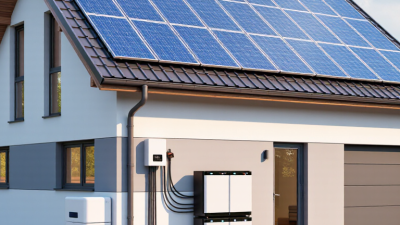
A complete system needs more than panels. An inverter converts their direct-current electricity into household-ready alternating current; string inverters suit many simple roofs, while module-level electronics can help manage partial shade. Racking must match the roof and local wind conditions. Wiring, disconnects, and monitoring equipment also affect safety and performance. Batteries are optional, but useful when evening use or backup power matters. NREL’s 2016 Compendium of Photovoltaic Degradation Rates found a median degradation rate near 0.5% per year across reviewed systems. It is a useful benchmark, not a promise for every installation. Ask for a roof-specific production estimate, including shade assumptions and expected losses. Small details count.
Determine System Size, Inverter Type, and Battery Needs
Start with the load. Use 12 months of electricity bills to find annual use and seasonal peaks. Then compare that demand with local solar production, not just roof area. NREL’s PVWatts model uses a 14% default system-loss assumption, covering factors such as wiring and shading; actual losses vary by site (NREL, PVWatts documentation). A rough estimate helps, but it is not a promise. Check roof direction, shade from nearby trees, and winter sunlight before settling on system size.
Match the inverter to the array and home. String inverters can suit simple roofs with similar panel exposure; microinverters can help when panels face different directions or experience uneven shade. Ask for the inverter’s continuous output rating and surge capacity, especially if pumps or other motor-driven loads must start during an outage. The highest-rated unit is not automatically the best fit.
Size the battery around specific loads and backup time. A 1 kW load running for eight hours uses 8 kWh, before conversion losses or reserve capacity. List essentials, such as a refrigerator, lights, and internet equipment, then calculate their combined energy use. NREL’s 2024 Annual Technology Baseline uses about 85% round-trip efficiency for its utility-scale lithium-ion storage reference case; residential products differ, so treat that figure as context, not a household guarantee. Battery sizing is where estimates often get fuzzy. Recheck assumptions with hourly usage data and a qualified solar professional.
Review Installer Credentials, Costs, Incentives, and Warranties
A strong solar proposal begins with a qualified installer, not a glossy savings estimate. Check required local licenses, insurance, electrical experience, and references for similar roofs. A NABCEP credential can signal training, but it does not replace local licensing. Ask who handles permits, inspections, and repairs if a leak appears. Get itemized quotes showing panels, labor, electrical upgrades, roof work, and any battery. Lawrence Berkeley National Laboratory’s Tracking the Sun 2024 report places typical residential system prices around $3 per watt, though location and project details change the figure. Compare equivalent system sizes and equipment. Otherwise, the cheapest quote may simply leave work out.
Incentives depend on where you live, when you install, and your eligibility. Verify current programs through official government or utility sources before counting them toward payback. A spreadsheet can miss a roof repair or a utility’s export rules. That matters. Read warranty terms separately: product coverage, energy-production guarantees, and workmanship protection are not the same thing. Check who pays for labor, how claims are filed, and whether roof penetrations are covered. Ask for the warranty documents before signing. A tidy payback estimate is still an estimate; shade from a growing tree can change the numbers.