What Are the Top 10 Solar Power System Suppliers in China?
China is home to a wide range of manufacturers serving residential, commercial, and utility-scale solar projects. Their offerings may include panels, inverters, batteries, mounting structures, and complete solar power system packages. But a broad catalog does not automatically mean a supplier is right for every project. Scale alone proves little.
This guide introduces ten notable Chinese suppliers and the factors buyers can use to compare them. These include product specifications, manufacturing capabilities, quality-control practices, warranty terms, and the availability of technical support. Check details against current product documents and independent test reports, since models and service conditions can change. A warranty, for example, matters most when its coverage and claim process are clear.
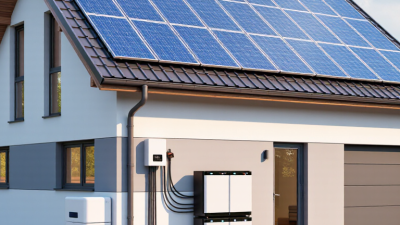
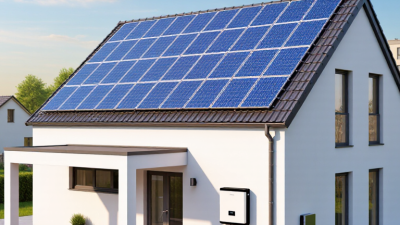
Project requirements should shape any shortlist. A rooftop installation may prioritize compact equipment and straightforward monitoring, while a larger project may need coordinated delivery and long-term service. Ask suppliers for system-level compatibility information, not just impressive component figures. That small step can prevent costly mismatches.
Rankings also have limits. Supplier performance may vary by product line, order size, and destination, and no single list can replace project-specific due diligence. Treat these names as a starting point, then verify claims, request comparable quotations, and consult qualified installers before making a decision. Real comparisons take time.
How China’s Solar Power Supply Chain Is Structured
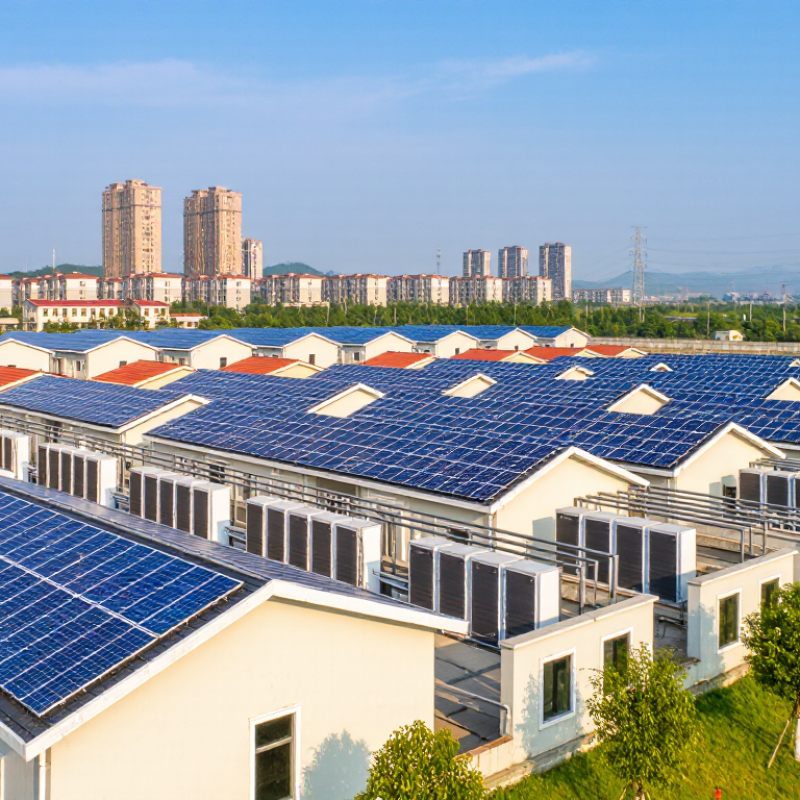
China’s solar supply chain is not one factory or one product. It is a network linking raw materials, component makers, system integrators, and installation teams. The process begins with materials such as silicon, glass, aluminum, and copper. These become cells and modules, then combine with inverters, mounting structures, cables, and monitoring equipment. Each stage has different production needs and quality checks.
The structure supports large-scale manufacturing, but coordination matters. A module may leave one province while its frame, inverter, and wiring come from several others. Warehousing and transport affect delivery times, especially when projects need customized dimensions or tight schedules. Small delays can ripple through the chain. That part is easy to underestimate.
Suppliers may focus on a single component, while system providers assemble equipment into a working installation. Buyers should examine product specifications, test records, warranty terms, and the supplier’s ability to trace materials and batches. Factory capacity alone tells only part of the story. Real performance also depends on design, installation, and maintenance. Even a well-made system can disappoint if components are mismatched or site conditions were poorly assessed. The supply chain is efficient, though not flawless; communication gaps still happen.
Criteria for Identifying Leading Solar System Suppliers
A fair comparison of Chinese solar-system suppliers should begin with verifiable performance, not factory size alone. IRENA’s Renewable Capacity Statistics 2024 reports that global solar capacity reached about 1,419 GW by the end of 2023, following roughly 346 GW of new installations that year. Rapid expansion raises the value of consistent quality checks and realistic delivery schedules. Numbers need context.
Manufacturing traceability is another useful test. The International Energy Agency’s 2022 report on solar PV supply chains found that China held over 80% of global manufacturing capacity across key stages, and more than 95% in wafer production. Buyers can ask suppliers to document component origins, production batches, and inspection procedures. Check the factory, too. Independent audits and IEC test reports help verify stated module efficiency, power tolerance, and durability claims. A certificate alone, however, does not show how products perform after years outdoors.
Compare warranty terms alongside degradation rates, service response times, and spare-part availability. Request shipment records or references from projects with similar climates and system sizes. A supplier may quote strong output figures, yet those figures can depend on test conditions that differ from a hot, dusty rooftop. One caveat: even careful screening cannot remove every project risk. Clear documentation makes assumptions easier to spot, and easier to challenge.
Profiles of 10 Major Solar Power System Suppliers in China
China’s solar supply chain includes module makers, inverter specialists, storage integrators, and project contractors. The National Energy Administration recorded 216.88 GW of new solar capacity in China in 2023. IEA PVPS estimated global installed photovoltaic capacity exceeded 1.6 TW that year. Scale matters, but so do warranties, product testing, and local service.
These ten anonymized profiles show different supplier strengths, not a ranked list.
Supplier 1 focuses on high-volume modules.
Supplier 2 emphasizes high-efficiency cell technology.
Supplier 3 supplies string inverters.
Supplier 4 develops central inverters for utility projects.
Supplier 5 integrates batteries with solar controls.
Supplier 6 provides rooftop system design.
Supplier 7 handles utility-scale engineering and construction.
Supplier 8 specializes in mounting structures.
Supplier 9 offers monitoring software and fault alerts.
Supplier 10 coordinates equipment sourcing and after-sales support.
Real suppliers may span several categories, so verify each capability against current product documentation.
Tips: Request independent test reports, warranty terms, and references from comparable installations. Check inverter compatibility and spare-parts availability before signing. A polished datasheet helps, but it cannot replace field evidence.
How the Suppliers Differ in Products and Market Reach
China’s leading solar suppliers are not interchangeable. Some control several manufacturing stages, from wafers to finished modules. Others focus on modules, inverters, storage, or complete project systems. That difference affects delivery times, technical support, and how easily components work together. The IEA’s 2022 report, Solar PV Global Supply Chains, found that China held more than 80% of global manufacturing capacity across key solar PV stages. Scale is substantial. Yet scale alone does not guarantee a good fit for every project.
Market reach varies, too. Export-oriented suppliers often design products for diverse climates and utility-scale projects, while others concentrate on domestic commercial or residential installations. IEA PVPS’s Trends in Photovoltaic Applications 2024 estimated at least 407 GW of new global solar capacity in 2023, expanding demand across regions and project types. Buyers comparing the top ten should check more than module efficiency: warranty terms, available system components, service coverage, and shipment history matter on the ground. A high-output module may look compelling on paper. It may still be awkward to service locally. Supplier rankings can obscure this practical difference, and public data do not always reveal after-sales performance.
Key Factors for Choosing a Chinese Solar Power Supplier
Choosing a Chinese solar power supplier starts with matching its equipment to your project, not chasing the lowest quotation. Ask for module and inverter datasheets, test reports, warranty terms, and production capacity. Verify that model numbers match across the quotation, certificates, and sample labels. Small mismatch? Clarify it in writing. Check whether output ratings use comparable test conditions, since headline efficiency alone can hide practical differences. For a rooftop system, review dimensions, connector types, temperature behavior, and compatibility with the planned inverter.
Supply reliability matters as much as panel performance. Request references for projects of similar size, and ask how the supplier handles defects, replacement parts, and technical questions across time zones. A clear response process beats a polished brochure. Review payment milestones, lead times, packaging, and inspection options before placing an order. If possible, inspect a production line or arrange an independent pre-shipment check. Factory photos are useful, but they cannot prove consistent quality. Compare the full delivered cost, including freight and insurance, and clarify who manages shipping documents. Even a careful checklist can miss a detail; leave time for questions before committing.