
What Are the Top Solar Power Systems to Buy?
Choosing among the top solar power systems requires more than comparing panel wattage or attractive discount prices. A reliable system must match your roof, electricity use, local climate, and budget. A 5-kilowatt system may suit a small household, while a larger home could need more capacity. However, bigger is not always better.
This guide examines complete solar power system packages, including panels, inverters, batteries, mounting hardware, monitoring tools, and installation support. It considers efficiency ratings, product warranties, degradation rates, safety certifications, and real-world performance. A system producing strongly on a clear afternoon may perform differently during cloudy winters. That difference matters.
Installer quality also deserves serious attention. Experienced installers can identify roof weaknesses, shading from nearby trees, and possible wiring limitations before work begins. Independent certifications and transparent warranty terms add useful confidence. Yet product reviews are not perfect evidence. Some reflect unusual homes, poor installation, or unrealistic expectations. I have found that everyday usability often matters more than impressive laboratory figures.
The best choice depends on how you live. Families needing evening backup may value a battery more than extra panel capacity. Homes with stable grid access may prefer a simpler, lower-cost design. Energy prices, available incentives, and maintenance access can change the calculation. This guide compares leading options carefully, while acknowledging one uncomfortable truth: no solar system performs perfectly everywhere. A thoughtful decision begins with accurate household data, qualified advice, and realistic expectations.
Understanding How Solar Power Systems Work
What Are the Top Solar Power Systems to Buy?
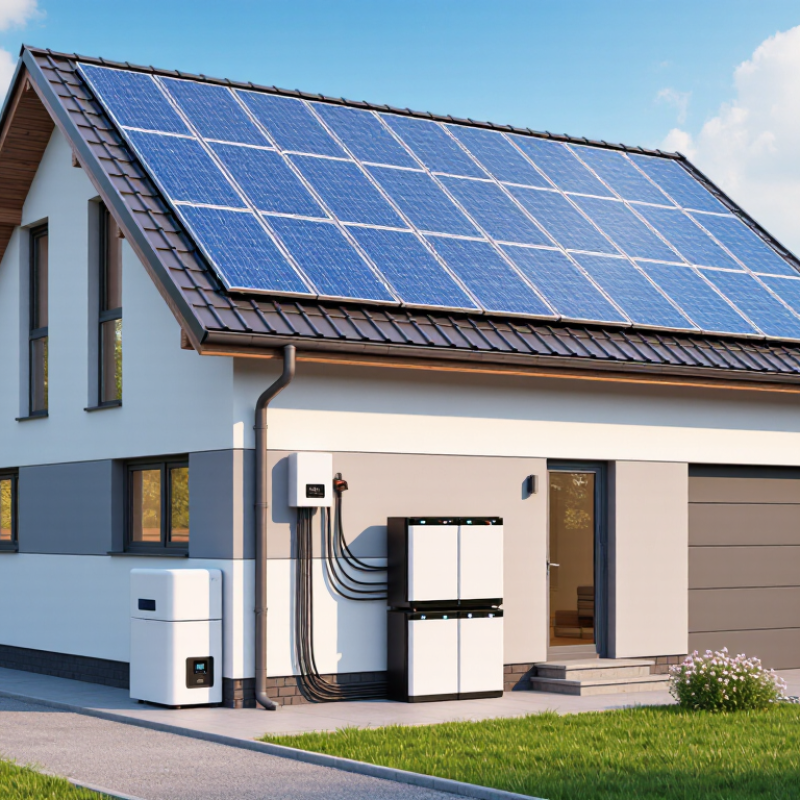
Understanding how solar power systems work makes choosing one much easier. Solar panels capture sunlight and produce direct current electricity. An inverter changes this electricity into alternating current for household appliances. During bright hours, your home uses solar power first. Extra electricity may charge a battery or return to the grid. A grid-tied system suits homes with reliable utility service. A hybrid system adds battery storage for evening use and outages. Off-grid systems require larger batteries and careful energy planning.
System performance depends on more than panel capacity. Roof direction, shading, local weather, and household habits all matter. A shaded chimney can reduce output across several panels. Battery size also affects cost, lifespan, and backup time. In practice, many buyers focus on maximum power but overlook daily consumption. That approach can create an expensive system that still feels insufficient. Professional installers should review recent electricity bills, roof conditions, wiring, and safety requirements before recommending equipment.
Tips: Track your highest-use appliances for one week. Check the roof after 9 a.m. and before sunset. Ask for estimated seasonal production, not just annual figures. Confirm who will inspect the electrical work. Leave space for future battery expansion if your energy needs may grow. Small details matter. Solar systems are not completely maintenance-free, and dust, aging components, or new shade can change results. Recheck your assumptions before signing.
| Solar Power System Type | Typical Residential Size | How It Works | Battery Storage | Typical Annual Energy Yield* | Backup During Grid Outages | Typical Inverter Efficiency | Expected Service Life | Best Suited For |
|---|---|---|---|---|---|---|---|---|
| Grid-Connected Solar System | 4–8 kW | Solar panels convert sunlight into direct current (DC). An inverter changes DC into alternating current (AC) for household appliances. Excess electricity can be exported to the utility grid where local rules allow. | Usually none | Approximately 4.8–12.8 MWh | No. Most systems shut down during an outage for utility-worker safety unless additional backup equipment is installed. | About 95–99% | Panels: 25–30 years Inverter: about 10–15 years |
Homes seeking lower electricity bills with the lowest system complexity. |
| Hybrid Solar-plus-Storage System | 5–10 kW | The panels supply household loads first. Surplus energy charges a battery, and the stored energy can be used at night or during a grid interruption. Remaining energy may be sent to the grid. | 10–20 kWh usable capacity | Approximately 6–16 MWh before storage losses | Yes, if the system includes an automatic transfer function and enough battery capacity. | About 95–99% for the inverter; battery round-trip efficiency commonly 85–95% | Panels: 25–30 years Battery: about 10–15 years Inverter: about 10–15 years |
Homes that want bill savings, evening energy use, and protection from short outages. |
| Off-Grid Solar System | 5–15 kW | Solar panels produce electricity, a charge controller manages battery charging, and an inverter supplies AC power. Batteries provide energy when sunlight is unavailable. A generator may be added for prolonged cloudy periods. | 15–40 kWh usable capacity | Approximately 6–24 MWh before storage losses | Yes, subject to battery charge, system capacity, and energy-management settings. | About 90–97% | Panels: 25–30 years Battery: about 10–15 years Inverter: about 10–15 years |
Remote homes, cabins, agricultural buildings, and locations without reliable grid access. |
| AC-Coupled Solar Battery Retrofit | Existing 3–8 kW solar array plus 10–20 kWh battery | A separate battery inverter is added to an existing grid-connected solar system. Electricity can pass through multiple conversion stages before reaching the battery or household loads. | 10–20 kWh usable capacity | Depends on the existing solar array; commonly 3.6–12.8 MWh | Often yes, when a backup gateway and critical-load panel are included. | About 90–97% system-level conversion efficiency | Existing panels: generally 25–30 years Battery: about 10–15 years |
Existing solar owners who want battery backup without replacing a functioning solar array. |
| DC-Coupled Solar-plus-Storage System | 6–12 kW solar array plus 10–30 kWh battery | Solar panels and batteries connect on the DC side before energy is converted to AC. This can reduce conversion steps and capture some solar energy that would otherwise be clipped by the inverter. | 10–30 kWh usable capacity | Approximately 7.2–19.2 MWh before storage losses | Yes, when the system is designed with an appropriate backup output and transfer equipment. | About 93–98% system-level conversion efficiency | Panels: 25–30 years Battery: about 10–15 years Power electronics: about 10–15 years |
New installations that prioritize efficient battery charging and high self-consumption. |
Related Posts
-
2026 Top Solar Power System Buying Guide for Global Buyers
-

China Top 10 Solar Power System Suppliers for Global Buyers
-
What Is a Solar Power System and How Does It Work?
-
How to Choose Solar Power for Home in 2026?
-
What Is the Best Type of Solar Energy Installation in 2026?
-
Top Residential Solar Systems for Global Buyers