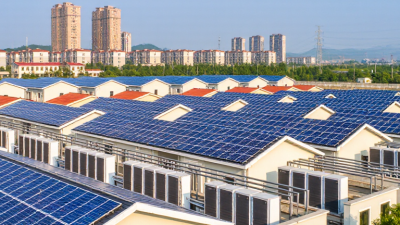
How to Choose the Right Solar Power System
Choosing a solar power system is less about buying the largest panel array and more about matching equipment to real household needs. A family that runs air conditioning through hot afternoons has different priorities from a home that mainly needs lower daytime bills. Start with recent electricity bills, noting monthly usage, peak charges, and seasonal changes. A single sunny weekend is not enough evidence. Look at a full year.
Roof space, shade, and orientation also shape what a system can produce. A chimney shadow crossing two panels may matter more than a small difference in panel ratings. Ask an experienced installer to assess the roof and explain expected production, equipment warranties, and maintenance requirements. Compare estimates using clear assumptions, not just the headline price or promised savings. Those numbers depend on local sunlight, utility rates, and how much electricity you use when the system is generating power. Details matter.
Decide whether battery storage fits your needs, rather than treating it as an automatic upgrade. A battery can provide backup during some outages, but its capacity, cost, and installation details affect its value. Check what appliances it can support and for how long. Then compare system designs, inverter options, and the terms of any financing or service agreement. Read the fine print. It is easy to focus on panel efficiency and overlook installation quality or future service access. No estimate is perfect; even careful projections can miss changes in household routines. The right solar power system is one that fits your roof, budget, energy use, and expectations—with enough transparent evidence to explain why.
Assess Your Household’s Energy Needs
How to Choose the Right Solar Power System
Assess Your Household’s Energy Needs
Start with your electricity bills. Gather twelve months of usage, measured in kilowatt-hours, rather than relying on one recent bill. Record monthly totals in a simple table. Look for summer air-conditioning spikes, winter heating demand, and changes after a new appliance arrives. A cold week can distort the picture.
Separate routine use from occasional heavy loads. Note when major appliances run, especially electric heating, water heaters, and vehicle charging. A home using most of its power after sunset may need a different setup from one with busy daytime usage. That matters. If outages are a concern, list the circuits you would actually want to keep running. A refrigerator, a few lights, and internet equipment are easier to plan for than an entire house.
Estimate future needs too, but be realistic. A planned heat pump or electric vehicle could raise consumption; an uncertain renovation should not dictate the whole system. Check your roof’s shaded areas and orientation, since panels may produce less than a simple household estimate suggests. Keep the raw numbers. Then ask a qualified solar professional to compare your usage with a site-specific production estimate and explain any assumptions. These estimates are not guarantees, and I would question a proposal that treats every month as identical.
Compare Grid-Tied, Off-Grid, and Hybrid Systems
Grid-tied systems connect your panels to the utility network and usually cost less because they need no battery bank. Your home can draw electricity from the grid when panels produce too little, such as after sunset. Excess daytime power may flow back to the grid, depending on local arrangements. One important limitation: standard grid-tied systems usually shut down during an outage, even in bright sunshine, to protect utility workers.
Off-grid systems operate independently, so batteries must cover periods without sun. This can suit remote homes where a utility connection is unavailable or costly. A refrigerator, well pump, and winter heating can use more energy than expected. Size the system for darker months, not just a sunny summer afternoon. Underestimate that demand, and the lights may go out early. Not ideal.
Hybrid systems combine a grid connection with batteries. They can provide backup during outages, but only when designed with suitable equipment and enough stored energy. A small battery may run lights and a router, not every appliance in the house. Compare battery capacity, expected outage length, and the loads you truly need. It is easy to focus on panel output and overlook evening use. That matters. A site assessment and clear household energy records make the choice more reliable.
Estimate Solar Panel and Battery Capacity
Estimate your daily electricity use before comparing equipment. Check utility bills, then list the appliances you expect to run during an outage or off-grid day. A refrigerator, router, lights, and a small pump may use about 3 kilowatt-hours daily, but actual use varies. Small loads add up. Measure key devices when possible, especially equipment that cycles on and off.
To estimate panel capacity, divide daily energy use by peak-sun hours, then allow for system losses. For example, 5 kilowatt-hours per day divided by four sun-hours and 0.8 efficiency gives roughly 1.6 kilowatts of panels. The 0.8 factor is a planning estimate, not a promise. Shade, roof direction, dust, and winter weather can reduce production. Check local solar data, and use the weaker season if year-round reliability matters.
Size the battery around the loads you need to keep running and how long you need backup. If essential loads use 3 kilowatt-hours daily, one day of storage requires more than 3 kilowatt-hours of rated battery capacity. Usable capacity is lower than the label suggests; account for the battery’s recommended discharge limit and inverter losses. Two cloudy days change the calculation considerably. This estimate is still imperfect, and that is worth admitting: real routines often differ from a neat spreadsheet. Keep essential and optional loads separate, then review the numbers with a qualified installer before buying.
Evaluate Site Conditions and Equipment Options
How to Choose the Right Solar Power System
Evaluate Site Conditions and Equipment Options
Start with the site, not the equipment catalog. Observe the roof in the morning, midday, and late afternoon. A chimney’s narrow shadow can cut across several panels, while nearby trees may grow taller over time. Note roof direction, usable area, age, and any repairs already planned. Small details matter. A sunny afternoon alone is not enough to judge a site; seasonal shade and local weather also affect production. Ask a qualified installer to assess roof condition and structural suitability before settling on a system size.
Then compare equipment against your actual needs. An inverter converts panel output for household use, and its capacity should fit the planned array. Battery storage may help when evening demand is high or outages are a concern, but it adds cost and maintenance. Review written estimates for expected annual production, equipment specifications, warranties, and monitoring features. One easy-to-miss detail is how much electricity your household uses after sunset. Check recent bills and note large loads, such as an electric water heater. Estimates remain estimates; real output can differ.
Tips: Photograph roof shadows at several times of day, and keep a simple list of your daily power needs. Compare estimates using the same assumptions. If an option feels confusing, ask what it changes—and what it does not.
Compare Costs, Incentives, and Installer Qualifications
How to Choose the Right Solar Power System
Compare written quotes using the same system size, equipment assumptions, and expected annual output. A lower price may exclude roof repairs, electrical upgrades, monitoring, or battery storage. Check the estimated payback period against your recent utility bills, not a generic example. Incentives can reduce upfront costs, but eligibility and payment timing vary by location and project. Confirm current terms with the relevant public agency or a qualified tax professional. A spreadsheet helps, though estimates can still miss future rate changes.
Tips: Ask each installer for an itemized quote and a production estimate showing shading and roof direction. Small details matter. Request the incentive assumptions in writing, and avoid treating possible rebates as guaranteed savings.
Installer qualifications affect both workmanship and long-term support. Verify relevant licenses, insurance, and experience with roofs similar to yours. Ask who handles permits, inspections, and repairs if a problem appears after installation. Request references from recent customers, then ask whether the project finished on schedule and matched its estimate. Ask for warranty terms in plain language. A polished proposal is not proof of careful work. Even a thorough comparison can overlook a detail, so keep copies of promises and questions before signing.
How to Choose the Right Solar Power System - Compare Costs, Incentives, and Installer Qualifications
Cost guide: Illustrative U.S. residential estimates in U.S. dollars, before incentives. Actual prices vary by location, roof, equipment, labor, and permitting.
| System option |
Typical size |
Typical installed cost before incentives |
Best suited for |
Incentives and utility considerations |
Installer checks |
| Smaller grid-connected system |
5–6 kW |
About $12,500–$21,000 |
Homes with lower electricity use or limited suitable roof area. |
Check local export-compensation rules and whether the utility requires an interconnection application or meter changes. |
Confirm electrical and building permits, roof suitability, and a written estimate showing system size and expected production. |
| Mid-size grid-connected system |
8–10 kW |
About $20,000–$35,000 |
Homes with moderate to higher electricity use and enough unshaded roof space. |
In the U.S., eligible residential clean-energy expenses may qualify for a federal tax credit; verify current IRS rules and state or local programs. |
Compare production estimates, equipment specifications, workmanship coverage, and the installer’s license and insurance. |
| Solar plus battery storage |
Typically 5–10 kW solar plus 10–15 kWh storage |
Solar-system cost above, plus roughly $8,000–$18,000 for a residential battery installation |
Households seeking backup power or greater use of their own solar electricity after sunset. |
Battery incentives and eligibility vary. Confirm permitted battery location, utility rules, and which household circuits will receive backup power. |
Ask for usable battery capacity, backup-power limits, warranty terms, and a clear explanation of outage operation. |
| Off-grid solar with storage |
Designed around the site’s loads; often includes substantial battery storage |
Highly site-specific; commonly costs more than a comparable grid-connected system because of storage and backup equipment. |
Properties without practical grid access or owners who specifically need an independent power system. |
Do not assume grid-connected incentives or utility arrangements apply. Verify local building, electrical, and land-use requirements. |
Require a documented load assessment, seasonal production analysis, battery sizing rationale, and backup-generator plan if applicable. |
Installer qualification checklist
- Verify required state or local contractor and electrical licenses, plus current liability and workers’ compensation insurance.
- Ask whether the design and installation team holds relevant training or credentials, such as NABCEP certification; treat credentials as one check, not a substitute for licensing.
- Request a site-specific production estimate, itemized price, equipment specifications, permit plan, and project schedule.
- Compare workmanship, roof-penetration, equipment, and performance warranty terms, including who handles service claims.
- Check recent references and complaint history, and read the contract carefully for payment milestones, exclusions, and cancellation terms.
Note: Cost ranges are broad planning estimates, not quotes. Solar savings depend on electricity use, system output, utility rates, financing, and local compensation rules. Incentive availability and tax treatment can change; confirm details with the relevant government agencies and a qualified tax professional.