4560 Eastgate Pkwy

Mississauga, ON.

1-888-331-3305

416-559-SOLR (7657)

What Are the Top Solar Panel Manufacturers in China?

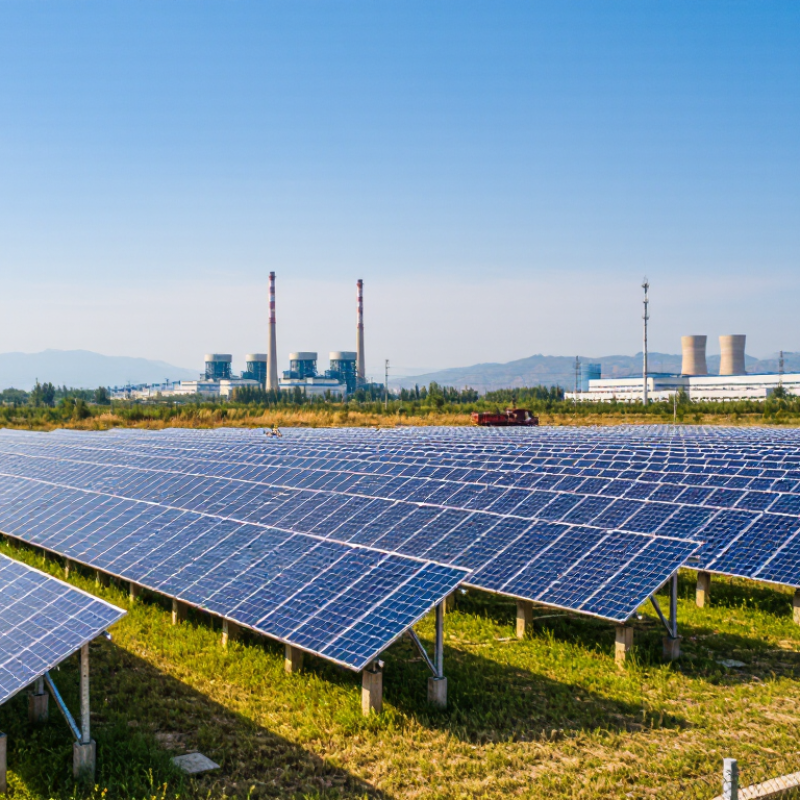
China is a major force in the global solar industry, with manufacturers supplying modules to utility projects, businesses, and homes. Names such as JinkoSolar, LONGi, Trina Solar, and JA Solar frequently appear in market discussions. Still, “top” depends on what a buyer needs. A company’s reputation alone cannot predict how a specific panel will perform. Small details matter.

A careful comparison should look beyond headline wattage. Check rated output, module efficiency, temperature performance, and product and performance warranty terms. Review the technical datasheet for the exact model, not just the brand’s general claims. Independent test results and certification records can add useful context. A long warranty sounds reassuring. Read the exclusions. Manufacturing scale and international distribution may also matter, especially when replacement parts or technical support are needed. Big production numbers, though, do not guarantee the right fit for every project.

This guide introduces leading Chinese solar panel manufacturers and the factors that distinguish their products. It considers technology, production capacity, reliability indicators, and support, while recognizing that offerings change over time. No single ranking suits every buyer. Specifications change. A panel that works well on a large, open site may not suit a shaded rooftop or a tight budget. Compare current datasheets, warranty documents, and installer advice before making a decision. The process takes patience, and the available information can be uneven. That is worth acknowledging.
What Are the Top Solar Panel Manufacturers in China?

Understanding China’s Solar Panel Manufacturing Industry

What Are the Top Solar Panel Manufacturers in China?

China’s solar manufacturing industry is built around dense industrial clusters. A single region may host suppliers for silicon materials, wafers, solar cells, glass, frames, and finished modules. This proximity can shorten transport times and help factories coordinate production. Scale matters. Yet not every manufacturer controls every stage, so a large output figure alone reveals little about supply-chain resilience.

Inside a module plant, automated lines place cells, connect them with thin metal ribbons, and seal the layers beneath glass. Workers still inspect corners, solder joints, and surface defects. Details matter. Buyers assessing production quality should look beyond advertised power ratings. Consistent test records, traceable components, and clear warranty terms can help distinguish dependable output from impressive marketing. Factory visits and independent inspections offer useful evidence, though one visit cannot capture every production shift.

The industry also faces practical pressures. New equipment can raise efficiency, but it requires skilled technicians, stable electricity, and careful process control. Rapid expansion may leave some facilities underused when demand shifts. That part is easy to overlook. Lower prices benefit buyers, but unusually cheap offers deserve closer review of materials, testing, and delivery conditions. Manufacturing strength is not just about how many panels leave a factory; it also depends on whether quality remains steady from one production batch to the next.

China’s Share of Global Solar PV Manufacturing Capacity

Estimated share by supply-chain stage, 2021

China held the largest share of global manufacturing capacity across every stage shown, especially in ingots and wafers. Capacity share indicates manufacturing capability, not actual production or market share.

Source: International Energy Agency (IEA), Solar PV Global Supply Chains (2022); 2021 estimates.

Criteria for Identifying Leading Solar Panel Manufacturers

The best way to compare Chinese solar panel manufacturers is to examine evidence, not slogans. IRENA’s Renewable Capacity Statistics 2024 records 216.9 GW of solar capacity added in China during 2023. The IEA’s 2022 report on solar PV supply chains estimates that China held over 80% of global manufacturing capacity across key stages. This scale makes supplier-level checks essential.

Compare independently verified production capacity with actual shipments; a factory’s nameplate figure alone can mislead. Review module efficiency, temperature performance, and power degradation over time. Check whether product certifications come from accredited testing, and examine warranty terms for clear performance commitments. Ask for factory audit records and traceable quality-control data, such as cell inspection results. Also assess financial stability, delivery history, and local technical support. A strong specification sheet is useful, but it cannot replace evidence from field performance. Comparisons remain imperfect when manufacturers report figures using different methods.

Tips: Request recent third-party test reports and warranty documents. Check the fine print. Then compare like with like.

What Are the Top Solar Panel Manufacturers in China? — Criteria for Identifying Leading Solar Panel Manufacturers

Evaluation Criterion What to Check Reliable Evidence Why It Matters
Module performance Rated power, module efficiency, temperature coefficient, and performance under low-light conditions. Current technical datasheets, test conditions, and independent test reports for the exact module model. Comparable test data helps buyers assess energy yield and suitability for the project site.
Product qualification and safety Whether the specific module model has relevant design-qualification and safety certifications. Valid certificates and test reports referencing IEC 61215 for module design qualification and IEC 61730 for safety qualification. Confirm the model and factory scope. These standards address module performance qualification and safety; certificates should be checked for scope and validity.
Manufacturing quality system Documented production controls, inspection procedures, corrective actions, and factory-level quality management. Factory audit results and applicable quality-system documentation, such as ISO 9001 or IEC 62941 certification. Consistent processes and traceable records help reduce variation between modules and production batches.
Production capacity and delivery Operational capacity by technology and product type, actual output, lead times, and delivery performance. Recent audited disclosures, factory information, production records, and project-specific delivery references. Announced nameplate capacity alone does not show actual output or the ability to meet a project schedule.
Warranty terms Separate product-defect and power-performance warranties; exclusions, claim process, and remedies. Written warranty documents for the exact module, including the degradation schedule and responsible legal entity. Warranty periods and conditions vary. Clear, enforceable terms matter more than headline duration alone.
Long-term reliability Evidence from durability testing, field performance, failure analysis, and product design changes. Independent test results, documented quality investigations, and verifiable operating-project references. Field and test evidence can help buyers evaluate performance risks over the system’s expected service life.
Financial and service capability Financial resilience, warranty-claim support, spare-parts arrangements, and availability of technical assistance. Audited financial statements where available, documented service contacts, and references from completed projects. Long-term support and the ability to honor contractual obligations are important throughout a project’s life.
Environmental management Factory environmental controls, energy and resource management, and responsible handling of production waste. Facility-level environmental documentation, applicable permits, and independently verified management-system records, such as ISO 14001. Facility-specific evidence gives buyers a clearer view of environmental management than broad marketing claims.

Assessment note: Use these criteria to compare manufacturers and specific module models. Certifications, warranty terms, factory capability, and performance data should be verified for the product and production site under consideration.

Major Solar Panel Manufacturers in China

China’s major solar panel manufacturers span large integrated factories and more specialised producers. Many make cells and modules in addition to sourcing glass, frames, and other components. This scale can support steady production and competitive pricing, but it does not guarantee identical quality across product lines. Rankings also shift as capacity, technology, and market demand change.

Scale matters. So does consistency.

For buyers, compare module efficiency, power warranties, degradation rates, and independent test reports rather than relying on a company’s size alone. Ask how production batches are inspected and whether the stated performance applies to the exact model being quoted. A factory audit can reveal practical details: clean work areas, traceable serial numbers, and documented quality checks. That sounds simple, but it isn’t. Public information may be incomplete, and a polished specification sheet cannot show every production weakness. Compare several suppliers, verify certificates with the issuing bodies, and request recent shipment references where appropriate. The strongest choice is usually the one that can explain its data clearly and support the product after delivery.

Key Technologies and Products Offered by These Manufacturers

China’s major solar manufacturers differentiate themselves through cell architecture, module design, and production scale. The International Energy Agency’s 2022 report, Solar PV Global Supply Chains, found that China held more than 80% of global manufacturing capacity across key solar supply-chain stages. Its share exceeded 95% for polysilicon, ingots, and wafers. This industrial base supports large product ranges, from standard rooftop modules to high-output utility panels.

Many manufacturers now offer n-type TOPCon modules, alongside heterojunction and back-contact designs. These products commonly use bifacial glass, half-cut cells, and multi-busbar layouts to improve energy capture and limit resistive losses. TOPCon’s appeal is practical: it can deliver higher efficiency than older PERC designs while using familiar production processes.

Small details matter. Frame strength, cell spacing, and connector quality affect installation and long-term performance.

A datasheet can look clean; field results are less tidy. Module efficiency alone does not show how a product handles heat, shading, or mechanical stress. The IEA’s capacity figures describe manufacturing concentration, not the quality of every panel. Buyers should compare certified power ratings, temperature coefficients, degradation warranties, and independent test results. Specifications can vary between product series, even within one manufacturer’s catalog.

China’s Role in the Global Solar Panel Market

China’s Role in the Global Solar Panel Market

China is a central force in solar panel manufacturing, with production spanning silicon wafers, solar cells, and finished modules. This concentration gives manufacturers access to nearby suppliers, skilled labor, and large factory networks. It can shorten production cycles and support high-volume orders.

Scale matters. Yet factories are only part of the story. Domestic solar installations also create demand, helping producers test products and refine manufacturing processes before shipping panels abroad.

For buyers, China’s role can mean broad product availability and competitive pricing. It also makes global supply chains more exposed to disruptions in shipping, materials, or factory operations. A low purchase price alone says little about performance over twenty years.

Buyers should compare independent test results, product warranties, production traceability, and the supplier’s ability to provide replacement parts. Not always easy.

Manufacturing capacity can grow faster than quality-control practices, and that deserves scrutiny. As production methods improve, energy use and material recovery remain important questions. China’s influence is substantial, but a resilient solar market depends on transparent suppliers and diversified sources, too.