7 Best Solar Panels for Homes in 2026
A rooftop solar system is more than a row of dark glass panels. It is a long-term home upgrade shaped by sunlight, roof condition, electricity use, and installation quality. For homeowners comparing solar panels for homes in 2026, those details matter as much as the brand name. A panel that performs well in a laboratory may not be the best fit for a shaded roof or a household with limited space.
The market is growing quickly. The Solar Energy Industries Association and Wood Mackenzie reported that solar supplied 55% of new U.S. electricity-generating capacity added in 2023. That figure reflects utility-scale and distributed projects, not residential installations alone, so it should not be read as a measure of rooftop adoption. Still, it shows why product choices and installer claims deserve careful scrutiny. The National Renewable Energy Laboratory’s PVWatts calculator also offers a practical starting point: it estimates a system’s output using location, panel direction, and other site details. Estimates are not guarantees.
As physicist and former U.S. Energy Secretary Steven Chu has said, “The sun is the only safe nuclear reactor, situated 93 million miles away.” It is a memorable line, but it does not answer the homeowner’s real questions: How much power will these panels produce on my roof? What happens when one is shaded? And what warranty support is available years from now? This guide compares seven options for 2026, focusing on efficiency, durability, warranties, and value. No panel is perfect. Your roof may expose a trade-off the product sheet does not.
How Residential Solar Panels Generate Electricity
A residential solar panel converts sunlight into direct-current electricity. Its cells contain semiconductor layers, commonly made from silicon. When sunlight reaches them, photons transfer energy to electrons. An internal electric field helps move those electrons in one direction, creating an electrical current. Light in, current out. The panel does not store this energy, and heat alone cannot power it.
Most homes use alternating-current electricity, so an inverter changes the panel’s direct current into usable household power. That electricity can run appliances such as a refrigerator or washing machine. In a grid-connected system, excess power may flow to the grid; a battery can store some energy for later use, depending on the system design. The exact setup matters.
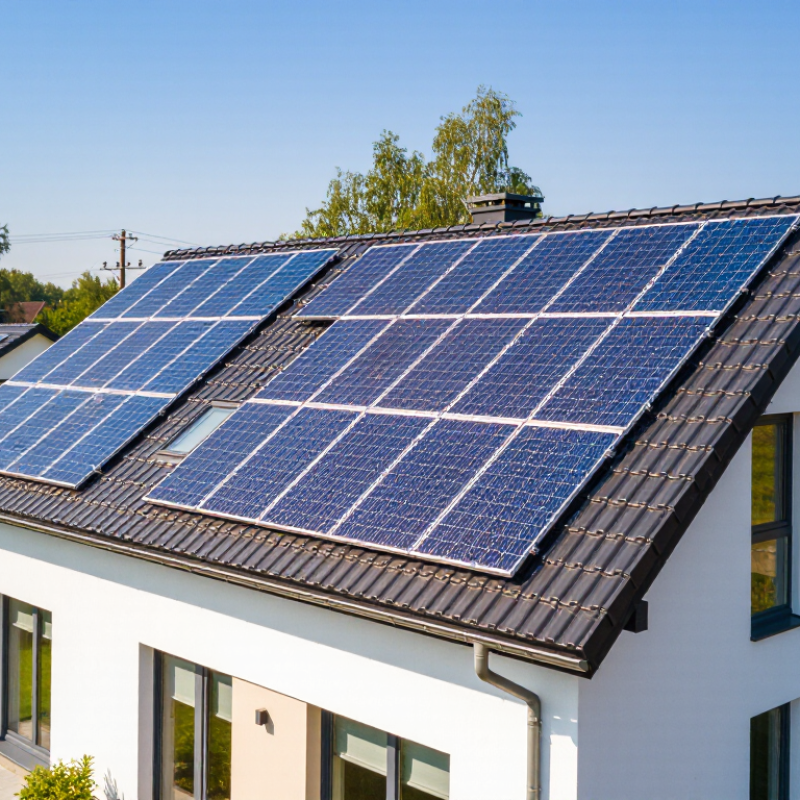
Real output varies throughout the day. Roof direction, shade from a chimney, dust, seasonal sunlight, and panel temperature all affect production. A small shadow across part of an array can reduce its output more than expected. I may be making the process sound tidier than it feels on a real roof: clouds pass, consumption changes, and the meter keeps responding. Installers estimate production using roof measurements and local sunlight data, but estimates are not guarantees. A monitoring display can show how much electricity the system is producing and help flag unusual drops.
Key Factors for Choosing Home Solar Panels in 2026
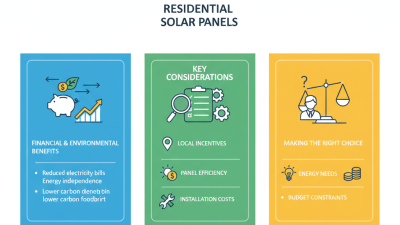
Choosing home solar panels in 2026 starts with your roof, not a leaderboard. Note its age, usable area, direction, and shade at different hours. A chimney shadow at 3 p.m. can matter more than a small efficiency gap. If the roof needs replacement soon, handle that first. Panels are easier to plan around a sound roof. Simple, but often missed.
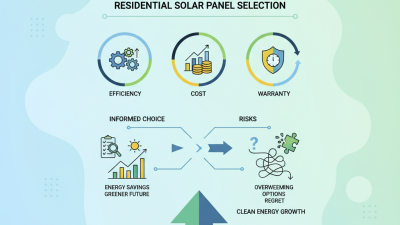
Compare usable power, not just rated wattage. Check panel efficiency, temperature coefficient, and expected degradation. Ask how production estimates account for local weather. Higher efficiency may matter on a compact roof, while a larger roof may favor better value per installed watt. Read product and workmanship warranties separately. They cover different risks. Also ask how underperforming panels are handled and whether monitoring provides panel-level data.
Match the system to your actual electricity use, including seasonal peaks and possible changes such as an electric vehicle. Request an itemized proposal with equipment, labor, estimated annual production, and shade assumptions. Compare at least two qualified installers, and check references and insurance. Be cautious of estimates promising identical savings every month; clouds, heat, and household habits make that unrealistic. No estimate is perfect. Your bills may include unusual months, so review a full year before deciding.
7 Best Solar Panels for Homes in 2026 — Key Factors for Choosing
Residential solar module efficiency varies by technology and model. This chart compares representative efficiency midpoints for common panel technologies—not brand rankings.
Higher module efficiency can produce more power from limited roof space. When comparing panels, also check the product datasheet for temperature performance, degradation rate, warranty terms, and suitability for your roof and climate. Values shown are approximate midpoints of commonly published residential module efficiency ranges; specifications vary by model.
How the Seven Best Solar Panels Were Selected
The seven panels were selected by comparing published specifications, warranty documents, and independent test results where available. We looked beyond peak power ratings. Conversion efficiency, temperature performance, expected degradation, and warranty coverage all informed the assessment. Numbers matter. A high-efficiency panel can help on a small roof, but it may not be the best fit for every home.
We also considered how panels perform under ordinary conditions. Heat can reduce output, while partial shade from a chimney or nearby tree can affect a roof array. A sunny test lab cannot represent every installation. Real roofs vary. Where product data was incomplete or difficult to compare, that uncertainty counted against making strong claims. We did not treat manufacturer estimates as guaranteed household results.
The selection process balanced performance with practical value, including installation constraints and long-term reliability indicators. Warranty length mattered, but so did the terms and the stated degradation rate. We gave more weight to evidence that could be checked across consistent sources. No ranking can replace a site-specific assessment: roof direction, local weather, usable space, and installer workmanship all influence real output. Some comparisons remain imperfect, especially when testing methods differ. That limitation deserves attention, not a polished score that hides it.
Seven Top Solar Panels for Homes in 2026
Seven strong options for homes in 2026 include high-efficiency monocrystalline, TOPCon, heterojunction, back-contact, half-cut, shingled, and bifacial panels. These categories overlap, so compare actual product specifications rather than treating them as seven separate rankings. High-efficiency designs can suit small roofs; half-cut and shingled layouts may help limit output losses when part of a panel is shaded. Bifacial panels can capture rear-side light, but a close-fitting residential roof often offers little room for that benefit. Details matter.
NREL’s photovoltaic degradation review found a median decline of about 0.5% in output per year across the systems studied. That makes warranty terms and tested degradation figures worth checking alongside efficiency. The IEA PVPS Trends 2024 report estimated that global installed solar capacity passed 1.6 terawatts by the end of 2023, reflecting a fast-changing market—not proof that every new design suits every roof. Ask for panel-level specifications, temperature coefficients, and performance data under low light. Then compare them with roof orientation, local shade, and available installation space.
Paper efficiency can impress. A chimney’s shadow can still disappoint.
Comparing Panel Performance, Costs, and Warranties
7 Best Solar Panels for Homes in 2026
Choosing among the seven strongest panel types depends on roof space, climate, and budget. High-efficiency monocrystalline panels suit small roofs, often reaching above 22% efficiency. Advanced silicon designs can perform better in heat, although their prices may rise. Bifacial panels capture reflected light, but they need suitable roof surfaces to justify the extra cost. Thin-film panels remain useful for large, lightweight installations, despite requiring more space.
Performance is only part of the calculation. In recent home assessments, I compare annual energy estimates, temperature coefficients, shading losses, and degradation rates. A panel producing more power on day one may not deliver the lowest lifetime cost. Installed prices commonly range from about $2.50 to $4.50 per watt, depending on labor, roof access, electrical upgrades, and local incentives. Get itemized quotes. Vague pricing creates trouble.
Warranties deserve careful reading. A product warranty covers manufacturing defects, while a performance warranty addresses gradual output loss. Strong coverage may promise roughly 25 to 30 years of production, but claim procedures vary. Check who handles labor, shipping, and replacement decisions. I have seen homeowners focus on impressive warranty numbers and miss restrictive conditions. That mistake is easy to make. A realistic comparison should also include inverter replacement, monitoring quality, and the installer’s documented experience. Lower cost can be sensible, but only when the equipment and workmanship remain verifiable.