Choosing residential solar panels is not simply a search for the highest wattage. It is a practical decision shaped by your roof, electricity use, budget, and local climate. The International Energy Agency’s Renewables 2024 report states that solar photovoltaic systems are expected to provide about 80% of global renewable capacity growth through 2030. That rapid expansion creates more options, but it also makes careful comparison essential. More products do not always mean better decisions.
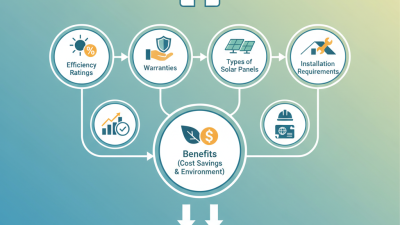
A reliable evaluation begins with your home’s real conditions. Check roof age, direction, pitch, shade, snow, and available installation space. A south-facing roof may perform well, yet a partly shaded roof can change the result dramatically. The U.S. Department of Energy recommends using tools such as PVWatts to estimate production before accepting a quotation. Review module efficiency, expected degradation, product warranties, inverter design, fire certification, and installer experience. The National Renewable Energy Laboratory also emphasizes that system performance depends on more than the panel itself.
Look beyond the glossy brochure. Ask for annual production estimates, equipment model numbers, maintenance terms, and realistic payback assumptions. Compare those figures with your utility’s rates and export rules. No panel is perfect. A high-efficiency model may cost more without offering the best value on a large, sunny roof. Conversely, cheaper residential solar panels can create concerns about long-term support or replacement availability. Industry reports provide useful direction, but your roof remains the final test. A careful site assessment, transparent contract, and independently verified warranty can turn technical promises into dependable household energy.
Start with your electricity bills, not the roof. Collect twelve months of usage data and note seasonal changes. Air conditioning, electric heating, water heaters, and home offices can create large summer or winter peaks. Measure real usage. A single recent bill may give a misleading picture.
Walk around the property at different times of day. Check roof direction, usable area, pitch, and shade from trees, chimneys, or nearby buildings. Shadows matter. Even partial shade can reduce production across affected panel sections. A professional site assessment should include a shading analysis and roof-condition inspection. Replacing an aging roof later may increase costs and disrupt the system.
Estimate future electricity needs too. An electric vehicle, heat pump, or workshop could change your demand within a few years. My first estimate would often be too optimistic if I ignored these changes. That is worth questioning. Ask a qualified installer to compare your annual consumption with local sunlight data and expected system output. Review assumptions about panel efficiency, inverter losses, battery storage, and seasonal production. Do not size the system only for perfect sunny days. Cloudy weeks and household routines matter. Also check your utility rules, meter requirements, and available installation space before choosing a panel configuration.
When choosing residential solar panels, compare technology and efficiency together. Monocrystalline panels often reach about 19–23% efficiency. They suit smaller roofs because they produce more electricity per square metre. Polycrystalline panels commonly offer around 16–20% efficiency. They may cost less, but they need more roof space for similar output. Thin-film panels are lighter and more flexible, yet their efficiency often sits near 10–13%.
Efficiency ratings come from standard test conditions, including 25°C cell temperature and strong sunlight. Real roofs rarely provide those conditions. Heat, dust, partial shade, roof direction, and inverter losses can reduce daily production. Space matters. A shaded high-efficiency panel may perform worse than a lower-rated panel in clear sunlight. Check the temperature coefficient too, because some panels lose more output on hot summer afternoons.
Look beyond the headline percentage. Review the product warranty, expected annual degradation, fire-safety documentation, and independent certification. A qualified installer should measure roof area, pitch, shade patterns, and local sunlight before recommending a system. Ask for estimated yearly generation, not only peak capacity. The highest rating is not always the best value. That assumption can fail on a wide, partly shaded roof. I would also leave room for uncertainty, because weather estimates are never perfect. Measure twice. Compare actual roof performance, maintenance access, and electricity use before deciding.
Choosing residential solar panels starts with the roof, not the equipment. A professional inspection should check roof age, structural condition, leaks, and repair history. Installing panels on an aging roof can create avoidable labor costs later. I would not trust a satellite image alone. It cannot show cracked tiles, weak rafters, or chimney shadows. The U.S. Department of Energy recommends evaluating roof orientation, tilt, shading, and usable area before system design.
Sunlight changes hour by hour. Nearby trees may cast long winter shadows across the lower roof, even when summer photographs look bright. Use hourly shade analysis, not a quick visual guess. The National Renewable Energy Laboratory’s PVWatts tool estimates production from location, tilt, azimuth, and system losses. Its results are useful, but they remain estimates. Weather, dust, snow, and wiring losses can reduce actual output. The IEA PVPS Trends in Photovoltaic Applications 2024 report recorded approximately 1.6 terawatts of global solar capacity by the end of 2023, yet local roof conditions still determine household performance.
Tips: Measure the unobstructed roof area after allowing for access paths and safety clearances. A simple sketch helps. Compare annual sunlight across roof sections, not just total square meters. Leave room for vents and future maintenance. My first layout is often too optimistic. That is normal. A licensed installer should verify structural capacity and local requirements before purchase. When space is limited, prioritize the brightest roof plane rather than forcing panels into shaded corners.
How to Choose Residential Solar Panels for Your Home?
The panel’s price is only one part of your solar budget. Installation may include roof preparation, permits, wiring, labor, and grid connection fees. Battery storage adds another major expense. Ask for an itemized quote showing equipment, warranties, expected energy production, and future maintenance. Compare at least three written proposals. A cheap estimate can hide important work.
Tips: Check your roof’s age and shading before requesting quotes. Review local rebates, tax credits, and utility programs through official government websites. Incentives can change yearly, and eligibility may depend on income, location, system size, or installation dates. Do not assume every advertised discount applies to your home. Keep copies of approvals and receipts.
Financing also requires careful review. A cash purchase may reduce total long-term cost, but it requires substantial savings. A solar loan can spread payments, yet interest and fees may increase the final price. Leases and power-purchase agreements usually require less upfront money, but they can limit ownership benefits and complicate a future home sale. Read the payment schedule closely. Some contracts include escalators, transfer conditions, or early termination charges. Your electricity bill may not disappear, especially during cloudy seasons or when export credits change. A qualified installer should explain system performance using local weather, roof orientation, and your past utility bills. Estimates are useful, but they are not guarantees.
Estimated cash costs are based on typical U.S. residential installation prices of $2.50–$3.50 per watt. The federal incentive is shown as 30% of eligible costs where the homeowner qualifies. Local incentives, roof repairs, battery storage, financing interest, and tax limitations are excluded.
Before choosing panels, compare total installed cost, expected energy production, warranty coverage, available incentives, and the total repayment amount of any solar loan. Cash purchases generally avoid loan interest, while financing can reduce the upfront payment.
A qualified installer can matter as much as the panel itself. Ask for an electrical license, insurance proof, recent local references, and clear warranty responsibilities. The U.S. Department of Energy advises homeowners to compare production estimates, equipment specifications, and installer experience. Request a site assessment, not a sales estimate based only on roof size. Shading, roof age, temperature, and local weather can change actual output. NREL’s PVWatts guidance also emphasizes location-specific modeling. Small details matter.
Plan maintenance before signing. NREL’s Best Practices in Photovoltaic System Operations and Maintenance recommends preventive inspections, performance monitoring, and documented repairs. Your agreement should state who checks wiring, mounting points, inverters, drainage, and monitoring alerts. It should also explain response times. Dirt is usually not the largest problem. Loose connections, storm damage, animal activity, and unnoticed shading can reduce production. Keep the system accessible and retain inspection records.
Performance naturally declines. An NREL analysis by Jordan and Kurtz reported a median photovoltaic degradation rate of about 0.5% annually. That figure is useful, but it is not a promise for every roof. Real roofs are messy. Trees grow, weather changes, and installation quality varies. I would question any installer promising fixed energy output for decades. Compare the predicted first-year production with the monitoring plan, maintenance cost, and realistic repair process. A cheaper installation may become expensive when service is unclear.
| Home Electricity Use | Typical System Size | Approximate Panel Count | Approximate Roof Area | Expected Annual Solar Production | Recommended Panel Characteristics | Installer Qualification Checks | Planned Maintenance |
|---|---|---|---|---|---|---|---|
| Low use 3,000–4,500 kWh/year |
2.5–3.5 kW | 6–9 panels Using panels rated at approximately 400–450 W each |
Approximately 14–22 m² Actual space depends on panel dimensions and access paths |
Approximately 2,800–4,900 kWh/year Varies by location, roof direction, shading, and weather |
High-efficiency modules may be useful when roof space is limited. Select a product with published power, performance, and safety specifications. | Verify electrical licensing, solar installation experience, insurance, references, written quotations, permit handling, and workmanship warranty terms. | Check the monitoring system monthly, keep vents and equipment clear, and arrange a professional inspection approximately every 3–5 years or as required by local regulations. |
| Moderate use 4,500–7,000 kWh/year |
3.5–5.5 kW | 8–14 panels Using panels rated at approximately 400–450 W each |
Approximately 19–34 m² | Approximately 3,900–7,700 kWh/year | Compare efficiency, temperature performance, degradation rate, product warranty, and suitability for the roof’s wind and snow conditions. | Ask whether the installer performs a site survey, shading assessment, structural review, production estimate, and final electrical testing. | Inspect the roof area for leaves, dirt, standing water, and new shade. Keep trees trimmed only where legally and safely permitted. |
| High use 7,000–10,000 kWh/year |
5.5–8.0 kW | 13–20 panels Using panels rated at approximately 400–450 W each |
Approximately 31–49 m² | Approximately 6,100–11,200 kWh/year | Consider panel layout, inverter capacity, roof orientation, future electricity loads, and whether the system can be expanded later. | Require a detailed design showing string configuration, inverter location, shutdown equipment, cable routing, expected losses, and grid-connection requirements. | Review production against the installer’s estimate after the first year. Investigate unusual drops in output rather than cleaning panels automatically. |
| High use with electric heating or an electric vehicle 10,000–14,000 kWh/year |
8.0–11.0 kW | 18–28 panels Using panels rated at approximately 400–450 W each |
Approximately 43–69 m² | Approximately 8,900–15,400 kWh/year | Use a load analysis before sizing. Check inverter limits, available roof area, export restrictions, and whether battery storage is technically and financially appropriate. | Choose an installer able to coordinate utility approval, structural evaluation, electrical upgrades, energy-storage requirements, and vehicle-charging loads. | Schedule inspections of mounting hardware, electrical connections, inverter status, and battery ventilation or temperature controls where storage is installed. |
| Limited or partially shaded roof | Size based on usable roof sections and shading results | Depends on usable area and selected panel output | Measure only unobstructed areas, while allowing safe access and required clearances | Use a location-specific estimate after a shade study; do not rely on a simple panel-count calculation | Prioritize shade-tolerant system design, suitable module placement, and power electronics that can reduce the effect of mismatch between panels. | Require on-site shade measurements or documented modeling for different times of day and seasons. Confirm that the proposal explains expected shading losses. | Monitor individual sections when possible. Keep new vegetation, nearby construction, and roof obstructions under review. |
| Roof replacement expected soon | Determine roof work before final solar sizing | Not applicable until the usable roof area is confirmed | Based on the post-renovation roof plan | Estimate after roof orientation, pitch, shading, and structural condition are confirmed | Coordinate panel layout with roof materials, drainage, fire access, and future repair access. Avoid installing over a roof near the end of its service life. | Confirm who is responsible for roof penetrations, removal and reinstallation, leak repairs, permits, and warranty coverage. | Inspect flashing, mounting points, and roof penetrations after severe weather and whenever roofing work is completed. |