Who Are the Top Solar Installation Companies in China?
China’s solar market is vast, but “top” can mean different things. Some buyers need a rooftop solar installation; others need a partner for a utility-scale project. Manufacturers such as LONGi, JinkoSolar, JA Solar, and Trina Solar influence equipment supply. Engineering and construction companies play a different role. The distinction matters.
The International Energy Agency’s executive director, Fatih Birol, described the sector’s momentum: “Solar is the new king of electricity markets around the world.” That observation captures the opportunity, not a guarantee of quality. A strong company must also design for local conditions, manage construction carefully, and provide dependable service after commissioning. Look beyond panel output. Ask about warranties, monitoring, installation experience, and how the company handles maintenance.
This overview examines Chinese companies by their roles, capabilities, and public track records, rather than presenting one universal ranking. A large manufacturer is not automatically the best installer. Nor does a polished project photo prove long-term performance. Buyers should compare quotations, system designs, service terms, and references from completed projects. Details matter: roof structure, seasonal weather, grid access, and the installer’s response when an inverter stops reporting. Some information may be difficult to verify across companies, so rankings should be treated as a starting point, not a final verdict. There is no perfect shortlist.
Overview of China's Solar Installation Industry
Who Are the Top Solar Installation Companies in China?
Overview of China’s Solar Installation Industry
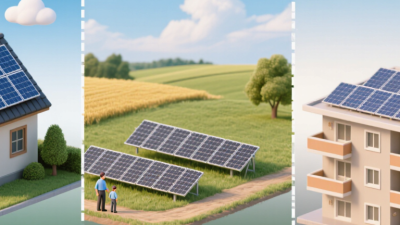
China’s solar installation industry spans utility-scale power stations, commercial rooftops, and smaller distributed systems. Installers coordinate site surveys, structural checks, electrical design, equipment delivery, and grid connection. Their work differs from panel manufacturing. A well-built system depends on careful planning, not just high module output. It is not uniform. Local sunlight, roof conditions, labor availability, and provincial grid procedures can all affect a project’s schedule and performance.
For commercial sites, installers may inspect roof load capacity, shading, cable routes, and daytime electricity use before proposing a layout. Utility projects require additional land, grid-access, and construction planning. Performance estimates should state their assumptions, including weather data and expected system losses. Actual output can differ. Even experienced teams can overlook a small obstruction or underestimate maintenance access; those details deserve a second review. Buyers should ask for documented design calculations, clear commissioning records, and a realistic plan for monitoring faults after handover.
Tips: Compare proposals by usable system output, safety provisions, warranty responsibilities, and service response—not panel count alone. Confirm local grid requirements early. Small details matter.
Major Solar Installation Companies in China
China’s major solar installation companies work across utility-scale farms, commercial rooftops, and distributed projects. They are not all the same. Some focus on engineering, procurement, and construction, while others specialize in regional installation or long-term operations. A firm experienced with factory roofs may not be suited to a large desert site.
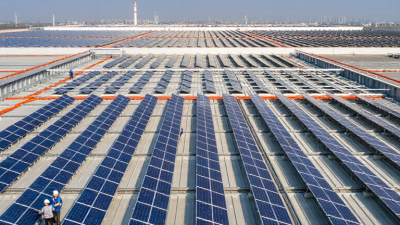
Large contractors coordinate design teams, equipment supply, civil works, electrical installation, testing, and handover. At a solar farm, crews may install thousands of mounting structures across uneven ground. On a factory roof, structural load checks, fire access, and production schedules matter more. Reliable teams record cable routes, fastening checks, insulation tests, and commissioning results. The details matter.
Scale alone does not prove quality. Buyers can compare completed projects of similar size, safety procedures, service response times, and performance terms. Coastal humidity, dust, snow, and limited grid capacity can all affect system design. Some proposals make maintenance look too easy. That deserves a closer look. Ask who monitors output, replaces failed components, and responds when readings fall below expectations. An independent technical review can help assess those assumptions before construction begins.
Services and Project Types Offered by Leading Providers
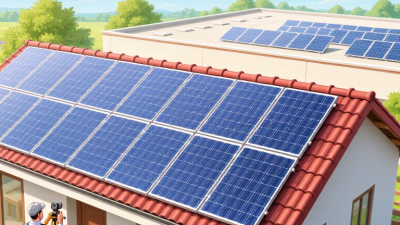
Leading solar installation providers in China often serve several project types, from household rooftops to large ground-mounted plants. Their services may include site surveys, system design, equipment sourcing, installation, grid connection, and ongoing maintenance. On a home, crews might check roof direction, shade from nearby buildings, and space for an inverter before planning panel placement.
Commercial projects require different checks. Warehouses and factories may need structural assessments, wind-load calculations, and layouts that preserve access for roof repairs. Details matter.
Some providers also design battery storage systems for sites that need backup power or want to manage electricity use across the day. Performance depends on local conditions, not just panel capacity.
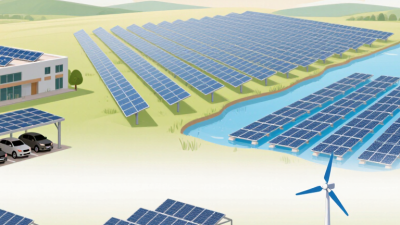
Utility-scale projects involve land evaluation, drainage planning, electrical infrastructure, and coordination during commissioning. After installation, monitoring services can flag a sudden drop in output or an inverter fault.
Not every roof qualifies. Buyers should compare project references, maintenance terms, and what the quoted scope excludes. Capabilities vary between providers, and a polished proposal cannot replace a careful site inspection. Even experienced teams can misjudge shading or future roof work, so those assumptions deserve a second look.
How to Choose a Solar Installation Company in China
How to Choose a Solar Installation Company in China
Choosing a solar installation company in China starts with your site, not a sales ranking. A coastal factory in Zhejiang faces different corrosion and wind concerns than a rural home in Gansu. Ask the installer to inspect roof structure, shading, cable routes, and local grid-connection requirements. Request a written design showing monthly energy estimates, equipment specifications, and the assumptions behind each figure. Numbers need context.
Tips: Compare at least three itemized proposals. Confirm who handles local approvals, grid connection, and maintenance. Ask for recent projects with similar roofs or operating conditions. Check warranty terms carefully, including who responds if the original installation team is no longer available.
Before signing, ask how the crew checks wiring, mounting points, and system performance after installation. Request commissioning records and a clear contact process for faults. A polished brochure is not proof of good workmanship; I would not rely on one, though it is an easy mistake to make. Look for specific answers, written commitments, and realistic production estimates. A company that explains limits as clearly as benefits is easier to evaluate.