4560 Eastgate Pkwy

Mississauga, ON.

1-888-331-3305

416-559-SOLR (7657)

What Are China Top 10 Solar Installation Types?

Solar installation is no longer limited to panels fixed on suburban rooftops. Today, sunlight can power homes, factories, farms, parking areas, remote cabins, and even reservoirs. Each setting demands different engineering decisions, maintenance routines, and financial expectations.

Abigail Ross Hopper, president and CEO of the Solar Energy Industries Association, has said, “Solar is a critical part of our clean energy future.” Her statement reflects the industry’s expanding role, but it does not mean every system suits every location. Roof angle, shading, wind exposure, battery needs, land use, and grid access can change the final design. Small details matter. A chimney may shade one panel each morning. A dusty ground-mounted array may need more frequent cleaning. A floating system may reduce evaporation, yet it requires careful anchoring and water-quality planning.

This guide examines China’s top ten solar installation types, including residential rooftop systems, commercial arrays, utility-scale farms, floating solar, building-integrated photovoltaics, solar carports, agrivoltaics, off-grid systems, hybrid installations, and community solar projects. These categories sometimes overlap. That is worth remembering. A solar carport can also include batteries, while an agricultural project may operate as a hybrid system.

The ranking is not a universal rule. Project success depends on climate, ownership, energy demand, construction quality, and long-term service. Some installations appear impressive but perform poorly without thoughtful planning. Others look modest and deliver dependable savings for years. Real-world results require evidence, not promises.
What Are China Top 10 Solar Installation Types?

Understanding Solar Installation Types in China

What Are China Top 10 Solar Installation Types?

Understanding Solar Installation Types in China

China’s solar projects reflect varied land, weather, building, and electricity conditions. Common types include residential rooftops, commercial roofs, industrial roofs, utility-scale farms, floating systems, and agrivoltaic projects. Parking canopies, building-integrated systems, remote off-grid arrays, and solar-plus-storage projects also serve specific needs.

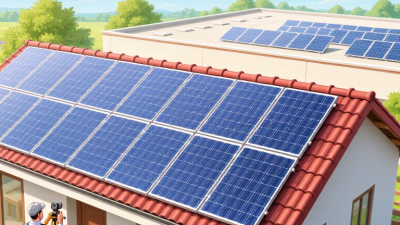
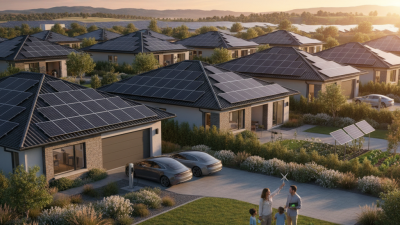
A household rooftop system may use a sloped roof, a flat roof, or a small battery room. Commercial installations often cover warehouses and shopping facilities, where daytime power demand improves self-consumption. Industrial roofs require careful checks for structural strength, fire access, cable routes, and maintenance space. Utility-scale farms need stronger grid connections and large, stable land areas.

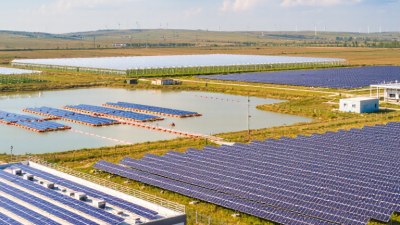
Water-based solar arrays can reduce land pressure, but anchoring and water-level changes require close monitoring. Agrivoltaic systems combine panels with crops, although shading results depend on plant type and local climate. In western regions, dust and heat can reduce output, while coastal areas face stronger wind and salt exposure. I have found that installation plans often look efficient on paper, yet small drainage or cleaning issues can affect daily performance. That lesson deserves attention.

A reliable design should include site surveys, wind calculations, electrical protection, monitoring, and realistic maintenance schedules. Local grid requirements also influence system size and connection methods. A battery may improve flexibility, but it adds cost, weight, ventilation needs, and replacement planning. There is no universal “best” installation type. The suitable choice depends on the roof, land, users, climate, and operating goals.

China’s Top 10 Solar Installation Types by Application

What Are China Top 10 Solar Installation Types?

China’s Top 10 Solar Installation Types by Application

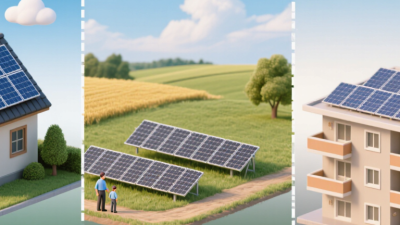
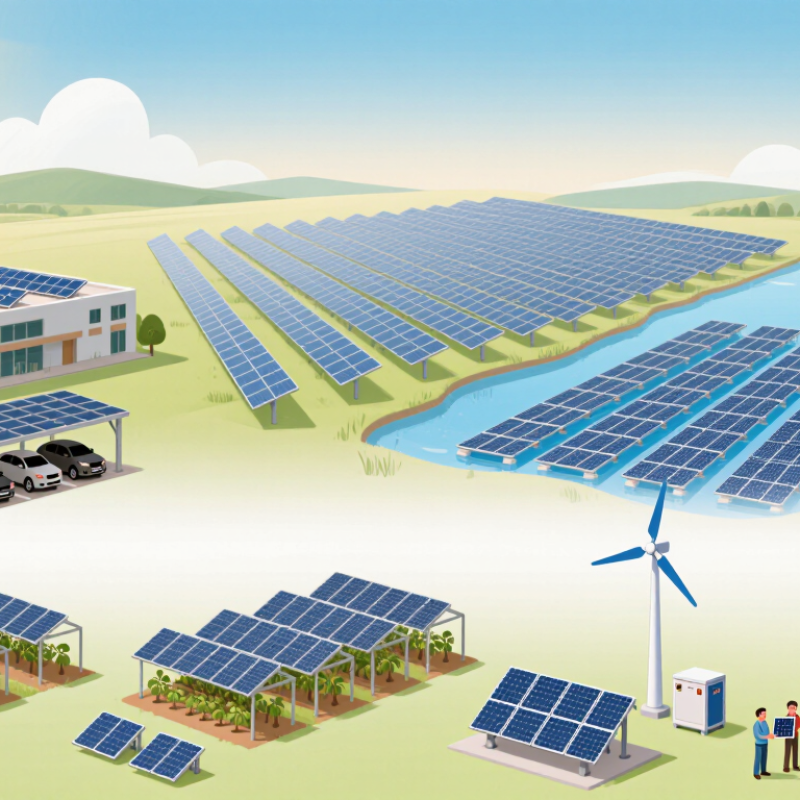
China’s solar market serves many applications, not one standard project. Residential rooftop systems suit village homes and small apartments. Commercial rooftops cover offices, shops, and warehouses. Industrial rooftops use large roof areas and consume power during working hours. Utility-scale ground installations supply electricity across broad, sunny land. Agrivoltaic systems combine crop production with elevated solar panels. Floating solar arrays use reservoirs and reduce pressure on limited land. Solar carports shade vehicles while generating electricity. Building-integrated photovoltaics replace parts of façades, windows, or roofs. Rural off-grid systems support distant homes, pumps, and monitoring stations. Solar street lighting serves roads, paths, parks, and public areas.

Each application needs a different assessment. Engineers should check roof strength, wind load, drainage, fire access, and cable routes. Mountain projects require careful slope planning and maintenance access. Floating systems need water-level records and anchoring studies. BIPV demands close coordination between electrical and building teams. A lower purchase price can create higher maintenance costs later. This point is often underestimated. A tidy design may still perform poorly when dust, shading, or weak grid capacity is ignored.

Tips: Measure sunlight across the full site, not one clear afternoon. Confirm structural documents before ordering equipment. Leave safe inspection space around panels and inverters. Review local grid rules and construction requirements. Performance estimates should include seasonal weather, so avoid overly optimistic figures. There is no perfect installation type; the best choice matches the application, site conditions, budget, and maintenance skills.

China’s Top 10 Solar Installation Types by Application

Representative project capacity by application. Utility-scale installations are commonly measured in megawatts, while distributed systems are measured at building or site level.

The categories reflect widely used solar deployment models in China, including centralized PV, distributed rooftop PV, agrivoltaics, floating solar, fishery solar, building-integrated PV, and transport-related applications.

How Different Solar Installation Types Work

What Are China Top 10 Solar Installation Types?

China’s solar market uses ten practical installation types, each matching a different site and energy need. Rooftop systems place panels on homes, factories, and public buildings. Ground-mounted arrays use fixed frames or tracking structures on open land. Floating solar platforms sit on reservoirs, where water can reduce dust and panel temperature. Carport systems shade parking areas while producing electricity. Balcony solar uses compact panels and microinverters for small urban spaces.

Building-integrated photovoltaics replace parts of roofs, walls, or glass with power-generating materials. Agrivoltaic systems raise panels above crops, creating partial shade and electricity together. Utility-scale solar connects large fields to the grid through inverters and substations. Off-grid systems combine panels with batteries for remote homes, signals, or agricultural equipment. Hybrid installations link solar with storage or another energy source, helping manage cloudy periods. Each design works differently. Sunlight becomes direct current, an inverter changes it into usable alternating current, and controls manage safety and output.

Tips: Check roof strength, drainage, shade, wind exposure, and local grid rules before choosing a system. Battery sizing should reflect evening demand, not only panel capacity. Keep cables protected and schedule inspections after severe weather. Floating and agricultural projects need extra environmental planning. A simple ranking can mislead. The cheapest installation may perform poorly if maintenance access is ignored. Even experienced planners revise designs after measuring real shadows, soil conditions, and seasonal energy use.

Comparing Their Costs, Benefits, and Limitations

What Are China’s Top 10 Solar Installation Types?

China’s solar market uses ten common installation types, each serving different budgets and sites. Rooftop grid-tied systems are affordable and simple, but they stop during outages. Off-grid systems support remote homes, although batteries raise costs and require regular replacement. Hybrid systems combine grid power, batteries, and panels. They offer stronger backup, but their controls are more complex. Ground-mounted arrays deliver easier maintenance and higher output, yet they need suitable land and stronger foundations. Solar carports create electricity while shading vehicles. Their steel structures increase initial spending.

Agrivoltaic systems share farmland with crops, improving land efficiency, but shade can reduce some harvests. Floating solar uses reservoirs and saves land, although water, anchoring, and corrosion increase maintenance risks. Building-integrated photovoltaics replace parts of walls or roofs. They look cleaner, but repairs can be difficult and expensive. Community solar allows shared access for users without suitable roofs. Its benefits depend on local rules, subscriptions, and grid capacity. Portable solar is flexible for temporary needs, but its output remains limited. Costs vary with sunlight, roof condition, labor, storage, and financing.

Tips: Compare lifetime cost, not only the installation quote. Check annual shading from trees, chimneys, and nearby buildings. Ask for measured performance data and clear maintenance terms. In my experience, the cheapest design is not always the most reliable. Battery sizing is often guessed too optimistically. Recheck evening demand before choosing storage. Safety inspections and qualified installation should never be treated as optional.

What Are China Top 10 Solar Installation Types? - Comparing Their Costs, Benefits, and Limitations

No. Solar Installation Type Typical Application in China Indicative Installed Cost
(RMB/W)
Typical Capacity Factor Main Benefits Key Limitations Best-Fit Project
1 Utility-Scale Fixed-Tilt Ground-Mounted PV Large solar bases in northern and northwestern provinces, including desert, Gobi, and other low-productivity land. 2.8–4.0 16%–24% Lowest cost per watt among mainstream options; simple design; efficient operation and maintenance at large scale. Requires substantial land, transmission capacity, and grid-connection planning; output is intermittent and may be curtailed in congested areas. Very large projects with available land and strong grid access
2 Industrial and Commercial Rooftop PV Factories, warehouses, logistics centers, shopping facilities, office buildings, and public buildings. 3.2–5.5 13%–20% Uses existing roof space, reduces daytime electricity purchases, avoids most land costs, and can lower building cooling loads. Roof condition, shading, structural loading, fire-safety requirements, and tenant ownership can complicate development. Facilities with stable daytime electricity demand
3 Residential Rooftop PV Detached houses, rural homes, village buildings, and small residential properties, especially in eastern and central China. 3.5–5.5 12%–19% Distributed generation near the point of use; relatively short construction time; can provide long-term energy-cost savings. Small project size raises per-watt soft costs; roof orientation, shading, ownership, and local permitting may vary significantly. Homes with suitable roofs and predictable electricity consumption
4 Agrivoltaic Solar PV arrays installed above or beside farmland, orchards, greenhouses, grazing areas, and aquaculture facilities. 3.5–5.8 13%–21% Combines electricity production with agricultural use; may reduce heat stress, evaporation, or hail exposure for selected crops. Higher structural and design costs; shading can reduce crop yields; land-use compliance and agricultural compatibility must be demonstrated. Sites requiring continued agricultural or aquaculture activity
5 Floating Solar PV Reservoirs, former mining subsidence ponds, irrigation ponds, and other suitable inland water bodies. 3.5–5.8 14%–22% Saves land, benefits from water-based cooling, and can share infrastructure with nearby hydropower or utility assets. Anchoring, wind, waves, corrosion, water-level changes, access, and ecological impacts require careful assessment. Suitable inland water bodies near grid infrastructure
6 Single-Axis Tracking PV Large ground-mounted projects in high-irradiance regions with sufficient land and relatively low terrain complexity. 3.0–4.5 18%–27% Typically increases energy yield compared with fixed-tilt systems, particularly where direct solar irradiation is strong. Higher mechanical and maintenance requirements; larger row spacing may increase land use; wind and snow loads affect design. High-irradiance utility projects seeking greater annual output
7 Building-Integrated Photovoltaics (BIPV) PV glass roofs, curtain walls, façades, skylights, canopies, and other architectural building elements. 4.5–8.0 9%–18% Combines the building envelope with electricity generation; can improve architectural integration and reduce separate façade-material needs. Higher design and installation costs; complex waterproofing, fire safety, replacement, and electrical-maintenance requirements. New commercial, public, and high-performance buildings
8 Solar Carports and Parking-Canopy PV Parking areas at offices, factories, hospitals, transport hubs, shopping centers, and public facilities. 4.0–7.0 13%–21% Provides shade and weather protection for vehicles while generating electricity; pairs well with electric-vehicle charging. Steel structures, drainage, traffic management, lighting, and charger integration increase capital and construction complexity. Large parking areas with daytime load or EV-charging demand
9 Off-Grid Solar and Solar-Plus-Battery Systems Remote households, telecommunications equipment, monitoring stations, islands, construction sites, and weak-grid locations. 5.0–12.0 10%–22% Reduces dependence on diesel or grid extension; offers power where grid electricity is unavailable or unreliable. Battery replacement and energy-management costs are significant; system sizing must account for seasonal demand and cloudy periods. Remote or unreliable-grid applications
10 Solar Streetlights and Small Stand-Alone Public Systems Roads, parks, rural paths, community areas, signage, traffic facilities, and small public-service installations. 8.0–20.0 8%–18% Avoids trenching and grid-connection costs; suitable for decentralized lighting and basic public services. Small batteries and electronics require replacement; lighting availability can decline after several cloudy days or during winter. Remote lighting and small public infrastructure
Notes: Cost ranges are indicative 2024–2025 China market estimates in RMB per watt of installed PV capacity. They generally exclude land acquisition, major transmission upgrades, financing costs, taxes, and battery storage unless storage is explicitly included. Capacity-factor ranges vary with location, irradiation, orientation, shading, system availability, and curtailment.

Choosing the Right Solar Installation Type for Each Project

Choosing among China’s ten solar installation types requires more than comparing panel prices. Rooftop systems work well for factories, warehouses, and schools with strong structures and daytime demand. Utility-scale ground plants need open land, grid capacity, and careful ecological screening. Agrivoltaic projects combine crops with elevated arrays, while floating solar uses reservoirs but demands stronger anchoring plans. Building-integrated photovoltaics, parking canopies, façade systems, balcony units, containerized systems, and off-grid installations serve narrower needs. Fit matters. The roof is not the project.

China added about 277 GW of solar capacity in 2024, reaching roughly 887 GW, according to IRENA’s Renewable Capacity Statistics 2025. The International Energy Agency also identifies China as the main driver of global renewable growth in its Renewables 2024 report. These figures show market strength, not guaranteed project quality. A coastal floating array faces corrosion and wind exposure. A western ground plant may face dust, transmission limits, and water constraints. In my project reviews, a beautiful yield model sometimes ignored maintenance access. That mistake is expensive.

Tips: Measure roof loading, shading, and cable routes before selecting equipment. Check local grid rules and export limits early. For agrivoltaics, record crop height, irrigation paths, and seasonal sunlight. Use a professional structural and electrical assessment. Leave room for maintenance. A low-cost design can become a poor investment when cleaning, repairs, or curtailment are overlooked.