The global solar market is entering 2026 with unusual momentum, but buyers still face a practical question: which solar energy installation fits their location, budget, and energy habits? IRENA’s Renewable Capacity Statistics 2025 reported approximately 585 gigawatts of renewable capacity added worldwide in 2024. Solar contributed the largest share, reaching about 1,865 gigawatts of total installed capacity. The numbers are impressive. They do not make every system suitable.
The International Energy Agency’s Renewables 2024 report expects solar photovoltaic capacity to provide nearly 80% of global renewable growth through 2030. This outlook supports several installation paths, including rooftop systems, ground-mounted farms, floating solar, agrivoltaics, and hybrid solar-plus-storage projects. Each option creates different advantages. A shaded warehouse roof may need high-efficiency modules and careful electrical design. A rural project may require stronger foundations, longer cables, and grid studies. A coastal site also needs corrosion-resistant components.
Fatih Birol, Executive Director of the IEA, has said, “Solar PV and wind are going to be the cheapest source of electricity in most countries.” That statement is influential, yet it needs context. Equipment prices, financing costs, grid access, weather, and local maintenance can change the final result. The cheapest panel is not always the lowest-cost installation. Sometimes, the perfect design exists only on paper.
This guide compares the best solar energy installation types for global buyers in 2026. It examines performance, storage needs, land use, resilience, maintenance, and project scale. Buyers should question optimistic forecasts. Real rooftops have shadows, dust, weak wiring, and imperfect records. Reliable decisions begin with site evidence, qualified installers, and transparent lifetime calculations.
Solar Energy Installation Types: An Overview for Global Buyers
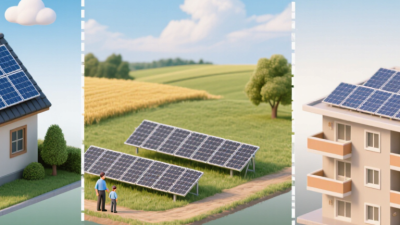
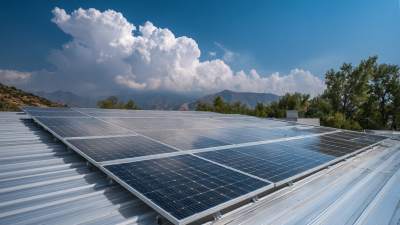
Solar energy installations differ by land availability, roof structure, sunlight, and local grid conditions. Rooftop systems suit homes, offices, warehouses, and small factories. They use existing space and can reduce transmission losses. Before installation, a qualified surveyor should check roof age, load capacity, shading, and drainage. A strong roof is not always a suitable roof.
Ground-mounted systems work well for farms, industrial sites, and large commercial projects. They allow easier panel placement and maintenance access. However, buyers must consider fencing, soil conditions, storm exposure, and land-use approvals. In dry regions, dust can reduce output quickly. Regular cleaning may require additional water and labor.
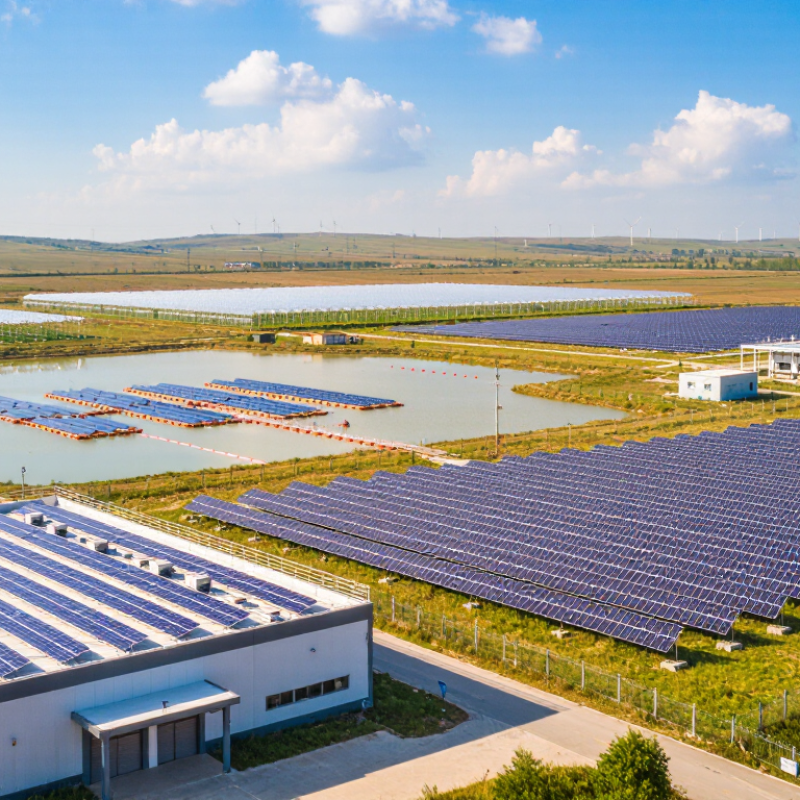
Floating solar systems use reservoirs or industrial ponds, while solar carports combine electricity generation with vehicle shelter. These options preserve valuable land and may reduce surface evaporation. Hybrid installations add batteries, helping users manage evening demand or unstable grid supply. Battery safety, temperature control, replacement planning, and recycling arrangements deserve careful review. Small systems may appear simple, yet poor wiring or weak mounting can create expensive problems. Real project decisions should compare local energy prices, weather records, maintenance skills, permits, and expected system life. A design that performs well in one country may be unsuitable elsewhere. Experiences from nearby sites are useful, but they should not replace an independent technical assessment.
Grid-tied solar systems connect photovoltaic panels to public utility networks through an inverter. During daylight, panels supply household loads first. Excess electricity flows through a bidirectional meter and may receive bill credits, depending on local rules. At night, the home imports power from the grid. There is no routine battery requirement. This design uses the network as virtual storage, but that phrase can hide seasonal limitations. IRENA’s Renewable Capacity Statistics 2024 recorded 345.5 GW of new solar capacity worldwide in 2023, showing the market’s rapid expansion.
The key safety feature is anti-islanding. When the grid fails, the inverter normally shuts off, even under strong sunlight. That protects line workers. Buyers needing backup should add approved batteries and compatible controls, or choose a hybrid system. A grid-tied array may reduce annual electricity purchases without providing emergency power. The IEA’s Renewables 2024 report projects solar and wind will provide 95% of renewable capacity expansion through 2030. Export limits may become stricter.
Choose grid-tied solar when interconnection rules are workable, roof shading is limited, and daytime production matches demand. Ask for a 12-month production estimate, inverter certification, labor costs, and the utility’s export cap. Check the contract. NREL’s 2024 Annual Technology Baseline shows that solar costs vary by region and financing assumptions. Therefore, universal payback claims are weak. Winter output, outages, network charges, and future tariff changes deserve equal attention. Peak panel output is easy to overvalue.
Off-grid and hybrid solar installations are practical choices for buyers seeking greater energy independence. Off-grid systems generate, store, and manage electricity without a utility connection. They suit remote homes, farms, clinics, and construction sites with limited grid access. A typical installation combines solar panels, a charge controller, batteries, an inverter, and backup generation. The design must match daily consumption, seasonal sunlight, and peak loads. A water pump can change everything.
Hybrid systems remain connected to the grid while using solar and batteries to reduce dependence. They can support essential circuits during outages, if local regulations and utility approvals permit. During site assessments, installers should measure roof orientation, shading, cable routes, and battery ventilation. Buyers should request load calculations, equipment warranties, monitoring access, and documented commissioning tests. These records make performance claims easier to verify. Local technicians matter.
Energy independence is not absolute. Clouds matter. Dust, aging batteries, and sudden motor loads can expose weak planning. Oversizing panels alone may not solve an undersized inverter or poor battery management. A safer approach uses realistic demand data, protected wiring, certified components, and trained technicians. Maintenance remains necessary, including cleaning, firmware checks, terminal inspections, and battery health reviews. I would question optimistic payback estimates, because they often ignore replacement costs and changing energy habits. Remote repairs can be expensive.
Typical Battery Autonomy for Off-Grid and Hybrid Solar Installations
Off-grid systems are commonly designed with approximately 48–72 hours of battery autonomy to maintain essential loads during cloudy or low-sun periods. Hybrid systems typically use 12–36 hours of storage because the utility grid or another backup source can support the loads when solar production is insufficient. Actual sizing depends on local solar irradiation, seasonal demand, critical loads, and battery technology.
Rooftop, Ground-Mounted, or Floating Solar: Choosing the Right System
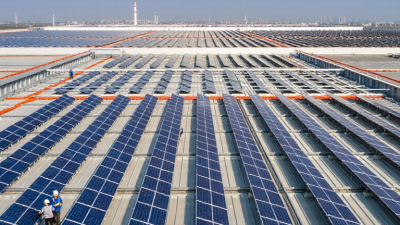
Rooftop solar uses existing space and avoids most land purchases. It suits factories, warehouses, schools, and dense urban buildings. The International Energy Agency reported nearly 420 gigawatts of global solar additions in 2023. Rooftops contributed significantly, especially where electricity prices are high. Yet roof age, shading, structural strength, and maintenance access require careful inspection. A cheap installation can become expensive after hidden repairs.
Ground-mounted solar offers easier orientation, larger arrays, and simpler cleaning access. It works well on low-value land with strong grid connections. However, buyers must assess drainage, soil stability, fencing, vegetation, and community concerns. The International Renewable Energy Agency recorded about 1.42 terawatts of global solar capacity by the end of 2023. This scale shows market maturity, not universal suitability. Land availability still limits many projects.
Floating solar can preserve land and reduce water evaporation in suitable reservoirs. A World Bank ESMAP report estimated more than 400 gigawatts of potential on selected artificial reservoirs. Floating systems need reliable anchoring, water-level analysis, and corrosion-resistant equipment. Waves and difficult maintenance can raise costs. The choice is rarely obvious. Buyers should compare lifecycle costs, local weather, grid distance, permits, and insurance. Early feasibility studies are not optional. Mistakes usually begin before construction.
For global buyers, choosing a solar installation type starts with site conditions, not panel labels. Rooftop systems suit dense properties, while ground-mounted arrays need land, fencing, drainage, and grid access. Floating projects can reduce land pressure, but water conditions and maintenance logistics become critical. Measure the roof first. The IEA’s Renewables 2024 report recorded nearly 420 GW of solar PV additions in 2023, showing extraordinary market scale.
Scale does not guarantee a good project. Buyers should compare annual yield, shading losses, temperature effects, degradation assumptions, and local electricity tariffs. The International Renewable Energy Agency reported 452 GW of solar capacity additions in 2024, within 585 GW of total renewable additions. That growth supports solar’s maturity, yet component quality and installation workmanship still vary sharply across regions. Ask for audited production estimates, structural calculations, protection settings, and documented commissioning tests. Do not accept optimistic simulations without weather data.
Climate exposure matters. Coastal sites need corrosion controls; snowy regions need load engineering; dusty areas need realistic cleaning plans. Storage may improve resilience where grids are weak, but battery cycling, fire protection, replacement costs, and recycling rules require scrutiny. A low quoted price can hide expensive downtime. In practice, buyers often overvalue nominal capacity and undervalue repair access. That judgment can fail when tariffs, permits, or export rules change. Use independent technical review and verify installer credentials, insurance, warranties, and local compliance before contracting.
| Installation Type | Typical System Size | Primary Location | Battery Storage | Typical Energy Use | Main Advantages | Key Limitations | Important Selection Factors for 2026 |
|---|---|---|---|---|---|---|---|
| Grid-Tied Rooftop Solar | 2–20 kW for homes and small businesses | Residential, commercial, and industrial roofs | Not required; optional battery integration | Daytime electricity consumption with grid export | Generally lower upfront cost; uses existing roof area; reduces grid electricity purchases | Usually shuts down during a grid outage unless backup equipment is installed; roof condition is critical | Net-metering or export rules, roof orientation, shading, structural capacity, inverter warranty, and local interconnection requirements |
| Hybrid Rooftop Solar with Battery | 3–30 kW solar; 5–60 kWh battery storage | Homes, offices, shops, and small facilities | Integrated battery system, commonly lithium iron phosphate chemistry | Self-consumption, peak shaving, and selected backup loads | Improves solar self-consumption; provides backup capability; can reduce peak-demand charges | Higher capital cost; battery capacity declines over time; backup duration depends on load management | Usable battery capacity, round-trip efficiency, cycle warranty, backup transfer time, thermal management, and fire-safety compliance |
| Off-Grid Solar with Battery | 1–100 kW, depending on the site and load | Remote homes, farms, telecom sites, and isolated facilities | Essential; sized for daily use and low-solar periods | Complete electricity supply without a utility connection | Avoids grid-extension costs; provides energy independence; suitable for remote locations | Requires careful load planning, larger storage, and often a backup generator for extended cloudy periods | Solar resource assessment, autonomy days, battery depth of discharge, generator compatibility, spare parts, and local maintenance capability |
| Ground-Mounted Solar | 10 kW to several megawatts | Open land, agricultural areas, commercial sites, and industrial property | Optional; may be paired with a separate battery system | Commercial self-generation, community solar, and utility-scale power production | Easier orientation and maintenance access; scalable; avoids roof-load limitations | Requires land, foundations, fencing, permitting, and potential environmental or agricultural assessment | Land availability, soil conditions, flood risk, tracker suitability, grid-connection capacity, security, and permitting timeline |
| Solar Carport and Parking-Canopy System | 20 kW to 5 MW | Parking areas, transport hubs, campuses, and commercial properties | Optional; useful for electric-vehicle charging and load shifting | Building electricity, parking-area loads, and electric-vehicle charging | Produces power without using additional roof space; provides shade and weather protection | Higher structural and civil-work costs; drainage, vehicle clearance, and construction logistics must be addressed | Parking layout, wind and snow loads, drainage design, charger demand, accessibility, corrosion protection, and construction disruption |
| Floating Solar | 100 kW to hundreds of megawatts | Reservoirs, irrigation ponds, quarry lakes, and suitable industrial water bodies | Optional; may support grid balancing and local water-pumping loads | Utility generation, water infrastructure, and industrial electricity supply | Conserves land; may reduce water evaporation; can benefit from lower module temperatures | Water-level changes, anchoring, corrosion, access, aquatic impacts, and specialized maintenance requirements | Water-use permissions, wind and wave conditions, anchoring design, water quality, cable routing, and environmental review |
| Community Solar Installation | 100 kW to several megawatts | Shared ground-mounted, rooftop, or carport sites | Optional; depends on the project structure and local grid needs | Shared access for customers without suitable private roofs | Expands solar access; centralizes maintenance; suitable for renters and unsuitable roofs | Depends on local regulation, subscription terms, credit allocation, and project availability | Customer eligibility, bill-credit rules, contract duration, project ownership, cancellation terms, and consumer protection |
| Solar-Diesel or Solar-Generator Hybrid | 10 kW to several megawatts | Remote commercial, mining, agricultural, and critical-service sites | Recommended; reduces generator runtime and fuel consumption | Reliable power where grid service is weak or unavailable | Improves fuel efficiency; maintains dispatchable backup; increases resilience | Still uses fuel; requires coordinated controls, generator maintenance, and fuel logistics | Generator minimum loading, control-system compatibility, fuel costs, emissions rules, battery sizing, and service access |
| Building-Integrated Solar | 5 kW to 1 MW | façades, skylights, roofs, and architectural building elements | Optional; generally selected according to building-load requirements | Commercial, institutional, residential, and architectural applications | Combines building materials with electricity generation; can support design and space-efficiency goals | May have higher design and installation costs; replacement and maintenance can be more complex | Building-code compliance, fire safety, waterproofing, thermal performance, façade orientation, appearance, and repair access |