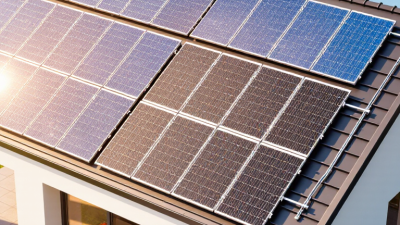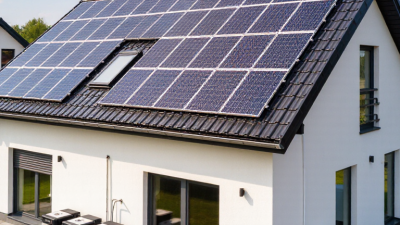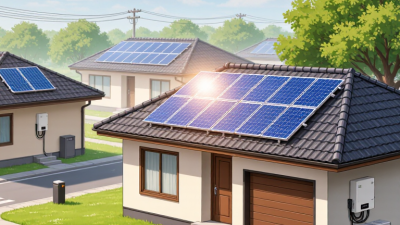
A home solar system turns sunlight into electricity that can power everyday life: the refrigerator humming in the kitchen, lights over the hallway, and devices charging beside the bed. Its main components are rooftop or ground-mounted panels, an inverter, and electrical controls. Some homes also include a battery. The setup may look simple from the driveway. Its performance depends on details such as roof direction, shade, local weather, and household electricity use.
During daylight, solar panels produce direct-current electricity. An inverter converts it into alternating current, which most household appliances use. The home draws solar power when it is available; extra electricity may charge a battery or flow to the grid, depending on the equipment and utility arrangement. At night, a battery or grid connection can supply power. Important detail: many grid-connected systems stop supplying the home during an outage unless they include suitable backup equipment. Panels alone do not guarantee backup power.
Energy expert Amory Lovins, co-founder of the Rocky Mountain Institute, has said, “The cheapest energy is the energy you don’t use.” That idea offers a useful lens for understanding home solar: reducing wasted electricity can help a system meet more of a household’s needs. Still, no roof or energy bill tells the whole story. A shaded panel, an aging inverter, or a poorly matched battery can change the results. The sections ahead explain how the components work together, what affects system performance, and which questions homeowners should ask before choosing a setup. There is no one-size-fits-all answer.
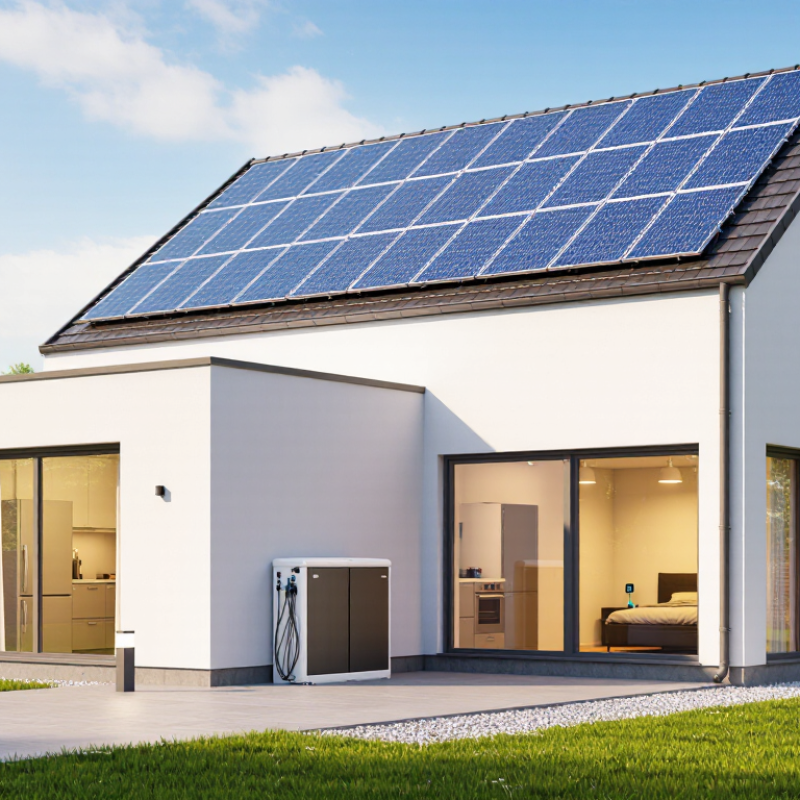
A home solar system is a set of rooftop or ground-mounted panels, an inverter, wiring, and safety equipment. It is designed to convert sunlight into electricity for household use, not to produce a fixed amount every hour. Panels generate direct current; the inverter changes it into alternating current for appliances such as a refrigerator or washing machine. On a bright afternoon, the system may supply the home and send extra electricity to the grid. After sunset, grid-connected homes usually draw power from the grid unless they have storage. Batteries can save some daytime energy for later, but they add cost and do not guarantee backup for every appliance.
System size depends on roof conditions, local sunlight, and household use. The U.S. Energy Information Administration reported average residential electricity consumption of about 10,791 kilowatt-hours per customer in 2022. That figure is a useful reference, not a sizing rule: a shaded roof or high winter use can change the calculation. NREL’s PVWatts tool estimates solar production using location, system size, and other inputs, helping homeowners compare expected output with their bills. A neat diagram makes this look simple. Real roofs are messier. Shading from a chimney, panel orientation, and seasonal weather all affect production, so estimates should be checked against site conditions and actual electricity records. A home system is designed to offset part of a household’s grid use; its exact contribution varies.
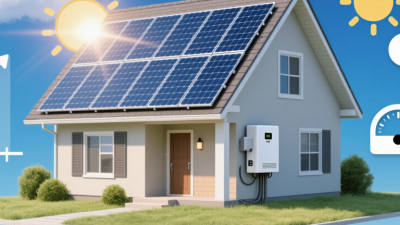
A home solar system is a group of parts that turns sunlight into usable household electricity. Solar panels contain cells that produce direct current when light strikes them. The panels attach to roof rails or a ground-mounted frame, which must hold them steady in wind and weather. Wiring carries their output to an inverter. Small details matter: a chimney’s afternoon shadow can reduce production from nearby panels. The roof layout is not always as tidy as a diagram suggests.
The inverter changes direct current into alternating current, which most home appliances use. Some systems include a battery to store extra daytime energy for later; others send surplus power through a utility meter, depending on the local setup. A monitoring device can show daily production, though its readings may need context: cloudy weather and seasonal daylight change the numbers. Disconnect switches provide a way to isolate equipment for servicing. Panel count gets much of the attention, but inverter capacity, roof condition, and household use also shape a practical design. The details deserve a second look.
A home solar system begins with photovoltaic cells, usually made from silicon. Sunlight knocks electrons loose inside each cell, creating direct-current electricity. Cells connect into modules, and modules form panels on the roof. The stronger the sunlight, the more electricity they can produce, though shade, heat, and panel direction also matter. Small details matter. A chimney’s narrow shadow can affect output more than a quick roof sketch suggests.
Household outlets use alternating-current electricity, so an inverter converts the panels’ DC power into AC. The home uses available solar electricity in real time; extra power may charge a battery or flow to the grid, depending on the system. When panels produce less than the home needs, electricity comes from storage or the grid. A monitoring display can show production, but a sunny afternoon does not guarantee a large monthly bill reduction.
NREL’s PVWatts model applies a default 14% system-loss allowance to account for factors such as wiring, inverter conversion, and other real-world losses. It is a planning assumption, not a prediction for every roof. That distinction is easy to overlook. A clean diagram makes solar seem perfectly efficient; actual performance depends on local weather, shade, equipment, and installation details. Checking hourly production estimates against roof conditions gives a more grounded picture than relying on panel ratings alone.
| Stage or Component | What Happens | Typical Facts | Result or Role |
|---|---|---|---|
| Sunlight reaches the panels | Solar cells absorb light energy. The amount of electricity generated depends on sunlight, panel orientation, shading, temperature, and system condition. | Standard panel power ratings are measured under laboratory test conditions, including an irradiance of 1,000 watts per square metre. | Light energy is available for conversion into electrical energy. |
| Photovoltaic cells generate electricity | Light interacting with semiconductor material, usually silicon, frees charge carriers. The cell’s electric field directs them, creating direct current (DC). | Residential solar modules commonly contain interconnected photovoltaic cells; module power ratings vary by model and size. | DC electricity flows from the solar modules. |
| Modules form an array | Modules are electrically connected in strings and mounted on a roof or another suitable structure. Wiring combines their output. | Array output changes throughout the day and with weather; a panel’s rated power is not a guarantee of its moment-to-moment output. | The array supplies DC power to the system’s power electronics. |
| Inverter converts DC to AC | An inverter changes the panels’ DC electricity into alternating current (AC), which is used by most household appliances. | Inverter conversion efficiency is commonly in the mid-to-high 90% range, though performance varies by equipment and operating conditions. | Electricity is converted into a form suitable for household circuits and, where permitted, the grid. |
| Maximum power point tracking | Inverter controls adjust the electrical operating point of the panels to help extract available power as sunlight and temperature change. | Tracking performance depends on the inverter design, system configuration, and conditions such as uneven shading. | Helps the system use the panels’ available power efficiently. |
| Household electricity use | Solar electricity is supplied to active household loads. The home draws additional electricity from the grid when solar production is insufficient. | Household AC voltage and electrical rules differ by country and region. | Solar generation can reduce the amount of electricity imported from the grid. |
| Grid connection and excess generation | When the system generates more than the home is using, surplus electricity may flow to the grid if the system is connected and local rules allow it. | Export credits, compensation, and interconnection requirements depend on the local utility and regulations. | Provides a path for surplus generation; it does not by itself guarantee a particular bill credit. |
| Battery storage (optional) | A battery stores surplus energy for later use. Depending on the system design, power electronics manage charging and conversion between DC and AC. | Usable storage capacity, charging power, and backup capability vary by battery and system configuration. | Can shift some solar energy to later hours; backup during an outage requires compatible equipment and installation. |
| Monitoring and safety equipment | Monitoring equipment records system performance. Disconnects and protective devices help isolate equipment and manage electrical faults. | Grid-tied systems generally stop exporting power during a grid outage unless designed with approved backup or islanding capability. | Supports system oversight and safe operation. |
Note: Actual production depends on location, weather, shading, system size, equipment, installation, and local electrical requirements.
A home solar system does more than turn sunlight into electricity. Panels produce direct-current (DC) power, while household appliances use alternating current (AC). The inverter converts one into the other and monitors system output. A hybrid inverter can also direct surplus power into a battery or toward the grid. At noon, a sunny roof may supply the refrigerator and washing machine while charging a battery. After sunset, stored energy can serve household loads. Not magic.
During an outage, a standard grid-connected inverter usually shuts down to protect utility workers. Backup requires suitable equipment that can isolate the home from the grid. Battery capacity matters, but so does its power rating: a small battery may run lights and a router, yet struggle with a pump or electric oven. One easy-to-miss limitation is that cloudy weather can reduce solar production just when stored energy runs low.
The grid acts as both a source and a destination for power. A home can draw electricity when panels and batteries fall short, and export excess generation when local rules and equipment permit.
The International Energy Agency’s 2024 report, Batteries and Secure Energy Transitions, records 42 gigawatts of new battery storage in the power sector during 2023, more than 130% above the previous year.
That growth reflects storage’s role in balancing variable supply, though a household battery does not automatically provide grid services. Settings, utility connections, and local conditions shape how the system operates.
A home solar system uses rooftop panels to turn sunlight into electricity, then an inverter makes that power usable in the home. Its size, measured in kilowatts, describes the array’s rated output under standard test conditions, not a promise of daily production. A larger array can generate more energy, but only if the roof has enough usable space and the household can use or store the extra power.
Bigger is not always better. Roof details matter.
On an unshaded, south-facing roof in the Northern Hemisphere, panels often capture strong sunlight, but roof angle and local weather change the result. A chimney’s afternoon shadow may reduce output, depending on panel layout and electrical design.
Performance changes by season, too: long summer days raise potential production, while short winter days and low sun angles usually reduce it. Clouds, dust, snow, and nearby trees can further cut output; even a thin layer of grime may matter in dry, dusty areas. Panels also lose some efficiency when they become hot, so a bright, cool day can outperform a hotter one.
Cool weather helps.
Compare estimated monthly production with electricity use, not just the system’s headline capacity. A household using most power after sunset may benefit from storage, though batteries add cost and are not right for every home. A site assessment should check shading throughout the day and across seasons, rather than relying on one sunny afternoon.
Even careful estimates miss something.