4560 Eastgate Pkwy

Mississauga, ON.

1-888-331-3305

416-559-SOLR (7657)

10 Best Solar Panels for Your Home in 2026

Choosing solar panels for your home in 2026 requires more than comparing efficiency percentages. Your roof shape, local climate, electricity use, shade, and budget all influence the final result. A panel that performs well in Arizona may not suit a cloudy coastal property. The best choice is personal.

Vikram Aggarwal, founder and CEO of EnergySage, has emphasized, “Solar is no longer a luxury; it is a smart investment for homeowners.” His observation reflects a changing market. Modern panels can produce more power from smaller roof areas. Better warranties also reduce long-term uncertainty. Still, impressive specifications do not guarantee a strong installation. The inverter, mounting system, installer experience, and after-sales support matter just as much.

This guide examines the 10 best solar panels for your home in 2026. It considers efficiency, temperature performance, durability, warranty coverage, design, and likely value. Real-world conditions matter. Dust gathers on glass. Winter shadows shorten production. Batteries add cost, but they may improve energy independence. Some homeowners may also discover that their roof needs repairs first. That is easy to overlook.

We will not treat one brand as perfect. Every panel has compromises. A high-efficiency model may cost more than your energy savings justify. A lower-priced option may offer less advanced degradation protection. Product availability can change quickly, too. Use this guide as a practical starting point, then request several local quotes and verify installer credentials before signing anything.
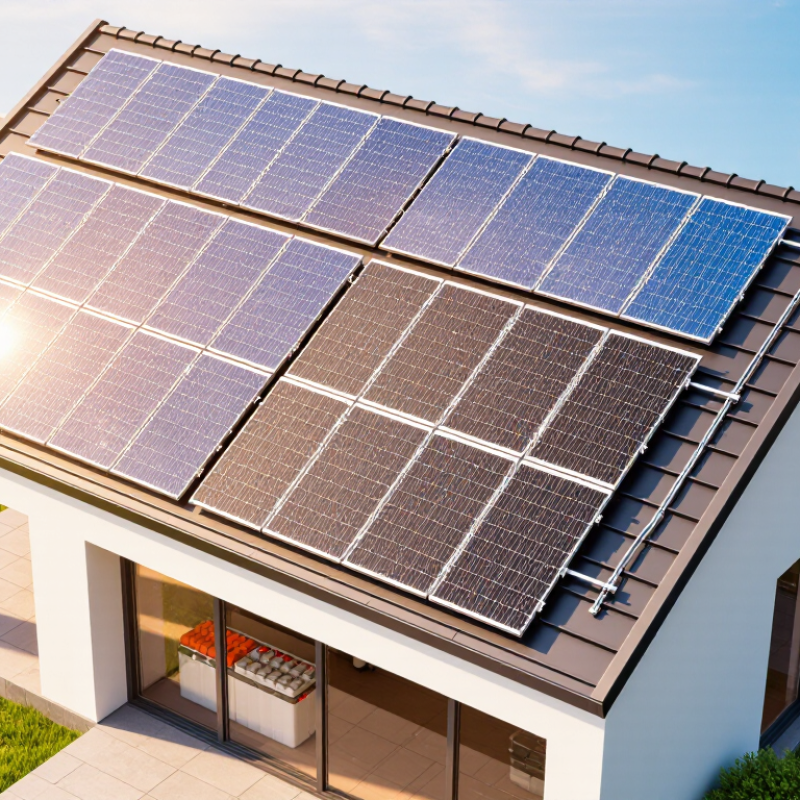
10 Best Solar Panels for Your Home in 2026

How to Evaluate Solar Panels for Your Home in 2026

Choosing the best solar panel begins with your roof, not a product ranking. Measure usable roof area, pitch, orientation, and nearby shade throughout the day. Shading matters. A professional installer should create an hourly shade analysis, because morning shadows can reduce annual output more than expected.

The IEA PVPS Trends 2024 report recorded about 447 gigawatts of new solar capacity worldwide in 2023. This growth shows a mature market, but it does not make every panel equally suitable. Compare efficiency, temperature performance, degradation, and warranty terms. NREL’s 2024 degradation analysis found a median annual degradation rate near 0.5% for many crystalline-silicon systems. A panel producing 500 watts today may produce roughly 450 watts after twenty years, before site conditions are considered. Warranty language can be slippery. Check whether coverage includes labor, replacement shipping, and performance thresholds.

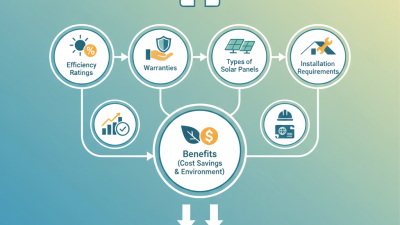
Efficiency matters when roof space is limited. Fraunhofer ISE’s Photovoltaics Report 2024 placed many commercial modules around the 20% to 23% efficiency range. Higher efficiency can reduce the number of panels, though it may increase the purchase price. Review the temperature coefficient, especially in hot climates, because output usually falls as cell temperature rises. Ask for projected annual production, not only laboratory ratings. A common field mistake is trusting a perfect roof sketch. Trees grow, inverters age, and household electricity use changes. Model those uncertainties before signing.

The 10 Best Solar Panels for Residential Use in 2026

The 10 Best Solar Panels for Residential Use in 2026 should match your roof, climate, and daily electricity habits. High efficiency matters when roof space is limited. However, efficiency alone does not guarantee the best result. Check the panel’s temperature coefficient, degradation rate, product warranty, and performance warranty. A shaded roof may need different planning than a clear, south-facing roof.

In my experience, homeowners often focus on panel appearance and overlook installation quality. A well-designed system can perform better than expensive panels installed with poor spacing or weak roof measurements. Look for panels with strong low-light performance and durable frames, especially in areas with snow, salt air, or frequent storms. Ask for yearly production estimates, not only peak wattage. Estimates can still be imperfect. Weather changes.

Tips: Measure usable roof space before comparing models. Request at least three written quotes. Confirm wiring routes, shutdown equipment, maintenance access, and local approval requirements. Review the installer’s certifications and previous residential projects. Keep copies of warranties and production estimates. Also, inspect nearby trees; a small afternoon shadow can reduce output more than expected. If your electricity use changes after adding an electric vehicle or heat pump, size the system around that future demand. Oversizing may increase costs, while undersizing can leave you buying more grid power.

Key Features, Efficiency Ratings, and Warranty Differences

The best solar panels for your home in 2026 should be judged beyond headline wattage. The Fraunhofer Institute’s Photovoltaics Report 2024 places leading commercial modules around 22% to 23% efficiency. That range matters on small roofs. A 450-watt panel can produce more usable power in limited space than a lower-rated panel. However, real output also depends on shading, roof angle, temperature, and inverter quality. Laboratory ratings are not rooftop results.

A practical top-ten comparison should examine temperature coefficients, low-light performance, mechanical-load ratings, and degradation guarantees. The International Energy Agency Photovoltaic Power Systems Programme reported global solar capacity above 1.6 terawatts after 2023. This scale supports stronger manufacturing experience, but it does not make every specification equally reliable. Look for independent testing, clear measurement conditions, and published failure data. Small differences count.

Warranty language deserves careful reading. Product warranties commonly range from 12 to 25 years, while performance warranties often cover 25 or 30 years. Many promise annual degradation near 0.35% to 0.50%. That figure can matter more than a one-point efficiency advantage after twenty years. Check whether labor, shipping, roof removal, and warranty transfer are included. They often are not. A long warranty is weak if claims require overseas paperwork or unclear proof of installation. I would not rank panels by warranty length alone; service access may be the more honest test.

Choosing the Right Solar Panel for Your Roof and Energy Needs

Choosing a solar panel begins with your roof, not a popularity list. A south-facing roof may receive strong sunlight, but east- or west-facing surfaces can still work well. Shading from chimneys, trees, and nearby buildings can reduce production sharply. Measure shadows at 9 a.m., noon, and 3 p.m. Small details matter.

Match panel output to your household’s actual energy use. Review twelve months of electricity bills before choosing a system size. If roof space is limited, higher-efficiency panels may generate more power per square meter. However, efficiency ratings come from controlled laboratory tests. Ask for performance data in hot weather, cloudy conditions, and low-light periods. Hot roofs can lower output. A qualified installer should inspect rafters, roof age, wiring routes, and local weather exposure. Avoid placing new panels on a roof that may need replacement soon.

Look beyond the nameplate wattage. Compare degradation rates, fire classifications, product warranties, and independent certifications. Confirm the installer’s license, insurance, and written production estimate. I would leave room for doubt because dust, storms, and future tree growth can weaken predictions. One estimate may look excellent until afternoon shade is modeled honestly. This happens. If your household uses more electricity at night, battery storage could improve self-consumption, but its cost and lifespan require careful review. Choose equipment that fits your roof, budget, and daily energy pattern.

10 Best Solar Panels for Your Home in 2026 - Choosing the Right Solar Panel for Your Roof and Energy Needs

A practical comparison of common residential solar-panel configurations. Values are representative market specifications and may vary by manufacturer, model, climate, roof design, and local installation requirements.

Rank Panel Configuration Typical Rated Power Module Efficiency Approximate Size Temperature Coefficient Best For Key Advantage
1 N-Type Monocrystalline TOPCon, 108 Half-Cells 400–460 W 20.5%–23.0% Approximately 1.72 × 1.13 m About −0.29% to −0.32%/°C Most standard residential roofs Strong balance of efficiency, power, temperature performance, and availability.
2 N-Type Monocrystalline HJT, 108 Half-Cells 410–470 W 21.0%–23.5% Approximately 1.72 × 1.13 m About −0.24% to −0.27%/°C Hot climates and high-output roofs Very low power loss in heat and strong performance in low-light conditions.
3 High-Efficiency Monocrystalline IBC, 108 or 120 Cells 410–470 W 21.5%–24.0% Approximately 1.72–1.90 × 1.13 m About −0.29% to −0.31%/°C Small roofs with limited usable area High energy production per square metre with a clean front surface.
4 N-Type Monocrystalline TOPCon, 120 Half-Cells 430–500 W 20.5%–23.5% Approximately 1.90 × 1.13 m About −0.29% to −0.32%/°C Large roofs and higher household electricity use Higher wattage can reduce the number of modules required for a larger system.
5 Bifacial Monocrystalline TOPCon 400–460 W front-side rating 20.5%–23.0% front-side efficiency Approximately 1.72–1.90 × 1.13 m About −0.29% to −0.32%/°C Highly reflective roofs, elevated arrays, and ground-adjacent systems Can produce additional rear-side energy when sunlight reaches the back of the module.
6 Monocrystalline PERC, 108 Half-Cells 380–450 W 19.5%–22.5% Approximately 1.72 × 1.13 m About −0.34% to −0.37%/°C Budget-conscious residential installations Mature, widely supported technology with competitive upfront costs.
7 Monocrystalline Shingled or Tiled-Cell Module 380–450 W 20.0%–22.5% Approximately 1.72–1.90 × 1.13 m About −0.30% to −0.35%/°C Roofs that experience partial shading Cell layout can improve current flow and reduce the impact of some shade patterns.
8 Glass-Glass Monocrystalline Module 390–470 W 20.0%–23.5% Approximately 1.72–1.90 × 1.13 m About −0.29% to −0.34%/°C Long-term installations and demanding weather conditions Glass on both sides can improve resistance to moisture, ultraviolet exposure, and mechanical stress.
9 Compact Monocrystalline Module, 60 or 66 Cells 350–410 W 19.0%–22.0% Approximately 1.65–1.75 × 1.05–1.10 m About −0.30% to −0.37%/°C Small, irregular, or space-constrained roofs Smaller dimensions can make roof layout and handling easier where full-size modules do not fit well.
10 Flexible Thin-Film Module 100–300 W per module Approximately 10%–18% Varies widely; often lighter and thinner than rigid modules Technology-dependent; commonly about −0.20% to −0.30%/°C Lightweight structures, curved surfaces, and specialty rooftops Low weight and flexible construction can suit surfaces that cannot support conventional glass modules.
Selection note: Rated power and efficiency should not be considered alone. Before choosing a panel, compare roof area, shading, roof load capacity, local weather, inverter compatibility, installation cost, product availability, and the system’s expected annual energy yield.

Installation, Maintenance, Costs, and Long-Term Savings

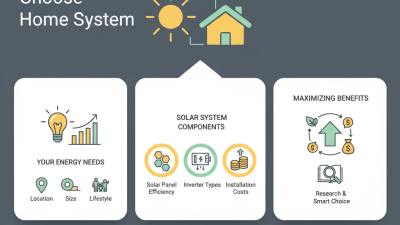
Choosing among the 10 best solar panels for your home in 2026 requires more than comparing efficiency percentages. Measure your roof’s usable area, direction, pitch, and afternoon shade before requesting quotes. A professional installer should inspect the roof structure and electrical panel. I have seen small shadows reduce production more than homeowners expected.

Installation costs often include panels, inverters, mounting hardware, permits, labor, and grid connection fees. Ask for an itemized estimate. A lower quote may exclude roof repairs or electrical upgrades. Battery storage adds substantial cost, but it can provide backup power and improve evening energy use. Local incentives may change, so verify current rules with an official energy agency.

Solar panels usually need little maintenance. Remove heavy dirt, leaves, and bird debris when safe, especially after long dry periods. Keep trees trimmed, but do not cut branches without checking local restrictions. An installer can review monitoring data and identify unusual drops in output. Annual inspections are sensible, although every home has different risks.

Long-term savings depend on electricity rates, sunlight, system size, financing, and export rules. Calculate payback using conservative production estimates, not the sales projection alone. A system may save more during expensive peak hours, while a small roof can limit returns. My own preference is careful sizing; oversized systems look impressive but can weaken the financial case. Reserve money for inverter replacement, even when warranties appear reassuring.

10 Best Solar Panels for Your Home in 2026

Representative residential solar panel configurations are compared by module efficiency and estimated annual degradation. Higher efficiency can help homes with limited roof space, while lower degradation supports stronger long-term energy production.

Values reflect typical 2026 residential market specifications for non-branded panel technologies. Actual installation costs, maintenance requirements, incentives, and savings vary by location, roof design, electricity rates, installer, and system size.