For global buyers, choosing home solar is less about chasing the biggest panel rating and more about matching a system to a real household. A sunny roof can still perform poorly if trees shade it after lunch. A battery may add resilience, but it also changes the budget and installation requirements. Small details matter. Roof age, local weather, electricity prices, and future energy use all shape the decision.
Clean-energy entrepreneur and author Bill Nussey has said, “The energy transition is not going to be a transition. It’s going to be a transformation.” That wider shift is already showing up on ordinary rooftops, where families compare panels, inverters, batteries, warranties, and installer proposals. Yet equipment names alone do not tell the whole story. Buyers should check what each quote includes, how expected production was estimated, and who will handle service if a component fails. No roof is identical.
This guide shares ten practical buying tips for comparing home solar options across markets. It covers questions to ask about system sizing, product quality, installation experience, monitoring, and long-term support. It also encourages buyers to examine assumptions, not just attractive savings estimates. A checklist cannot remove every uncertainty. Some details may still need a qualified local assessment, especially when roof condition or utility rules are unclear. The goal is a more informed purchase, not a perfect prediction.
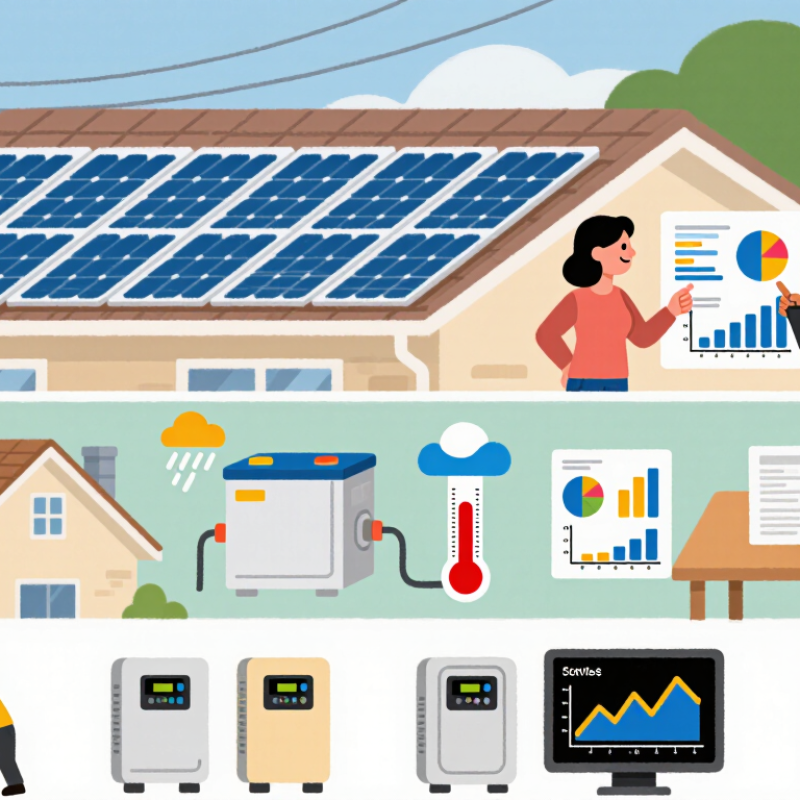
Before comparing solar systems, study at least twelve months of electricity bills. Note monthly kilowatt-hour use, peak charges, and seasonal changes. A household using air conditioning in summer may need a different system size than one with winter heating. If available, review hourly consumption data; it shows whether energy is used during sunny hours or mainly at night. A few unusual months can distort the picture, so check what caused them.
Next, inspect the roof and nearby surroundings. Record its usable area, roof material, and the hours trees or buildings cast shade. Roof direction matters, but the best orientation varies by hemisphere and site. Local solar maps can offer a useful estimate, not a promise. Ask a qualified local professional to check roof condition and assess shading before relying on a production forecast. Measurements are never perfect.
Tips: Photograph the roof at morning, midday, and late afternoon. Compare those images with your bill history. List planned changes, such as an electric vehicle or heat pump. Don’t size a system from one sunny day. Keep it simple. A small notebook can help.
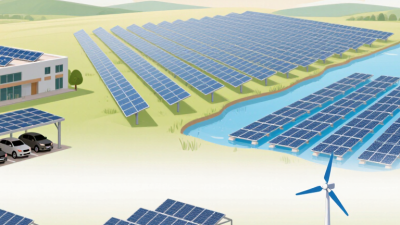
Choose a system around your household’s energy pattern, not just roof size. A grid-connected system suits homes with dependable utility service and daytime usage. A hybrid system adds batteries for backup or shifting solar power into evening hours. Off-grid systems need larger storage and careful planning for cloudy periods. The IEA PVPS Trends 2024 report puts global solar photovoltaic capacity above 1.6 terawatts by the end of 2023. That scale reflects many different climates and grid conditions; it does not make one design right for every home.
Match the components to the system. Ask an installer to assess roof direction, shading, local weather, and your hourly electricity use. Compare inverter options: string inverters can be simpler, while module-level electronics may help on partly shaded roofs. Batteries add resilience, but their usable capacity and power output matter as much as the headline capacity. Check mounting compatibility, equipment warranties, monitoring access, and whether replacement parts are available locally.
Details matter. I would not size a battery from a monthly bill alone; it can miss short evening demand peaks.
Tips: List essential loads, such as a refrigerator, lights, and internet equipment. Request separate estimates for solar-only and battery-ready designs. Confirm what the system can power during an outage. A tidy proposal can still overlook a shaded corner. Be willing to question it.
Solar rules vary by town, utility, and property type. Before comparing systems, ask your local building office which permits and inspections apply. Then contact your electricity provider about interconnection forms, meter changes, and export limits. A system that fits your roof may still need a different inverter setting. Details matter.
Practical tip: Keep a simple checklist of required documents, fees, and deadlines. Ask whether rebates or tax incentives apply to your address and equipment, and confirm eligibility with the official program administrator. Incentives can change, so do not rely on an old quote or a general online estimate.
Request the utility’s grid-connection requirements in writing before signing an installation agreement. Check whether approval is needed before work begins, and ask how long meter replacement may take. It is easy to overlook this step when focusing on panel output. I would double-check every assumption, especially export limits and incentive dates, because small local differences can affect costs and timing.
| No. | Buying Tip | What to Check | Where to Verify |
|---|---|---|---|
| 1 | Confirm permits and approvals | Find out whether the project needs planning permission, a building permit, electrical approval, or a heritage-area review. Requirements can differ between municipalities and property types. | Your local planning office, building department, and electrical-safety authority. |
| 2 | Get grid-connection approval | Ask about the application process, required technical documents, inspection steps, and whether approval must be granted before installation or energization. | The local distribution network operator or electricity utility and the relevant energy regulator. |
| 3 | Check export limits | Confirm how much surplus electricity may be sent to the grid. Export limits can depend on the network connection, local conditions, and the approved inverter settings. | The network operator’s connection rules and the written connection offer for your property. |
| 4 | Understand export compensation | Compare the value of electricity exported with the price of electricity purchased from the grid. Net-metering, net-billing, and feed-in arrangements vary by jurisdiction and may change over time. | Your electricity tariff, supplier contract, and current rules from the energy regulator. |
| 5 | Check incentives before signing | Verify eligibility, application deadlines, approved equipment or installer conditions, payment timing, and whether the incentive is a grant, tax measure, loan, or bill credit. | Official government energy-program pages and the tax authority in your jurisdiction. |
| 6 | Size the system for your actual use | Review at least 12 months of electricity bills, daytime consumption, seasonal changes, roof orientation, shading, and expected future loads. A larger system is not automatically more economical if exports are limited or paid at a lower rate. | Your bills, a site assessment, and the project’s written production and financial estimates. |
| 7 | Confirm inverter and safety compliance | Check that the proposed inverter and protection equipment meet local grid-connection, electrical, and anti-islanding requirements. Do not assume equipment certification in one country is accepted in another. | The applicable electrical code, network-operator requirements, and local product-certification authority. |
| 8 | Clarify metering and billing | Find out whether an existing meter can record electricity imported from and exported to the grid, or whether a meter replacement or configuration change is required. | Your electricity supplier or meter operator, and the network-connection documentation. |
| 9 | Review battery and backup rules | If adding storage, check battery installation and fire-safety rules, permitted operating modes, grid-export settings, and whether backup power requires additional isolation equipment. | Local electrical and fire-safety authorities, the network operator, and the equipment’s compliance documents. |
| 10 | Get a complete written proposal | Request an itemized scope covering system capacity, estimated output assumptions, permits, connection work, commissioning, warranties, maintenance, and responsibility for approvals. Check installer licensing where required locally. | The signed contract, local licensing register, and the relevant consumer-protection or electrical-licensing authority. |
Rules, incentives, tariffs, and grid limits are location-specific and can change. Confirm current requirements with the relevant local authorities and network operator before purchasing or installing a system.
A low quote can hide costly gaps. Compare at least three suppliers using the same system size, equipment list, and delivery terms. Ask for independent test documents, including relevant IEC certification, and verify that model numbers match the quotation. Check whether the supplier has local technical support and spare parts. A container arriving quickly is not the same as dependable after-sales service.
Read product and performance warranties separately. Product coverage concerns defects; performance terms estimate output over time. NREL’s review of photovoltaic field studies reported a median module degradation rate of about 0.5% per year. Use this as context, not a promise: heat, humidity, salt air, and installation quality can change real-world results. Ask what testing supports the quoted output, and whether warranty claims cover labor, shipping, and replacement.
Details matter. Request the exclusions in writing, including damage from improper mounting or unsuitable cleaning. Check who handles claims if the seller changes ownership, and whether service is available in your country. IRENA’s Renewable Power Generation Costs in 2023 reported a 12% decline in the global weighted-average cost of new utility-scale solar PV electricity that year, to USD 0.044 per kilowatt-hour. Lower costs do not guarantee better equipment. I would still compare warranty duration, claim process, and documented product testing side by side. A polished brochure is not evidence.
Compare suppliers, product quality, and warranty terms before choosing a solar system.
Warranty terms vary by model, market, and contract. Compare what each warranty covers, its exclusions, claim process, and the provider responsible for honoring it—not just its length.
A solar quote can look simple, but the system price is only one part of the decision. Compare equipment, delivery, permits, electrical upgrades, mounting, and labor as separate line items. Ask whether battery storage, monitoring, and future service are included. A low upfront figure may omit roof repairs or an electrical panel upgrade. Keep a written estimate.
Tips: Request an itemized quote and a site assessment before paying a deposit. Check your roof’s age, shade at different hours, and available installation space. Ask how projected output was calculated using local weather and your household’s past bills. Keep copies of estimates.
Estimate long-term savings using your actual electricity use, expected system output, and current utility payment rules. Those rules can change, so treat savings projections as estimates, not guarantees. Include maintenance, financing charges, and possible inverter or battery replacement. Compare annual savings with total costs over a realistic ownership period. A cloudy week won’t decide it. Still, assumptions deserve scrutiny; I would not rely on a payback figure without seeing its inputs. That detail matters.