
China Top 10 Solar Energy Manufacturers for Global Buyers?
China remains a central force in the global solar energy market. Its manufacturers supply panels, inverters, batteries, mounting systems, and complete project solutions. For global buyers, this scale creates opportunity, but it also creates difficult choices.
Fatih Birol, Executive Director of the International Energy Agency, has said, “Solar PV is now the cheapest source of new electricity in most countries.” His observation explains the growing demand for reliable Chinese suppliers. Yet low prices alone cannot define a strong manufacturer.
This guide examines China’s top ten solar energy manufacturers for international buyers. It considers production capacity, product efficiency, warranty terms, certifications, financial strength, and export experience. It also looks at practical details, such as factory audits, container loading, after-sales response, and performance in hot, humid, or dusty regions.
Names matter.
However, rankings are never perfect. A company with excellent technology may not suit a small distributor. Another supplier may offer competitive pricing but limited technical support overseas. Buyers must compare actual project needs, not only brand popularity.
The selected manufacturers represent different strengths. Some focus on high-efficiency photovoltaic modules. Others provide integrated energy storage or large utility-scale solutions. Their supply chains, quality systems, and regional service networks also differ.
This introduction is not a substitute for independent due diligence. Product specifications can change. Local regulations and import requirements can also affect the final decision. Careful buyers should request current test reports, references, samples, and written warranty conditions before signing contracts. That extra effort may prevent expensive surprises later.
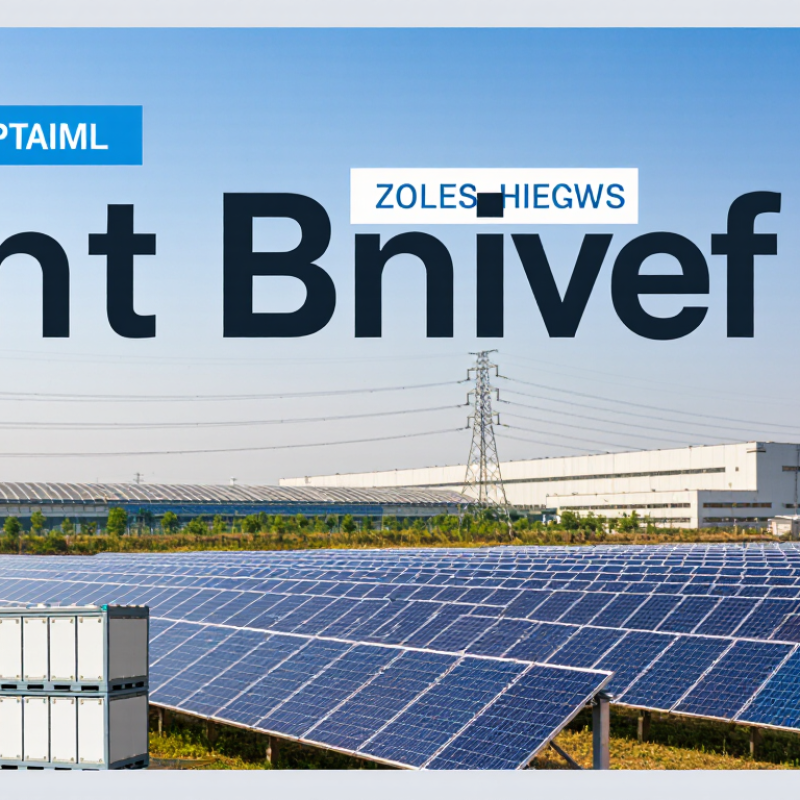
China Added 216.9 GW in 2023 as Global PV Reached 447 GW (IEA PVPS)
China’s solar manufacturing sector became central to the global PV market in 2023. Chinese producers added 216.9 GW of solar capacity during the year. Global PV additions reached 447 GW, according to IEA PVPS. That figure shows the scale of demand facing international buyers.
For procurement teams, production volume is only one part of the decision. A reliable manufacturer should provide verifiable test reports, clear material traceability, and consistent factory quality controls. Buyers should examine module degradation data, temperature coefficients, shipment records, and warranty procedures. Ask for samples before approving a large order. Small differences become expensive across a 100-megawatt project.
The top manufacturers are not always the best fit for every market. Local climate, grid standards, customs requirements, and installation conditions matter. Desert projects need strong heat and dust performance. Coastal sites require careful corrosion evaluation. Factory audits can reveal details that brochures miss. Numbers can mislead. I would also compare response times after a technical complaint, because support quality is difficult to measure before a problem appears. A practical shortlist should balance manufacturing capacity, independent certification, financial stability, and transparent communication. Global buyers may save money through scale, but only when quality remains measurable from factory gate to operating site.
China Top 10 Solar Energy Manufacturers for Global Buyers? - China Added 216.9 GW in 2023 as Global PV Reached 447 GW (IEA PVPS)
The table below presents ten anonymous, buyer-oriented manufacturer profiles commonly found in China's solar photovoltaic supply chain. Company names and brand data are intentionally omitted. Technical figures are indicative ranges for commercially available crystalline-silicon modules and should be confirmed against the current manufacturer datasheet, test report, and contract specifications.
| Rank | Anonymous Manufacturer Profile | Main Cell Technology | Typical Module Power | Typical Module Efficiency | Typical Bifaciality | Common Global Applications | Recommended Buyer Checks |
|---|---|---|---|---|---|---|---|
| 1 | High-volume n-type module producer | TOPCon, monocrystalline silicon | 570–620 W | 22.1%–23.4% | 80%–85% | Utility-scale solar parks and large commercial rooftops | Annual production allocation, degradation warranty, PID resistance, IEC test reports, and bankability evidence |
| 2 | Large-format utility module producer | n-type TOPCon or advanced PERC | 540–660 W | 21.0%–23.5% | 75%–85% | Ground-mounted projects where low balance-of-system cost is important | Module dimensions, mechanical load rating, tracker compatibility, container loading plan, and power tolerance |
| 3 | Premium high-efficiency rooftop producer | n-type TOPCon or back-contact silicon | 430–510 W | 22.0%–24.0% | 70%–85% | Residential and commercial rooftops with limited installation area | Low-light performance, temperature coefficient, roof-load limits, fire classification, and local certification |
| 4 | Cost-focused p-type module producer | PERC, monocrystalline silicon | 400–550 W | 20.0%–21.8% | 70%–75% | Price-sensitive rooftop, agricultural, and distributed-generation projects | Cell sourcing, flash-test consistency, warranty provider, material traceability, and total delivered cost |
| 5 | Glass-glass bifacial module producer | n-type TOPCon or HJT | 540–730 W | 21.5%–23.5% | 80%–95% | High-albedo ground projects, carports, and elevated mounting systems | Rear-side gain assumptions, glass thickness, edge-seal quality, hail testing, weight, and transport handling |
| 6 | Heterojunction module producer | HJT, monocrystalline silicon | 440–730 W | 21.5%–23.5% | 85%–95% | High-yield projects in hot climates and premium commercial installations | Temperature coefficient, light-induced degradation data, production capacity, supply continuity, and warranty terms |
| 7 | Lightweight rooftop module producer | Thin-glass or lightweight crystalline silicon | 350–500 W | 19.5%–22.5% | 70%–85% | Older industrial roofs, membrane roofs, and structures with limited load capacity | Finished-module weight, wind uplift rating, mounting method, fire classification, and roof warranty compatibility |
| 8 | Small-format distributed-generation producer | Monocrystalline PERC or n-type silicon | 350–460 W | 20.0%–23.0% | 70%–85% | Residential rooftops, balconies, small businesses, and community solar | Compatibility with microinverters, connector type, dimensions, residential fire rating, and replacement availability |
| 9 | Special-climate module producer | n-type TOPCon, HJT, or reinforced crystalline silicon | 430–650 W | 20.5%–23.5% | 75%–95% | Desert, coastal, snowy, humid, and high-temperature environments | Salt-mist, ammonia, dust, humidity-freeze, hail, snow-load, and high-temperature test documentation |
| 10 | Project-customized module producer | Configuration selected for project requirements | 350–730 W | 19.5%–24.0% | 70%–95% | Large tenders requiring customized dimensions, packaging, labeling, or electrical design | Change-control procedure, minimum order quantity, delivery schedule, packaging design, serial-number traceability, and factory inspection |
Interpretation: The ranking is a procurement framework based on product relevance for international buyers, not a ranking of named companies. Actual performance depends on cell architecture, module format, operating conditions, installation design, and quality-control procedures.
Reference context: IEA PVPS, “Trends in Photovoltaic Applications 2024,” reports approximately 447 GW of global PV additions in 2023 and 216.9 GW of additions in China. Technical ranges should be verified using the latest product datasheets and applicable IEC standards, including IEC 61215 and IEC 61730.
Related Posts
-
China Top 10 Solar Energy Companies for Global Buyers?
-
How to Choose Solar Power Installation Suppliers?
-
Exploring Solar Energy Innovation Trends at the 138th China Import and Export Fair 2025
-
Top Benefits of Solar Energy for Homeowners?
-
What is Home Solar Energy and How Does It Work?
-
Top 10 Solar Energy Tips for Homeowners in 2026?