4560 Eastgate Pkwy

Mississauga, ON.

1-888-331-3305

416-559-SOLR (7657)

What Are the Top Residential Solar Systems in 2026?

A rooftop system is not a box of panels; it is a long-term energy setup shaped by your roof, utility rules, and daily electricity use. In 2026, the best residential solar systems will pair dependable panels with well-matched inverters, clear warranties, and optional storage. But “best” is not universal. A shaded roof in Seattle needs a different design from a sunny home in Phoenix.

The market is growing, though household economics remain local. The International Energy Agency’s Renewables 2024 report projects nearly 5,500 gigawatts of new renewable capacity worldwide from 2024 to 2030, with solar PV accounting for almost 80% of that growth. In the United States, the SEIA and Wood Mackenzie Solar Market Insight Report, Q4 2024, recorded about 4.7 GWdc of residential installations for 2024, down from the prior year. Those figures show momentum and uneven demand—not a guarantee of savings for every homeowner.

A useful lens comes from IEA Executive Director Fatih Birol: “Solar is the new king of electricity markets around the world.” That broad observation does not settle which equipment suits your home. Panel output, inverter type, battery compatibility, installer quality, and warranty terms all matter. So does the quote in front of you. This guide compares leading residential solar systems in 2026 by performance, reliability, monitoring, and value. We’ll also flag where published specifications can look impressive while real-world results still depend on roof conditions and careful installation. There is no perfect shortlist. That deserves a closer look.
What Are the Top Residential Solar Systems in 2026?

How Residential Solar Systems Are Classified in 2026

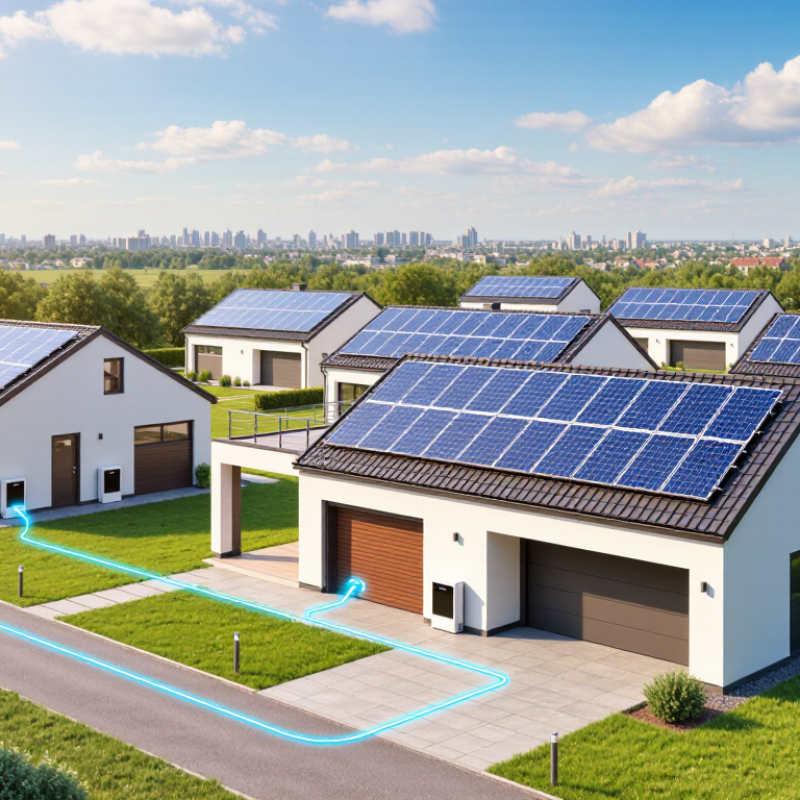
In 2026, residential solar systems are most useful to classify by how they connect to the home and the grid. Grid-tied systems send surplus electricity to the grid, while drawing power when panels produce too little. They are often simpler, but usually stop supplying the home during a grid outage unless designed with backup equipment. That detail is easy to miss.

Hybrid systems combine solar panels with a battery and grid connection. A battery can store midday energy for evening use or provide limited backup during outages. Its capacity, inverter compatibility, and the home’s essential loads all affect what backup can actually do. Off-grid systems operate without a utility connection and need careful sizing, often with larger storage and sometimes a generator. They are less common in ordinary suburban homes.

Systems can also be classified by their power-conversion equipment. A string inverter manages several panels together; microinverters handle conversion at individual panels. The latter may help when roof sections face different directions or experience uneven shade, though added equipment does not automatically mean better results. A site assessment should consider roof orientation, shade, electricity use, and outage needs. These categories overlap, and real installations do not always fit neatly into one box. That is worth remembering.

What Are the Top Residential Solar Systems in 2026? — How Residential Solar Systems Are Classified in 2026

System classification Typical configuration Grid connection Battery storage Power during an outage Commonly suited to
Grid-tied, no battery Solar modules and a grid-connected inverter; household loads use solar power when available, with the grid supplying any shortfall. Connected to the utility grid. Not included. Usually shuts down during a grid outage unless specifically equipped with separate backup functionality. Standard grid-following inverters stop exporting power for safety. Homes seeking to offset electricity use where the grid is reliable and backup power is not a priority.
Hybrid solar with battery Solar modules, a hybrid inverter, a battery, and control equipment; solar can serve loads, charge the battery, or interact with the grid, depending on system settings. Typically connected; some configurations can also operate in an isolated backup mode. Included, with usable capacity determined by the battery and system design. Can supply designated backup loads if the system has suitable isolation, controls, and sufficient stored energy or sunlight. Homes wanting energy storage, backup capability, or greater control over when stored solar energy is used.
Off-grid solar Solar modules, an off-grid inverter, battery storage, and usually a charge controller; a generator may be added for extended low-sun periods. Operates without a utility-grid connection. Essential for storing energy for use when solar production is low or unavailable. Designed to supply the home independently, subject to system capacity, battery charge, weather, and any backup generator. Remote homes or properties where a grid connection is unavailable or impractical.
AC-coupled solar and storage Solar is converted to household AC by a solar inverter; a separate battery inverter manages charging and discharging. Commonly grid-connected; backup operation depends on the installed equipment and design. Can be added alongside an existing solar system. Possible for supported backup circuits when configured for islanding; not guaranteed by the battery alone. Homes adding storage to an existing solar installation, particularly when retaining the original solar inverter is practical.
DC-coupled solar and storage Solar modules and a battery connect on the DC side of a compatible hybrid inverter, which manages conversion and system operation. Commonly grid-connected, with possible backup operation when designed and equipped for it. Integrated into the system design; compatibility depends on the inverter and battery specifications. Can support designated loads if backup isolation and controls are installed; available power and duration are system-dependent. New installations planned to combine solar generation and battery storage under a compatible inverter architecture.

Classification note: These categories describe system architecture, not a universal quality ranking. Actual performance, backup capability, export rules, and financial outcomes depend on equipment specifications, installation design, local regulations, utility tariffs, and site conditions.

Key Components and Configurations of Home Solar Systems

A home solar system is more than a row of panels. Solar modules produce direct-current electricity, while an inverter converts it into power household appliances can use. Mounting rails secure the modules to the roof, and properly sized wiring and protective equipment connect the system safely. Small details matter. Roof condition, shade from a chimney, and the path of afternoon sunlight can all affect the final layout.

Most grid-connected homes use a standard inverter or module-level electronics to manage energy conversion. The right configuration depends on roof shape, shading, and the household’s electricity use. A battery can store surplus daytime power for evening use or provide backup during an outage, if the system is designed for that function. It also adds cost and equipment, so a battery is not automatically the best choice for every home.

Before choosing components, review recent utility bills and note when energy use peaks. A family that runs cooling equipment after sunset may value storage differently from one using most power during daylight. Ask an installer to explain expected production, equipment placement, monitoring, and maintenance in plain language. Estimates are still estimates; weather and changing household habits can shift results. I’d pay particular attention to whether the proposed design accounts for nearby trees that may grow and cast new shade.

Leading Residential Solar System Types and Their Strengths

Residential solar systems differ most in how they handle the grid. Grid-tied systems are usually the simplest choice for reducing daytime electricity purchases. They send surplus power to the grid, subject to local utility rules. Without a battery, most shut down during an outage for safety. The trade-off can surprise homeowners. SEIA and Wood Mackenzie reported 6.8 GW of U.S. residential solar installations in 2023, down 12% from 2022. That market shift makes careful comparison of upfront cost and expected bill savings especially important.

Hybrid systems pair solar panels with battery storage. They can keep selected circuits running during outages, such as a refrigerator, lights, and internet equipment. Battery capacity matters: a small unit will not run every appliance overnight. Off-grid systems suit remote homes with no reliable utility connection, but need larger storage and thoughtful backup planning. Seasonal cloudy weather can complicate sizing. NREL’s Annual Technology Baseline offers useful cost and performance assumptions, but actual results depend on roof direction, shade, local rates, and household use.

Tips: List the appliances you need during an outage, then estimate their daily energy use. Ask installers to show assumptions for winter production and battery replacement. The cheapest quote may leave important gaps.

What Are the Top Residential Solar Systems in 2026?

Residential PV Module Efficiency by Technology

These representative ranges show the share of sunlight converted into electricity by the module. Monocrystalline modules generally offer higher efficiency and need less roof area; polycrystalline modules are an older, typically lower-cost option; thin-film modules are lightweight and flexible but usually less efficient. Actual efficiency varies by product and conditions.

System configurations: Grid-tied systems are usually the simplest and most cost-effective but generally shut down during a grid outage. Hybrid systems pair solar with battery storage for backup and greater energy flexibility. Off-grid systems operate without utility service and require storage sized to meet household demand.

How to Compare Solar Systems for Cost, Output, and Reliability

What Are the Top Residential Solar Systems in 2026?

Compare systems using the same three measures: installed cost, expected annual production, and reliability. Berkeley Lab’s Tracking the Sun 2024 reported a median residential installed price of about $3.3 per watt in 2023, before incentives. Treat that as a reference, not a quote: roof complexity, electrical upgrades, and local labor can change the final price. Ask for the system’s total cost and estimated yearly kilowatt-hours, not just its panel wattage. Check that production estimates use your roof direction, shade, and local weather. A sunny-day estimate alone is not enough.

Reliability is more than a long equipment warranty. Review workmanship coverage, inverter replacement terms, and who handles service if parts fail. Jordan and Kurtz’s review of photovoltaic degradation data found a median decline near 0.5% per year. Actual results vary. Not the whole story. Compare the assumptions behind each estimate, including shading and future tree growth. A clear, itemized proposal is more useful than a polished savings figure. And estimates are still estimates; even careful comparisons leave some uncertainty.

Matching a Solar System to a Home’s Energy Needs and Conditions

Choosing a residential solar system starts with the home, not a headline wattage.

The U.S. Energy Information Administration reports average household electricity use of 10,791 kWh in 2022. That is a useful baseline, not a design target.

Homes with electric heating, an older refrigerator, or a planned electric vehicle may need different system sizes. Review 12 months of utility bills, noting seasonal peaks and expected changes in usage.

Lawrence Berkeley National Laboratory’s Tracking the Sun 2024 reports a 7.4-kW median for residential systems installed in 2023. Median does not mean best.

Roof direction, chimney shade, usable area, and local weather all affect production. NREL’s PVWatts tool estimates output using location, system size, tilt, azimuth, and system losses. Compare its monthly estimates with actual bills, not just annual totals.

Battery storage may suit homes with high evening use or backup needs, but it adds cost. A cloudy winter week can expose an assumption. Leave room for uncertainty: household routines change, and production estimates are not guarantees.