4560 Eastgate Pkwy

Mississauga, ON.

1-888-331-3305

416-559-SOLR (7657)

10 Tips for Choosing Solar Panels for Your Home

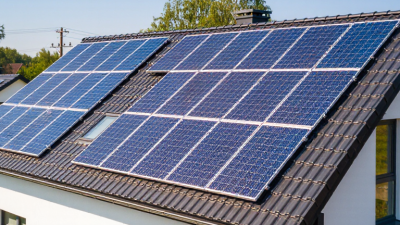
Choosing solar panels for your home is more than comparing glossy product ratings. It means examining your roof’s direction, shade patterns, local weather, electricity use, and available installation space. A south-facing roof may perform well, but nearby trees can quietly reduce annual output. Roof age matters too. Installing panels on a roof needing replacement can create avoidable costs.

Vikram Aggarwal, founder and CEO of EnergySage, offers a practical reminder: “The best solar panel is the one that fits your home, energy needs, and budget.” That idea challenges the common obsession with maximum efficiency. A premium panel may produce more power in limited space, while a less expensive model may deliver better value on a larger roof. Warranties, degradation rates, temperature performance, inverter quality, and installer experience deserve equal attention.

Numbers can mislead.

A panel’s laboratory rating does not guarantee identical performance on a hot, dusty roof. Ask for production estimates based on your actual address, not a generic brochure. Request clear details about labor coverage, monitoring, maintenance, and battery compatibility. Check the company’s certifications and recent customer feedback. I would also question unusually high savings claims; optimistic forecasts are easy to print and difficult to defend. This guide explores ten practical tips for comparing solar panels for your home, while acknowledging an uncomfortable truth: the cheapest quote may become the most expensive decision.
10 Tips for Choosing Solar Panels for Your Home

Assess Your Home’s Solar Energy Needs

Tip: Assess your home’s solar energy needs before comparing panel efficiency. Review twelve months of electricity bills, not just one summer statement. Note your monthly kilowatt-hour use and seasonal changes. A high winter bill may reveal heating demand. Your daily pattern matters too. Homes using more electricity in the evening may need storage or careful system sizing.

Tip: Inspect the roof in person, if possible. Record its direction, pitch, age, and shaded areas. A chimney, nearby tree, or taller building can reduce production. Even partial shade can affect a panel string. I once underestimated morning shade from a neighboring roof; the estimate looked better than real-world output. Solar assessment is never perfectly clean.

Tip: Match the system to future plans. An electric vehicle, heat pump, workshop, or home addition could increase demand. Ask a qualified, licensed installer for a production estimate based on local sunlight and your roof layout. Request assumptions in writing, including shading and annual degradation. Compare the estimate with your actual bills. Do not size the system from roof space alone. Bigger is not automatically better, especially when export rules or household usage patterns limit its value.

Compare Panel Efficiency, Output, and Available Roof Space

Choosing panels starts with your roof, not a glossy efficiency figure. Measure usable roof space, slope, direction, vents, skylights, and shaded areas. A small roof may need higher-efficiency panels to reach your energy target. Yet efficiency alone can mislead. It shows how sunlight becomes electricity under standard test conditions, not your exact afternoon output.

Tip: Mark shade at 9 a.m., noon, and 3 p.m. across different seasons. Trees and nearby buildings can change the calculation.

Compare rated output in watts, then estimate annual energy production for your location. Two panels with similar wattage may perform differently in heat, weak light, or partial shade. Ask for a site-specific estimate including roof orientation, local weather, inverter losses, and expected degradation. An experienced installer should explain assumptions and show the calculation. Check testing documents, safety records, and warranty terms from reliable sources.

Tip: Divide estimated annual kilowatt-hours by total panel area. This rough comparison can reveal wasted roof space. It is not a final engineering result.

Leave access around roof edges, vents, and service equipment. Filling every open area may complicate maintenance and repairs. Review the design after measuring obstructions, because drawings can look cleaner than real roofs. I once underestimated a vent shadow. That mistake mattered. Request another measurement when the estimate seems unusually optimistic. Choose a layout that balances efficiency, output, roof space, safe installation, and future access.

Evaluate Panel Quality, Durability, and Climate Performance

A good solar panel should perform reliably beyond a showroom rating. Check independent certification, power tolerance, temperature coefficient, and published degradation rates. Read the datasheet. Higher efficiency helps when roof space is limited, but it does not guarantee better lifetime output. Examine the warranty terms carefully, including performance measurements, coverage periods, and claim procedures. Vague language deserves caution. Compare test results from recognized laboratories rather than relying on advertisements.

Durability depends on more than thick glass. Look for corrosion-resistant frames, strong seals, and tested resistance to wind, snow, hail, and salt mist. Coastal homes need especially careful corrosion protection. Inspect the mounting plan too, because poor installation can damage even a well-tested panel. Measure the roof. Consider shading from chimneys, trees, and nearby buildings throughout the year. A small shadow can affect an entire panel string, depending on the system design. Real roofs are rarely perfect.

Climate performance requires local thinking. In hot regions, a lower temperature coefficient may preserve more output during summer afternoons. Cold weather usually improves panel efficiency, but snow coverage can eliminate production temporarily. Humid or cloudy areas require realistic estimates, not peak-wattage promises. Ask for modeled annual production using local sunlight data and your roof angle. Check inverter compatibility and ventilation around the panels. Expect some loss. I have seen estimates appear precise while ignoring afternoon shade and seasonal dust. Recheck those assumptions before signing anything.ಳೆಯ

10 Tips for Choosing Solar Panels for Your Home

Evaluate panel quality, durability, efficiency, and climate performance before making a purchase.

The chart uses representative midpoints from commonly published commercial efficiency ranges: monocrystalline 20–23%, polycrystalline 15–18%, and thin-film 10–13%. Actual specifications vary by model and installation conditions.

Temperature performance

Compare the temperature coefficient. A less-negative value generally means less power loss as panel temperature rises.

Durability

Check wind, snow, hail, humidity, salt-mist, and corrosion testing rather than relying on efficiency alone.

Long-term output

Review the documented degradation rate and the expected energy yield for your roof orientation and local climate.

10 Practical Selection Tips

  1. Compare rated efficiency, not just the panel wattage.
  2. Check the temperature coefficient for hot climates.
  3. Review independent durability and environmental testing.
  4. Consider hail, wind, snow, humidity, and salt exposure.
  5. Verify the panel dimensions and usable roof area.
  6. Compare expected annual energy yield for your location.
  7. Review the published degradation rate over time.
  8. Confirm compatibility with the inverter and mounting system.
  9. Ask for installation, maintenance, and replacement costs.
  10. Choose a qualified installer and obtain comparable quotes.

Review Costs, Warranties, Installation, and Maintenance Requirements

10 Tips for Choosing Solar Panels for Your Home

Tip 1: Compare the complete project cost, not only the panel price. Request itemized quotes for panels, inverters, mounting hardware, permits, labor, and grid connection fees. A low estimate may exclude roof repairs or electrical upgrades. Check payment terms carefully. Monthly savings are not guaranteed. Your roof angle, shade, electricity use, and local rates affect the result.

Tip 2: Read both product and workmanship warranties. Product coverage often addresses defects, while workmanship protection covers installation errors. Ask how claims are handled and whether labor costs are included. Review performance guarantees and expected annual degradation. Keep every document. Fine print matters. Also, confirm the installer’s training, insurance, references, and inspection process. A qualified professional should explain cable routing and roof penetrations clearly.

Tip 3: Inspect the roof before signing anything. Older shingles may require replacement first, because removing panels later can add significant labor costs. Ask how long installation should take and who manages permits and inspections. After installation, request system records and monitoring instructions. Maintenance is usually limited, but dust, leaves, snow, and nearby trees can reduce output. Arrange a safe visual check after severe weather, and never climb onto a roof without proper equipment. I would also budget for occasional inverter replacement, even if the sales forecast ignores it. Performance estimates can look impressively precise. They are still estimates.

Choose a Suitable Solar Panel System and Installer

Choosing a suitable solar panel system starts with your home, not a sales brochure. Review twelve months of electricity bills and note your highest-use months. A professional should inspect roof age, direction, shading, and available installation space. Even a small chimney shadow can reduce afternoon production. Ask for an estimate based on local sunlight data, not optimistic assumptions.

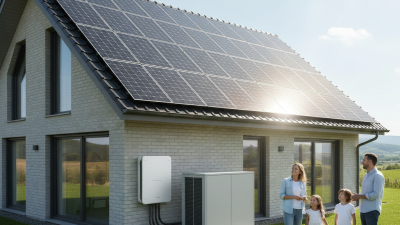
The system should match your daily usage and future plans. Consider panel capacity, inverter performance, battery storage, and electrical panel limits together. Request clear figures for expected annual production and seasonal changes. Ask whether the design allows later expansion. It may not. A larger system is not always better if your roof has limited sunlight or your electricity demand is modest.

Choose an installer who provides licenses, insurance, written warranties, and local project references. Confirm who handles permits, inspections, grid connection, and maintenance. A trustworthy installer should explain technical choices in plain language and show itemized costs. Speak with recent customers, if possible. Check how the crew protects roof tiles, seals penetrations, and leaves the site. I would not select the cheapest quote automatically. My own mistake would be focusing too much on equipment prices and overlooking communication after installation. Ask difficult questions early. Good advice should remain understandable when the numbers become confusing.

10 Tips for Choosing Solar Panels for Your Home - Choose a Suitable Solar Panel System and Installer

No. Selection Dimension Practical Benchmark What to Check Why It Matters
1 Household Electricity Use Review at least 12 months of electricity bills before sizing the system. Identify seasonal demand, future electric vehicles, heat pumps, or home additions. A system based on actual and expected consumption is less likely to be undersized or unnecessarily expensive.
2 Panel Efficiency Residential modules commonly offer approximately 18%–23% efficiency. Compare efficiency at the same rated power and check the panel dimensions. Higher efficiency can produce more power from limited roof space, although it may not always provide the lowest total cost.
3 Available Roof Area Allow additional space for setbacks, access pathways, roof edges, and obstructions. Confirm roof orientation, pitch, structural condition, vents, skylights, and usable dimensions. The usable roof area determines the maximum practical system size and installation layout.
4 Sun Exposure and Shading Prioritize areas with strong year-round sunlight and minimal shading. Request a shade assessment covering trees, chimneys, nearby buildings, and seasonal shadow changes. Shading can reduce energy production and may affect panels connected on the same electrical circuit.
5 Temperature Performance A lower temperature coefficient, often around −0.25% to −0.40% per °C, generally performs better in hot conditions. Compare the temperature coefficient on each panel's technical datasheet. Solar modules usually produce less power as their operating temperature rises above the rated test condition.
6 Durability and Degradation Look for a documented annual degradation rate of about 0.5% or less when available. Review test certifications, weather resistance, mechanical-load ratings, and long-term performance terms. Lower degradation can help preserve energy production over the system's operating life.
7 Inverter and System Design A DC-to-AC sizing ratio around 1.1–1.4 is common, but the final design depends on climate and roof orientation. Compare string, power-optimizer, and microinverter designs for shade, roof complexity, monitoring, and service access. The inverter converts solar electricity into usable household power and strongly influences system performance and monitoring.
8 Warranty Coverage Panel product warranties commonly cover about 10–15 years; performance warranties often cover 25–30 years. Separate product, performance, inverter, racking, roof, and workmanship coverage in the written contract. Different components have different warranty periods, exclusions, claim procedures, and responsible parties.
9 Installer Qualifications Obtain at least three itemized quotations from properly licensed and insured installers where required. Check relevant certifications, local permitting experience, references, insurance, and workmanship coverage. A qualified installer helps reduce design, safety, permitting, roof, and service problems.
10 Total Cost and Payback Assumptions Compare the complete installed price, expected annual generation, incentives, electricity rates, financing, and maintenance costs. Require a written proposal showing system size, estimated production, exclusions, payment schedule, and utility-connection responsibilities. Transparent assumptions make competing offers easier to compare and help avoid misleading savings estimates.

Note: Performance, costs, incentives, permitting requirements, and warranty terms vary by location and project conditions. Verify technical specifications and local requirements before making a purchase.