China Top Solar Panels Innovations and Market Trends Explained?
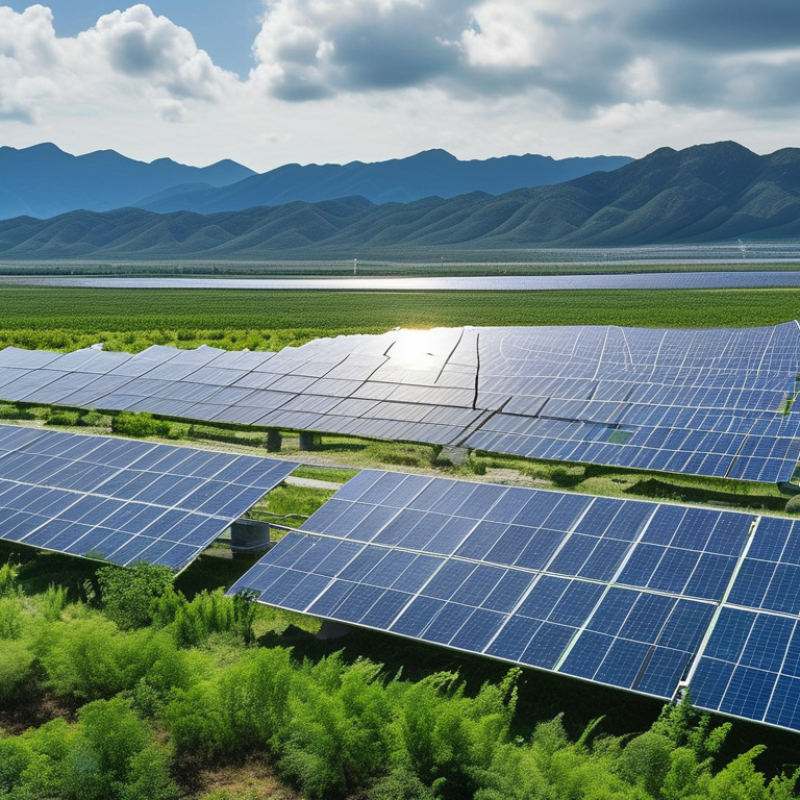
China has emerged as a global leader in solar panels, driving innovations and setting market trends. According to the International Energy Agency (IEA), China accounted for more than 70% of the global solar panel production in 2022. This dominance is reshaping the energy landscape.
Experts like Dr. Lily Zhang, a solar energy researcher, emphasize the rapid advancements. She notes, “Innovation in solar panels is crucial for sustainable energy.” The industry focuses on efficiency and new materials. Recent reports indicate that the average efficiency of solar panels has risen to over 22%.
However, challenges persist. The market faces issues like supply chain instability and environmental concerns related to materials. Stakeholders must address these difficulties while pursuing growth. The journey of solar panels in China reflects both optimism and the need for continual improvement.
China's Leading Innovations in Solar Panel Technology
China's solar panel innovations are reshaping the global energy landscape. Recent advancements focus on efficiency and sustainability. Chinese manufacturers are developing lightweight panels, which are easier to install and transport. These panels also withstand harsh weather.
Emerging technologies like bifacial solar panels capture sunlight from both sides. This can significantly boost energy production. Additionally, there's a push towards integrating smart technology into solar systems. Monitoring apps optimize performance and enhance user experience.
Tips: Consider the environmental impact of your panel choice. Research different materials and technologies to choose wisely. Stay informed about government incentives for solar installation. Balancing efficiency and cost is crucial for a worthwhile investment. The landscape of solar technology is ever-evolving, urging users to adapt.
Key Players in China's Solar Panel Market
China's solar panel market has rapidly grown in recent years. It now leads the world in solar energy production. In 2022, China's installed solar capacity reached over 392 gigawatts. This accounted for approximately 50% of the global total. The growth is driven by advancements in technology and cost reductions.
Key players in this market are essential to understand. Several companies dominate the landscape, continuously innovating their solar technologies. These firms invest heavily in research and development. However, despite rapid advancements, challenges remain. Issues like supply chain disruptions and fluctuating raw material prices can affect production.
Data from industry reports suggest that over 80% of solar panels used globally come from China. This places Chinese manufacturers in a powerful position, but it also increases scrutiny. Concerns over quality standards and environmental impact have arisen. Balancing growth with sustainability will be crucial in the coming years.
Current Trends in Solar Panel Production and Consumption
The solar panel industry in China is evolving rapidly. Innovations are focusing on efficiency and cost-effectiveness.
In recent years, photovoltaic technology has advanced significantly. More manufacturers are adopting bifacial solar panels,
which capture sunlight on both sides. This design increases energy output and maximizes space use.
Moreover, sustainable practices are gaining traction. Companies are investing in recycling programs for old solar panels.
This movement addresses waste concerns and promotes eco-friendliness. However, not all manufacturers are on board.
Some still lag in adopting these practices. This creates gaps in the market that need to be addressed.
Consumer awareness is also changing how products are chosen. People are more informed about energy efficiency ratings.
They seek panels with longer warranties and better performance metrics. Yet, misinformation still exists.
Some consumers may not fully understand what constitutes quality.
This highlights a need for better education in the market.
The Impact of Government Policies on China's Solar Sector
China's solar sector has witnessed remarkable growth, significantly influenced by government policies. The Chinese government introduced various incentives to promote solar energy. These measures include subsidies, tax breaks, and feed-in tariffs. Such support has reduced costs for manufacturers and consumers alike.
However, this rapid expansion has led to challenges. Some local manufacturers struggle to maintain quality control amidst massive production. Additionally, oversupply issues have led to fierce competition among companies. This situation can compromise sustainability and innovation in the industry. Furthermore, policy changes may create uncertainty, causing businesses to rethink their strategies.
The government's commitment to carbon neutrality has propelled further advancements. Investments in research and development are essential for maintaining global competitiveness. Yet, as innovations accelerate, it is crucial for policymakers to ensure that quality and environmental standards keep pace. Balancing growth with these factors is key to long-term sustainability.
China Top Solar Panels Innovations and Market Trends
This chart illustrates the growth in solar panel installations in China over the past five years, highlighting the impact of government policies on the solar sector.
Future Outlook for China's Solar Panel Industry and Innovations
China's solar panel industry is undergoing a remarkable transformation. Innovations in photovoltaic technology are expanding efficiency and reducing costs. In recent years, bifacial panels have gained traction. They utilize sunlight from both sides, maximizing energy production. This advancement promises higher returns on solar investments.
Moreover, integrating artificial intelligence into solar technology offers promising opportunities. AI optimizes energy output and predicts maintenance needs. However, challenges remain. The supply chain can be unpredictable, impacting production schedules. Additionally, the market is becoming increasingly competitive. New entrants and innovations could disrupt established players.
Future trends suggest a shift towards sustainability. More companies are focusing on eco-friendly materials. This shift could reshape consumer preferences. The market might lean toward transparency, urging companies to disclose their environmental impact. While there are bright prospects, ongoing innovation and careful consideration of market dynamics will determine the industry’s success.
China Top Solar Panels Innovations and Market Trends Explained
| Innovation Type |
Description |
Market Trend |
Projected Growth Rate (2024-2029) |
| Bifacial Solar Panels |
Panels that capture sunlight on both sides, increasing energy generation. |
Growing demand in commercial installations. |
18% |
| PERC Technology |
Passivated Emitter Rear Cell technology enhances efficiency. |
Standard in new solar panel designs. |
25% |
| Bifacial Glass |
Durable glass technology improves module lifespan. |
Increasing adoption in residential market. |
20% |
| Floating Solar Farms |
Solar panels installed on bodies of water to save land space. |
Emerging trend in land-scarce regions. |
30% |
| Solar Panel Recycling |
Innovations in recycling end-of-life panels to recover materials. |
Growing focus on sustainability. |
15% |