4560 Eastgate Pkwy

Mississauga, ON.

1-888-331-3305

416-559-SOLR (7657)

Why Choose Professional Solar System Installation?

Why Choose Professional Solar System Installation?

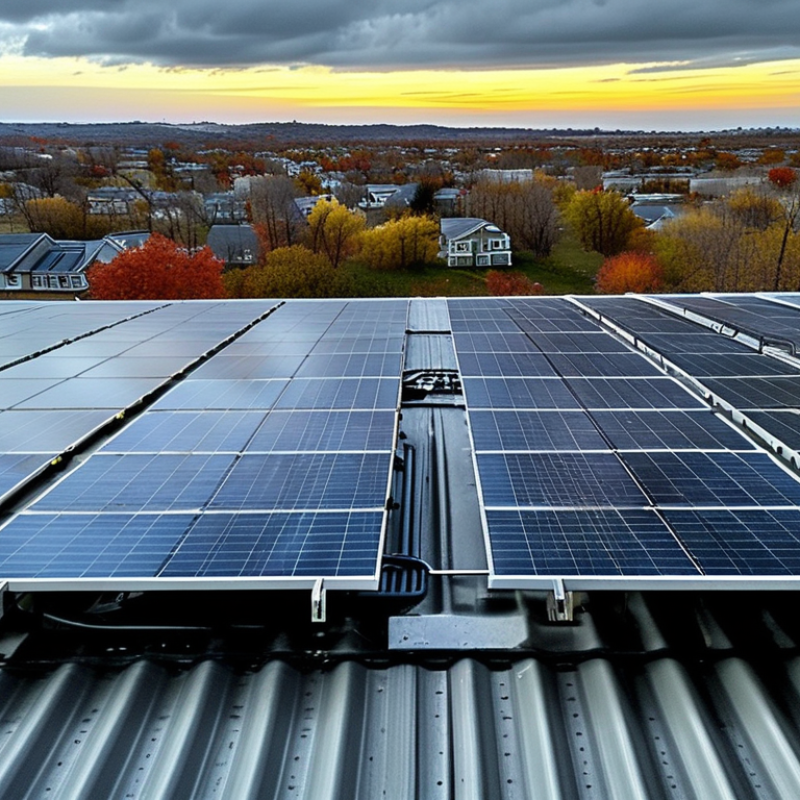
Choosing professional solar system installation is more than hiring someone to place panels on a roof. It is a decision about safety, performance, and long-term value. A qualified installer studies roof structure, shading patterns, electrical capacity, and local weather conditions before recommending equipment. They also design cable routes carefully, reducing exposed wiring and unnecessary energy loss.

Solar educator and author Bill Nussey explains, “A solar system is only as good as its installation.” His observation reflects a practical reality. Even efficient panels can underperform when tilted poorly, shaded unexpectedly, or connected with unsuitable components. Professional teams use calibrated tools, documented procedures, and commissioning tests. They check inverter readings, grounding, monitoring systems, and roof penetrations before leaving the property.

The details matter.

Imagine a home where afternoon shade covers two panels, a loose connector warms beneath the roof, or an app reports incorrect production. These problems may remain invisible until the first hot summer. Experienced installers can identify such risks earlier and explain maintenance requirements clearly. They also provide realistic production estimates instead of promising perfect savings.

Still, professional service is not automatically flawless. Homeowners should verify credentials, warranties, insurance, references, and written proposals. Ask who performs the electrical work. Ask how future repairs will be handled. Some companies communicate poorly, and that weakness deserves attention.

A carefully planned solar system installation should feel understandable, traceable, and supportable. The strongest result is not simply a roof covered with panels. It is a dependable energy system designed for the property, the climate, and the years ahead.
Why Choose Professional Solar System Installation?

What Professional Solar System Installation Includes

Professional solar system installation begins long before panels reach the roof. A qualified team inspects roof age, shading, structure, electrical capacity, and household energy patterns. They may use roof plans, shade measurements, and recent utility bills. This prevents a system that looks impressive but performs poorly. The proposal should explain expected production, equipment ratings, warranties, and likely maintenance.

Installation includes permits, safe roof access, mounting hardware, wiring, inverter placement, grounding, and weather sealing. Technicians should follow local electrical codes and equipment instructions. They also label circuits, protect cables from heat, and test voltage before energizing the system. Afterward, an inspector or utility representative may review the work. Clear records matter. Keep design drawings, test results, and maintenance schedules in one accessible file.

A professional crew explains daily operation in plain language. They show how to read production data, identify warning messages, and shut down equipment safely. Good installers check drainage around roof penetrations and return for corrective work when needed. Small details matter. No site is perfectly predictable. An overlooked tree can change afternoon output, or an old breaker can require redesign. The honest response is to document the issue, discuss options, and revise the plan before work continues. Ask who handles future service, not only who installs the panels.

How Experts Assess a Property and Design the Solar System

Why Choose Professional Solar System Installation?

A professional assessment begins at the property, not in a sales brochure. An installer studies the roof’s age, pitch, orientation, and surface condition. They also inspect nearby trees, chimneys, walls, and seasonal shading. Small shadows matter. A partial shadow can reduce the output of an entire panel string. Roof structure is checked for load capacity, water damage, and safe fixing points. Electrical panels, cable routes, and grounding arrangements receive equal attention.

Experts then compare household electricity use with local sunlight data. They review past utility bills and note daily and seasonal demand. A system designed for summer alone may perform poorly during darker months. Panel placement, inverter capacity, battery storage, and future expansion should work together. Professionals also check planning rules, electrical codes, fire access, and grid connection requirements. These details protect the property and support reliable operation.

No site assessment is perfect. Weather changes, trees grow, and household habits shift. A trustworthy installer explains these uncertainties instead of promising exact savings. They should provide clear design drawings, production estimates, equipment specifications, and maintenance guidance. I have found that overlooked details often create the most expensive corrections. A rushed roof measurement is not enough. Good installation includes careful sealing, tidy cable management, documented testing, and practical advice for monitoring performance after the system is switched on.

Key Stages in the Professional Installation Process

Why Choose Professional Solar System Installation?

Key Stages in the Professional Installation Process

Professional installation turns a roof survey into a working energy system. The process begins with an on-site assessment. Technicians inspect roof age, shading, structure, wiring, and local electrical requirements. They then model expected production using roof measurements and weather data. This step matters. A beautiful layout can still perform poorly under afternoon shade.

Designers create an electrical plan, equipment schedule, and safety documents. Permits and grid-connection applications follow. Requirements differ by location, so rushed paperwork can delay approval. The International Energy Agency Photovoltaic Power Systems Programme reported more than 1.6 terawatts of global photovoltaic capacity by the end of 2023. That scale increases the need for consistent installation quality. After approval, installers mount the support structure, panels, inverter, protection devices, and monitoring equipment. They test voltage, grounding, shutdown functions, and system communication before requesting final inspection.

Tips: Ask for a written production estimate and a clear commissioning checklist. Confirm who handles permits, inspections, and grid approval. Keep roof photos and electrical records. Small details help.

A professional team should explain limitations, not promise perfect output. Weather changes. Soiling happens. Forecasts can miss. The 2024 Lawrence Berkeley National Laboratory Tracking the Sun report found that residential solar prices vary widely by project and market. System size, roof complexity, and added electrical work influence the final cost. An honest installer records these variables and explains future maintenance needs. That transparency is often more valuable than a confident sales claim.

Why Choose Professional Solar System Installation? - Key Stages in the Professional Installation Process

Installation Stage Typical Timeframe* Main Activities Professional Quality Checks Key Output Customer Benefit
1. Energy and Site Assessment 1–3 days Reviews electricity use, roof condition, shading, orientation, available area, and the existing electrical system. Checks structural suitability, access, roof penetrations, cable routes, and potential shading from nearby objects. Site survey and preliminary system requirements Reduces design errors and identifies problems before installation begins.
2. System Design and Yield Estimate 2–7 days Selects the array layout, inverter capacity, mounting method, cable sizes, protection devices, and optional battery storage. Models expected production using roof orientation, tilt, local solar conditions, and estimated system losses. System design, equipment schedule, and production forecast Creates a system matched to the property’s energy needs rather than using a one-size-fits-all layout.
3. Permits and Utility Approvals 2–8 weeks, depending on location Prepares permit drawings, submits applications, and coordinates grid-connection requirements where applicable. Confirms compliance with local building, electrical, fire-safety, and utility rules. Approved installation and interconnection documents Helps prevent approval delays, unsafe connections, and problems during future property inspections.
4. Roof Preparation and Mounting 0.5–2 days Marks the layout, installs racking or mounting hardware, and prepares weatherproof roof penetrations when required. Verifies attachment points, load distribution, alignment, fastener torque, flashing, and water sealing. Secure and weather-resistant mounting structure Protects the roof and provides a stable foundation for long-term system performance.
5. Solar Panel Installation 0.5–1.5 days Positions and secures the photovoltaic modules according to the approved layout and manufacturer installation requirements. Checks module spacing, clamps, alignment, cable management, connector compatibility, and wind-load requirements. Installed solar array Improves reliability, appearance, and resistance to weather-related movement.
6. Electrical Wiring and Inverter Setup 0.5–1.5 days Connects the array to the inverter, installs disconnects and protection equipment, and integrates batteries or monitoring equipment if included. Tests polarity, insulation resistance, grounding, cable routing, terminations, labeling, and protection settings. Completed DC and AC electrical connections Supports safe energy conversion and reduces the risk of electrical faults.
7. Commissioning and Performance Testing 2–6 hours Energizes the system, configures monitoring, verifies operating modes, and records initial performance data. Confirms voltage, current, inverter status, fault detection, monitoring communication, and emergency shutdown operation where required. Operational solar system and commissioning record Confirms that the system is functioning correctly before formal approval.
8. Inspection, Grid Connection, and Handover 1–8 weeks, depending on local scheduling Supports final inspection, completes utility requirements, explains system operation, and provides documentation. Reviews installation against approved plans and confirms safe permission to operate where applicable. Handover pack, operating guidance, and maintenance information Provides a clear operating record and helps preserve eligibility for applicable incentives or export arrangements.
9. Ongoing Monitoring and Maintenance Monthly monitoring; professional review as needed Tracks production, checks alerts, keeps equipment accessible, and responds to faults or performance changes. Compares actual output with expected seasonal performance and inspects visible equipment when required. Performance history and service records Helps identify underperformance early and supports the long service life of the system.

*Timeframes are typical residential ranges and vary by property complexity, weather, permitting requirements, utility procedures, and local regulations.

Safety, Permits, and Compliance in Solar Installation

Choosing professional solar installation is mainly a safety decision, not just a design preference. Qualified crews assess roof loading, wiring routes, shutdown access, and weather exposure before lifting a panel. The U.S. Occupational Safety and Health Administration requires fall protection for many construction tasks at six feet. That height is easy to underestimate on a sloped roof. A loose harness line can become dangerous quickly. It happens fast. The National Renewable Energy Laboratory’s 2024 U.S. Solar Industry Update reported more than 177 gigawatts of photovoltaic capacity installed in the United States by the end of 2023. More systems mean more installations requiring consistent safety controls.

Permits create another strong reason to hire professionals. Local authorities may request structural drawings, electrical diagrams, equipment specifications, and inspection scheduling. Requirements differ by jurisdiction. A responsible installer checks them before work begins, instead of promising approval later. The National Electrical Code includes rapid-shutdown requirements for many photovoltaic systems in the United States. Local amendments may change the details. Missing one requirement can delay interconnection or cause expensive rework. IEA PVPS Task 13 reliability research identifies inverters as a recurring source of system faults, although failure rates vary across datasets.

Professional commissioning should include polarity, insulation resistance, grounding, protective devices, monitoring, and shutdown tests. Clear diagrams should remain near the service equipment. A rushed handover is not professional. I admit paperwork often receives less attention than rooftop work. That weakness deserves scrutiny. Homeowners should ask who holds the license, who schedules inspections, and which test records they will receive. Ask for evidence.

How Professional Installation Supports System Performance and Maintenance

Why Choose Professional Solar System Installation?

Professional installation supports performance long after the panels are switched on. Experienced installers check roof structure, shading, cable routes, and electrical protection before mounting equipment. They also verify torque settings, grounding continuity, insulation resistance, and inverter configuration. These details are easy to overlook. Small errors compound.

The National Renewable Energy Laboratory reports that well-maintained photovoltaic systems often use about 0.5% annual degradation as a planning benchmark. Poor connections, water intrusion, and excessive heat can accelerate losses. Professional commissioning helps identify these problems early through voltage checks, current testing, thermal imaging, and performance monitoring. A clear commissioning record also gives future technicians reliable reference points.

Maintenance starts early. IEA PVPS Task 13 guidance highlights preventive inspections, data review, and timely fault detection as important parts of solar asset management. A professional team can schedule visual inspections, vegetation control, cleaning assessments, and electrical testing according to site conditions. Dusty farmland, coastal air, and snow require different approaches. No installation is flawless. Even experienced crews can miss a loose connector or an unusual shadow. That is why documented inspections and independent performance checks remain valuable throughout the system’s service life.