Top 10 Solar Energy Tips for Homeowners in 2026?
As homeowners navigate the evolving landscape of solar energy, understanding practical tips is crucial. In 2026, solar energy continues to gain traction. Many families are turning to this renewable source, not only for sustainability but also to reduce energy bills. According to Dr. Emily Hayes, a leading expert in solar energy, “Adapting to solar energy is not only smart; it’s essential for our environment.” Her words emphasize the urgent need for change.
Homeowners often feel overwhelmed by new technologies and installation processes. It's common to wonder, “Is solar energy worth it?” Many discover that with the right guidance, solar panels can offer significant savings. However, some still face challenges. Factors like local regulations and upfront costs can be daunting.
Adopting solar energy isn’t just a trend; it's a vital step toward a greener future. The insights shared in this guide will illuminate vital tips. By understanding how to optimize solar energy at home, homeowners can take meaningful action. It's time to explore the possibilities and embrace the solar revolution.
Understanding Solar Energy Basics for Homeowners
Understanding solar energy is crucial for homeowners looking to harness its benefits. Solar energy is the power we get from the sun. This energy can be converted into electricity or heat. Many homes now rely on solar systems for energy savings. However, it can be overwhelming to navigate the options and technologies available.
Homeowners should know the basics of solar panel installation. Panels are usually placed on rooftops to maximize sun exposure. Understanding the position and angle of your roof is important; it can affect energy efficiency. Many homeowners overlook this detail. They may invest in solar panels without assessing their home’s orientation.
Learning about solar incentives can also be beneficial. Different areas offer tax credits and rebates. Research these local benefits carefully. Some homeowners find themselves missing out. It’s easy to get lost in jargon. Terms like "photovoltaic" and "inverters" might sound complex. Breaking down these concepts into simpler terms can make a difference. Homeowners who educate themselves can make informed decisions about their energy future.
Assessing Your Home's Solar Potential and Location
When assessing your home's solar potential, location plays a crucial role. Start by evaluating the exposure your roof gets to sunlight. Look at how trees, buildings, or hills may cast shadows on your roof. Ideally, a roof should face south for maximum sun exposure. Check it in different seasons to understand the light variation.
Another important factor is the angle of your roof. A steep roof can capture sunlight better than a flat one. If your roof isn't ideal, consider ground-mounted solar panels. They can also perform well if placed in full sun. Remember to check local zoning regulations before installation.
Tip 1: Analyze your energy consumption. Knowing how much energy you use helps determine the size of the solar system needed.
Tip 2: Take note of weather patterns in your area. Some locations have unpredictable weather, which may impact solar efficiency.
Tip 3: Research local incentives and rebates for installing solar panels. These can significantly offset initial costs.
Don’t overlook the long-term maintenance of solar systems. Regular upkeep is essential for optimal performance.
Top 10 Solar Energy Tips for Homeowners in 2026
This chart highlights the importance of various solar energy tips for homeowners in 2026, rated on a scale from 1 to 10. Understanding these factors can significantly impact the efficiency and appeal of solar energy solutions for your home.
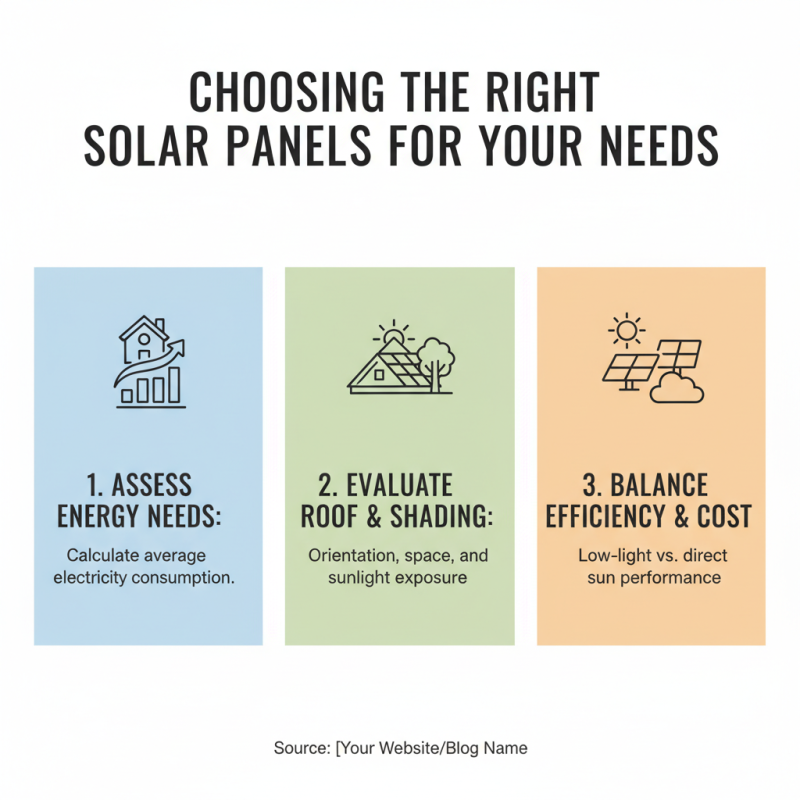
Choosing the Right Solar Panels for Your Needs
When choosing solar panels, consider your specific energy needs. Assess your average electricity consumption clearly before making a decision. Analyze your roof's orientation, shading, and space. Different panels perform better under varying conditions. Some are more efficient in low light, while others need direct sunlight. Look for the right balance between efficiency and cost.
Quality matters greatly. Not all solar panels are created equal. Higher-efficiency panels can generate more power but often come with a steeper price tag. It’s essential to understand warranties and lifespan expectations as well. Panels that degrade too quickly can impact your investment. Reflect on how much you are willing to spend now versus potential savings long-term.
Educate yourself about local regulations and incentives too. Some areas offer tax breaks or rebates for installing solar energy systems. These can influence your budget significantly. Keep in mind that installation should be handled by certified professionals. Poor installation can lead to inefficiencies. Thus, do thorough research on your choices. It’s not just about saving money; it's an investment in the future.
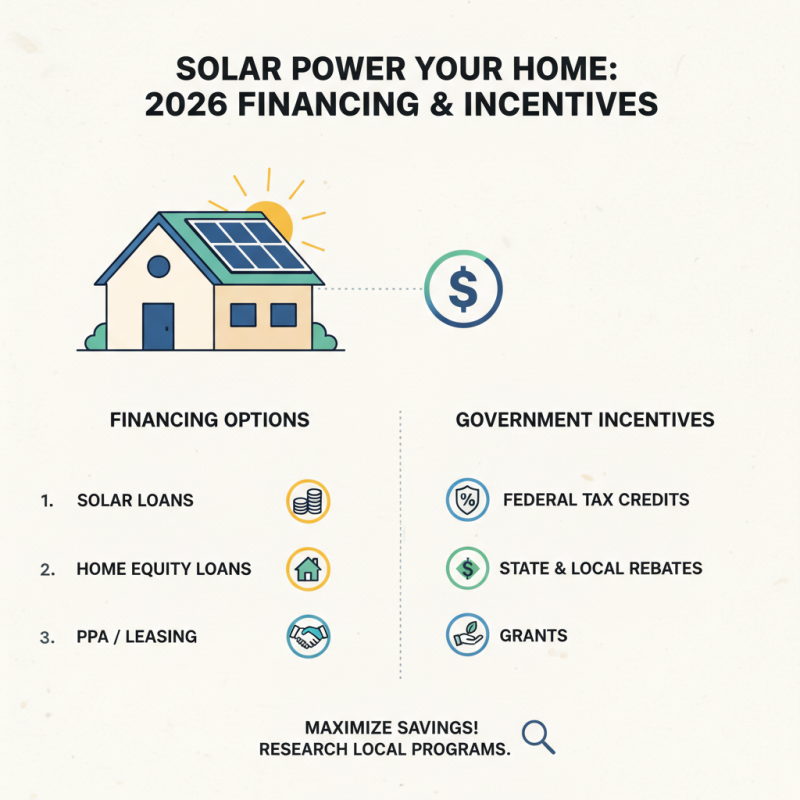
Financing Options and Incentives for Solar Installations
As homeowners consider solar energy installations in 2026, understanding financing options becomes crucial. Many local governments offer incentives for solar projects. These can include tax credits, rebates, and grants. Homeowners should research available programs in their area to maximize savings.
Financing methods are diverse. Some homeowners opt for solar loans or leases. These options can make installations more accessible. However, taking on debt requires careful planning; unexpected costs may arise. Consider the long-term return on investment.
While incentives are appealing, they can also change frequently. It's vital to stay informed about the latest regulations. Missing out on a beneficial program could lead to regret later. Assessing your financial situation before diving into solar is essential. Balancing costs and benefits can help ensure this green investment is truly sustainable.
Maintaining and Optimizing Your Solar Energy System
Maintaining your solar energy system is vital for efficiency and longevity. Regular inspections can help identify issues early. Look for dirt and debris on solar panels. Even a thin layer of dust can reduce energy production. Cleaning them twice a year can significantly increase their effectiveness. You might want to schedule professional cleaning services if you feel it's too much.
Consider monitoring your system’s performance regularly. Many systems have apps that track energy production. If you notice a drop in output, it may indicate an underlying problem. Early detection can save you money on repairs. Think about the angle of your solar panels too. Seasonal changes can affect performance. Adjustments might be needed for optimal sunlight exposure.
Don't forget about your inverter; it's crucial to system performance. Regular checks can help identify any malfunctions. It's important to keep an eye on all components. A neglected part can lead to reduced efficiency. Reflecting on your maintenance routine is key to maximizing solar energy use.
Top 10 Solar Energy Tips for Homeowners in 2026
| Tip # |
Tip Description |
Benefits |
Frequency |
| 1 |
Regularly clean solar panels |
Increases efficiency by removing dirt and debris |
Monthly |
| 2 |
Check inverter performance |
Ensures the system is converting energy efficiently |
Quarterly |
| 3 |
Inspect for shading issues |
Maximizes sunlight exposure for panels |
Biannually |
| 4 |
Monitor energy production |
Tracks system efficiency and alert for issues |
Daily |
| 5 |
Optimize energy usage |
Reduces energy bills and increases self-consumption |
Continuous |
| 6 |
Upgrade to smart technology |
Enhances system's capabilities and management |
As needed |
| 7 |
Evaluate battery storage options |
Increases energy independence and reliability |
Annually |
| 8 |
Plan for future expansions |
Allows for scaling the system as needs grow |
As needed |
| 9 |
Consider seasonal adjustments |
Maximizes performance year-round |
Seasonally |
| 10 |
Consult with professionals |
Ensures optimal system performance |
Annually |