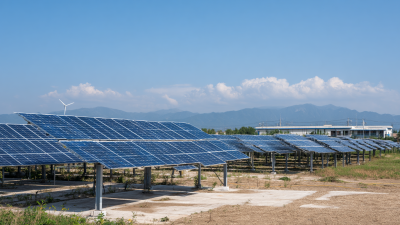
Top 10 Benefits of Home Solar Power Systems You Should Know?
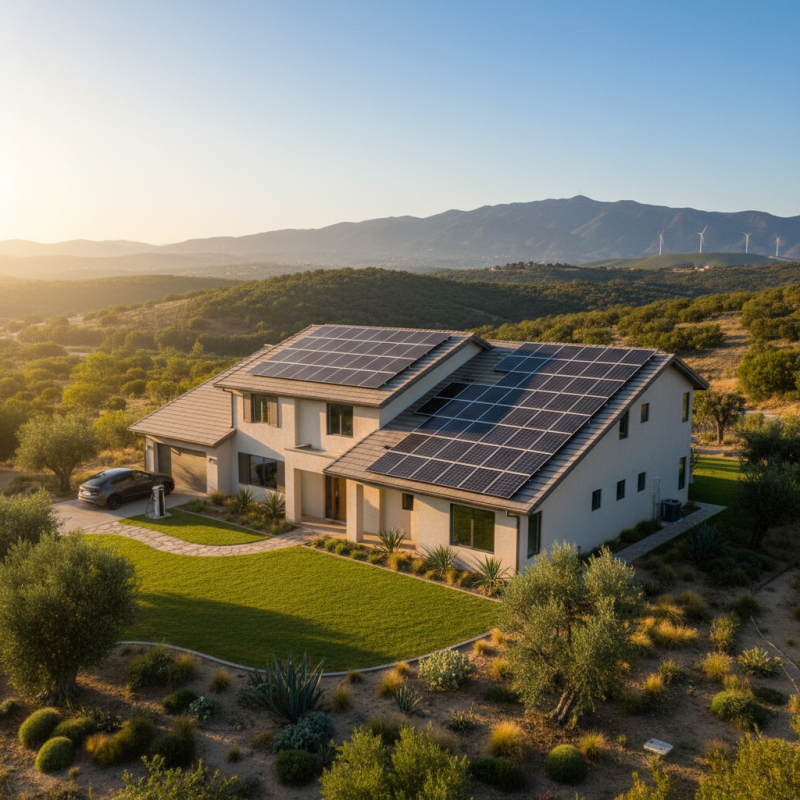
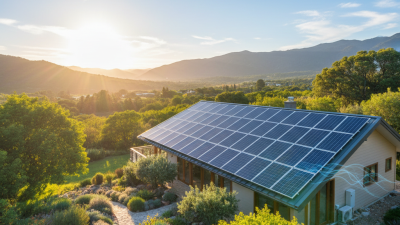
As the world shifts towards sustainable energy, a home solar power system stands out as a reliable choice. These systems harness sunlight to produce clean energy, reducing reliance on fossil fuels. By integrating solar panels into your home, you can significantly lower your electricity bills and enhance your property's value.
However, understanding the full range of benefits is essential. While many focus on the financial aspects, a home solar power system also contributes to environmental conservation. It can lead to reduced carbon footprints for households.
Beyond cost savings, solar systems encourage energy independence. They offer security against fluctuating energy prices. Yet, potential homeowners should consider installation expenses and long-term maintenance. A thoughtful evaluation can help make informed decisions. Embracing solar is not merely a trend; it's a step towards a sustainable future.
Introduction to Home Solar Power Systems
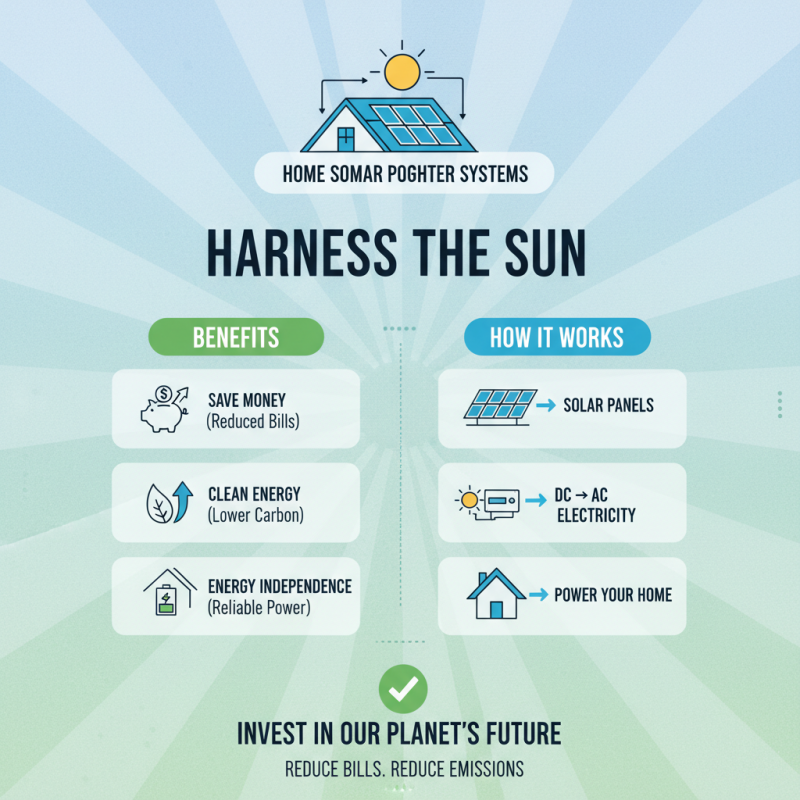
Home solar power systems have gained popularity as energy prices rise. These systems harness sunlight to generate electricity. This means homeowners can reduce their reliance on traditional energy sources. They also contribute to a decrease in carbon emissions. This initiative is not just about saving money; it's about investing in our planet's future.
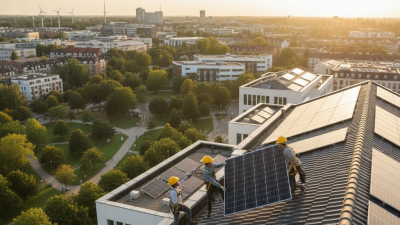
Installing a solar power system involves several considerations. Homeowners need to assess their roof space and orientation. Shade from trees or neighboring buildings can impact efficiency. Battery storage options can enhance usability, particularly during nighttime. Despite these challenges, the benefits can greatly outweigh the drawbacks.
With proper knowledge and planning, many families have found solar power to be beneficial. Yet, some may experience higher upfront costs. It’s essential to state that returns on investment can vary. A thoughtful approach to solar can lead to long-term savings and sustainability.
Cost Savings from Home Solar Power Systems
Home solar power systems offer significant cost savings that can transform your energy expenses. According to the U.S. Department of Energy, homeowners with solar panels can reduce their electricity bills by 50% on average. This is a compelling reason to consider making the switch. Many areas also provide tax credits and rebates, further decreasing initial costs.
One significant financial benefit is the reduction in long-term energy expenses. Once installed, solar systems generate free electricity from sunlight. Over 25 years, a solar power system could save homeowners tens of thousands of dollars. This return on investment can be substantial, especially as utility rates continue to rise.
Tip: Monitor your electricity usage regularly. Identify peak usage times and plan solar energy consumption accordingly. Being proactive can maximize your savings.
It is crucial to understand that installation costs vary. Factors like system size, local incentives, and labor can affect the overall price. A poorly fitted system may lead to inefficiencies. Make informed choices by researching and hiring qualified installers.
Tip: Always get multiple quotes before choosing a contractor. This not only ensures competitive pricing but also helps gauge the quality of services offered.
Top 10 Benefits of Home Solar Power Systems You Should Know
| Benefit |
Description |
Estimated Savings |
| Cost Savings |
Reduce electricity bills by utilizing solar energy for your home. |
Up to 50% savings annually |
| Tax Incentives |
Eligible for federal and state tax credits, reducing overall installation costs. |
Up to 30% tax credit |
| Increased Home Value |
Home solar systems can boost property value significantly. |
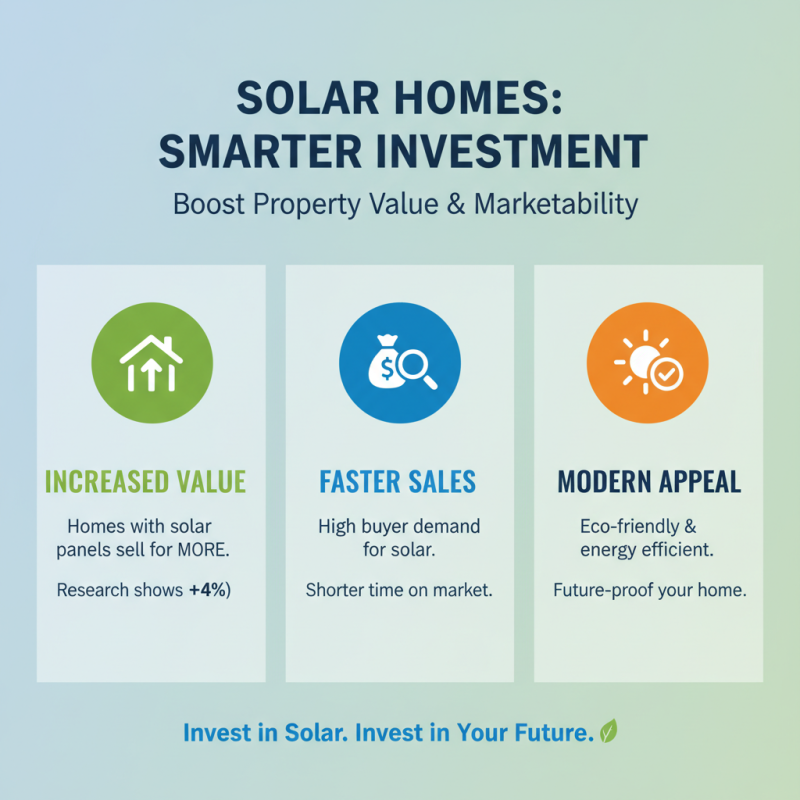
Increases by an average of $15,000 |
| Energy Independence |
Reduce reliance on the grid and protect against rising utility prices. |
Varies based on usage |
| Low Maintenance Costs |
Solar panels require minimal maintenance after installation. |
Negligible yearly costs |
| Eco-Friendly Energy Source |
Solar power contributes to reducing carbon footprint. |
N/A |
| Grid Security |
Solar panels can function independently during grid outages with battery systems. |
Varies based on battery system |
| Job Creation |
Investment in solar creates jobs in manufacturing and installation. |
Supports local economy |
| Renewable Resource |
Solar energy is a sustainable energy source available in abundance. |
N/A |
| Protection Against Future Energy Costs |
Solar power can protect homeowners against unpredictable energy cost increases. |
Potential for significant savings |
Environmental Benefits of Home Solar Energy
Solar energy brings numerous environmental benefits. One major advantage is its potential to reduce greenhouse gas emissions. By using solar panels, homes can generate clean energy and cut reliance on fossil fuels. Each solar installation contributes to a healthier atmosphere, lowering carbon footprints significantly.
Additionally, solar power can help conserve water. Traditional energy generation often requires vast amounts of water for cooling and processing. Solar systems, on the other hand, utilize minimal water. This is crucial in water-scarce regions, preserving a vital resource for communities and ecosystems.
However, there are challenges to consider. Solar production relies on sunlight availability. Days with heavy clouds or rain can limit energy generation. Also, the manufacturing of solar panels has environmental impacts. It's essential to evaluate the entire lifecycle of solar technology. While the benefits are significant, constant reflection on improvements is necessary to enhance sustainability.
Top 10 Benefits of Home Solar Power Systems
Energy Independence and Resilience with Solar Power
Energy independence is a crucial benefit of home solar power systems. By generating your own electricity, you reduce reliance on external sources. This can help shield you from fluctuating energy prices and political instability. Imagine powering your home with sunlight, a resource that is abundant and free. The feeling of autonomy can be empowering, especially during energy crises.
Resilience is another key aspect. Solar power systems offer backup options during outages. When the grid goes down, your solar panels can still provide energy. You can store excess energy in batteries. This means you control your power supply, even in emergencies. However, the installation process can be complex. Homeowners must ensure their systems are properly set up. Regular maintenance is essential for optimal performance.
Potential challenges exist, such as upfront costs and ideal weather conditions. Not every roof is suitable for solar panels. It’s important to evaluate your specific situation. Seek advice from experts to weigh the benefits against any possible drawbacks. Engaging with knowledgeable professionals can guide you through the uncertainties.