Top Solar Power System Benefits and How to Choose One?
The rise of solar power systems has transformed the energy landscape. Many homeowners seek sustainable solutions. These systems can drastically reduce electricity bills. They also contribute to a cleaner environment. Yet, with numerous options available, selecting the right solar power system can be overwhelming.
When considering a solar power system, it’s essential to evaluate various factors. Your location plays a significant role in efficiency. Additionally, understanding the different types of systems can help narrow your choices. It’s not just about cost; durability and performance matter too. Some systems may fall short of expectations. Reflecting on specific needs will guide your decision.
Choosing a solar power system is a personal journey. Each household has unique energy demands. Therefore, careful assessment is vital. Engage with professionals for insights, but do your own research. Balancing efficiency, budget, and installation complexities can lead to a beneficial choice.
Key Advantages of Solar Power Systems for Homeowners
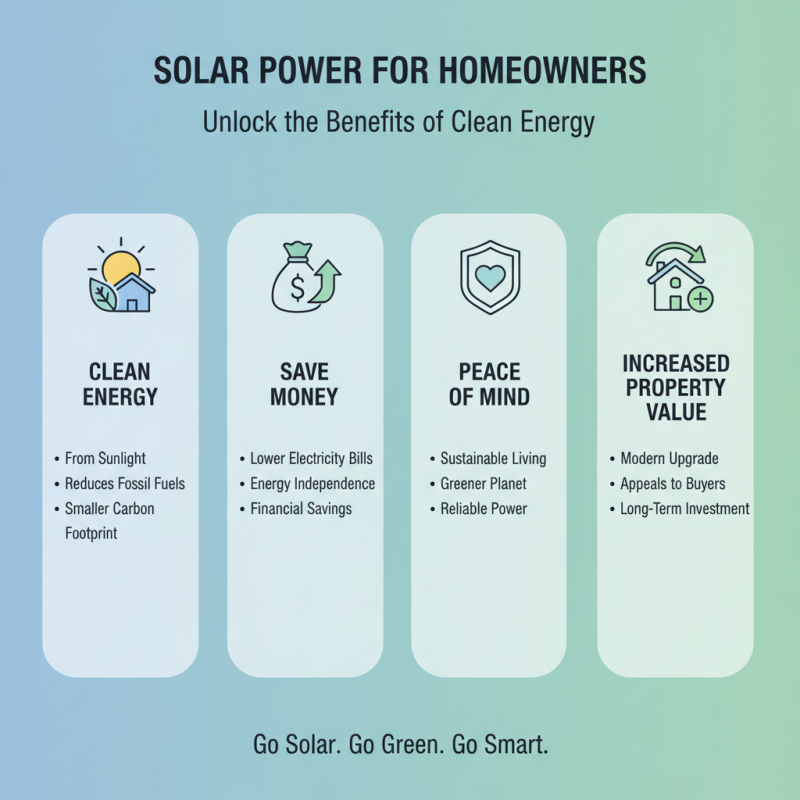
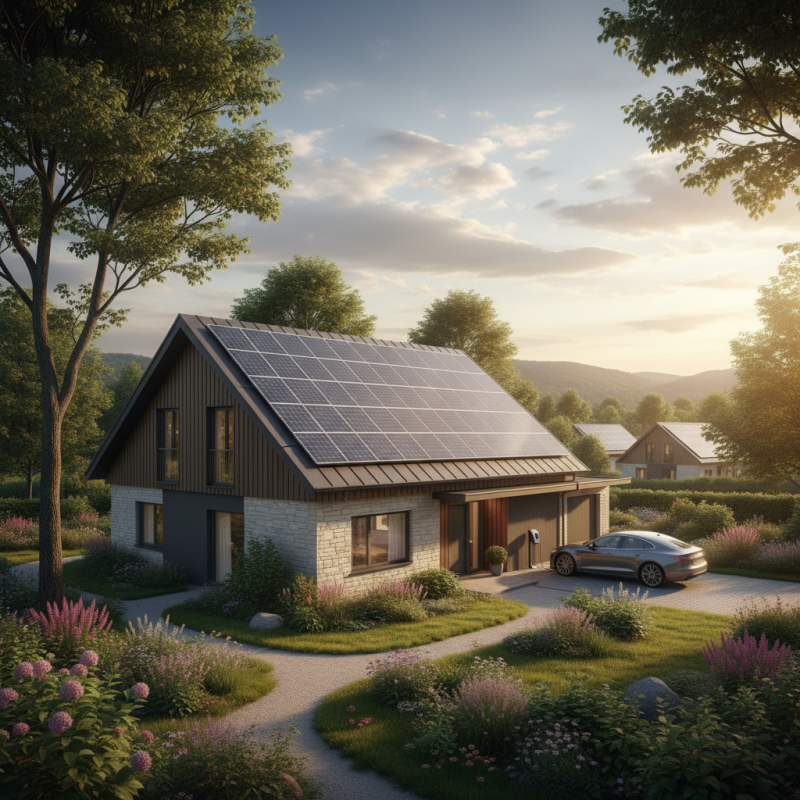
Solar power systems offer numerous advantages for homeowners. They generate clean energy from sunlight, reducing reliance on fossil fuels. This leads to lower electricity bills and a smaller carbon footprint. Many homeowners find peace of mind knowing they are contributing to a greener planet. Moreover, solar systems can increase property value.
When choosing a solar power system, consider your home’s energy needs. Assess your energy consumption to see how much power you actually use. This can help in selecting the right system size. It’s also wise to look into local incentives. Some regions offer tax credits, which can significantly lower your initial costs.
Tips: Research available financing options. There are numerous ways to pay for solar systems, including loans and leases. Evaluate these carefully. Additionally, check the warranties offered by manufacturers. This ensures you have support in case of issues. Remember, not all solar systems are created equal. Take your time to compare features and pricing. It's important to reflect on your decisions and how they fit your lifestyle.
Factors to Consider When Choosing a Solar Power System
When choosing a solar power system, consider your energy needs. Calculate your average energy consumption. This helps estimate how much power you need. Size matters, as too small a system won't meet your needs. Conversely, an oversized system can lead to wasted energy and higher costs.
Think about your roof's orientation and shading. South-facing roofs generally work best for solar panels. If trees or buildings block sunlight, your output will decrease. Check your local regulations; some areas have restrictions on installations. You may need permits, and this can delay your project.
Evaluate costs versus savings over time. An initial investment is significant, but solar can save money in the long run. Multiple financing options exist, but the right choice varies per situation. Factor in maintenance costs as well. While these systems require less upkeep, they are not maintenance-free. Thus, consider your long-term commitment to this renewable energy source.
Top Solar Power System Benefits and How to Choose One?
| Benefit |
Description |
Factors to Consider |
| Cost Savings |
Solar systems can reduce your electricity bills significantly by generating your own power. |
Initial investment, local electricity rates, and available incentives. |
| Environmental Impact |
Solar energy reduces greenhouse gas emissions and reliance on fossil fuels. |
Environmental regulations and personal values regarding sustainability. |
| Energy Independence |
Generate your own power and reduce dependence on utility companies. |
Local energy production capabilities and battery storage options. |
| Increased Property Value |
Homes with solar energy systems often sell for more than those without. |
Market demand in the area and property location. |
| Low Maintenance |
Solar panels require very little maintenance after installation. |
Quality of the installation and warranty options. |
Types of Solar Power Systems Available on the Market
Solar power systems come in several types, each catering to different energy needs.
Grid-tied systems are popular. They connect directly to the local power grid.
This allows homeowners to use solar energy during the day and draw from the grid at night.
According to the U.S. Department of Energy, around 86% of residential solar installations fall into this category.
However, reliance on the grid might not suit everyone.
Off-grid systems offer independence. These setups are not connected to the utility grid.
They often utilize battery storage to ensure energy availability.
The Renewable Energy Laboratory states this type suits remote areas well.
Still, high upfront costs and maintenance can be drawbacks.
Hybrid systems combine both approaches. They allow users to enjoy grid connections while also having storage options.
The choice depends on individual needs and local regulations. The complexity of these systems adds layers of consideration.
Weighing costs versus benefits is crucial.
Not all configurations may yield optimal efficiency in every location.
Understanding these distinctions can lead to better decisions for your energy future.
Understanding Solar Incentives and Financial Benefits
Investing in solar power systems can significantly impact your finances. Many homeowners overlook available solar incentives. These incentives help lower upfront costs and can boost overall savings. Federal tax credits often cover a portion of installation costs. Some states offer additional rebates, making solar even more accessible.
Tips: Research local incentives. They can vary widely. Understanding your area’s offerings is crucial. Many states have attractive programs. Be sure to check deadlines for these incentives. Missing out could cost you.
Solar energy can reduce monthly bills. A well-planned system may lead to energy independence. It also increases your property value over time. However, consider your energy needs carefully. Choosing the right size system is essential. Too large, and you waste money; too small, and it fails to meet your needs.
Tips: Consult with professionals. They can help assess your energy consumption. Don't rush the decision-making process. Take time to explore options and financing plans. They can be complex, but worth it for your financial health.
Top Solar Power System Benefits
Understanding the financial benefits of solar power systems can greatly aid in decision-making. The chart above illustrates estimated benefits, showcasing significant aspects such as cost savings and tax incentives, which contribute to the overall appeal of solar energy solutions.
Tips for Finding Reliable Solar Power System Providers
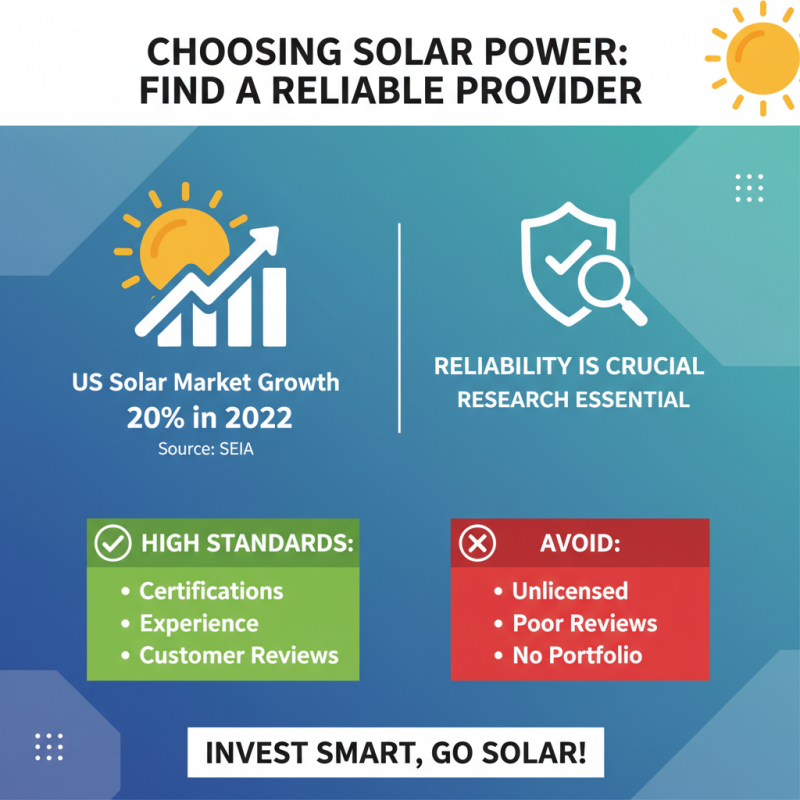
When choosing a solar power system, finding a reliable provider is crucial. According to the Solar Energy Industries Association (SEIA), the U.S. solar market grew by 20% in 2022, indicating increasing demand. However, not all providers meet high standards. Research is essential.
Tips for finding a reliable provider include checking their certifications. Look for those with NABCEP (North American Board of Certified Energy Practitioners) accreditation. This ensures they have the technical skills necessary. Also, examine customer reviews. High ratings and positive feedback on platforms like Yelp and Google can reveal a provider's reputation.
Don’t overlook warranties. A good provider should offer a robust warranty for both the solar panels and the installation. The industry standard is usually 25 years for panels. If a provider offers shorter terms, question their confidence in their products. Transparency is key; ask for detailed quotes and explanations. This approach helps debunk hidden costs. Always compare multiple bids to find the best value. The market is diverse, and you want to find the right fit.