Top Solar Panel System Trends to Watch in 2025 for Homeowners
In recent years, the solar panel system market has experienced unprecedented growth, driven by advancements in technology, financing options, and increasing environmental awareness among homeowners. According to the International Energy Agency, the global capacity of solar energy reached over 940 gigawatts in 2020, and this number is projected to surpass 2,000 gigawatts by 2025. This significant expansion reflects not only the declining costs of solar technologies but also the growing demand for sustainable energy solutions.
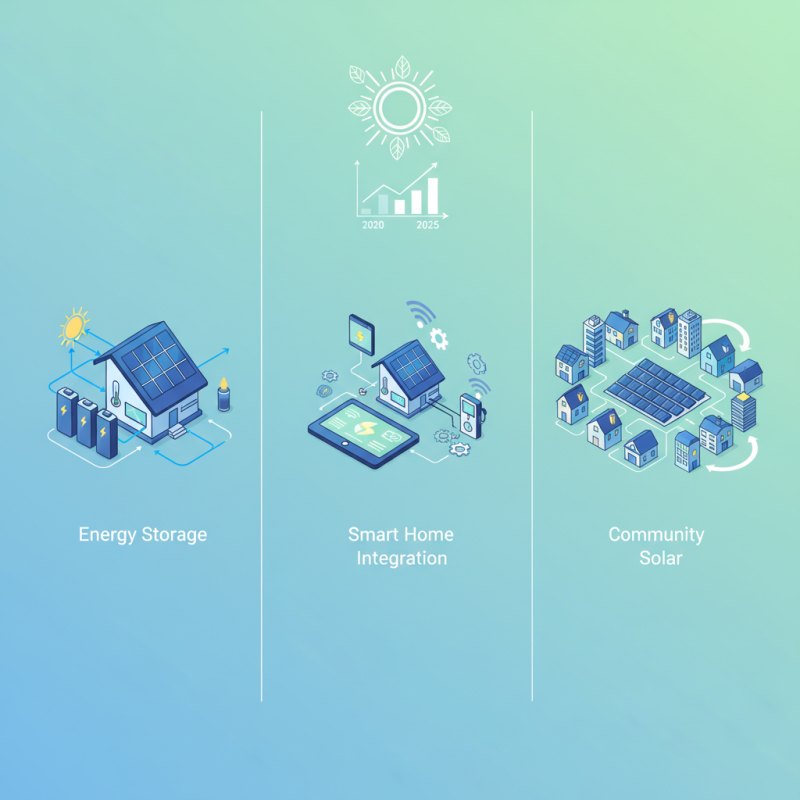
As we look towards 2025, several trends are poised to shape the landscape of solar panel systems for homeowners. Advancements in energy storage technology, for example, provide homeowners with the capability to store excess energy generated during the day for use during peak hours, enhancing energy efficiency and self-consumption rates. Additionally, the integration of smart home technology with solar panel systems is expected to improve energy management and optimization, making it easier for consumers to monitor their energy production and consumption.
Furthermore, the shift towards community solar projects offers homeowners more accessible options to partake in solar energy without the need for individual installations. This trend not only democratizes access to solar power but also encourages collective investment in renewable energy. As homeowners adapt to these emerging trends, the future of solar panel systems appears promising, marking a significant step towards a more sustainable and energy-efficient world.
Emerging Technologies in Solar Panel Systems for Homeowners in 2025
As we look towards 2025, homeowners can expect significant advancements in solar panel systems, driven by emerging technologies that enhance efficiency and expand accessibility. One of the leading trends is the integration of solar panel systems with smart home technology. According to a report by the International Energy Agency, the demand for smart energy solutions is projected to increase by 25% in the next few years. This integration allows for real-time energy management, enabling homeowners to optimize their energy consumption and reduce utility costs.
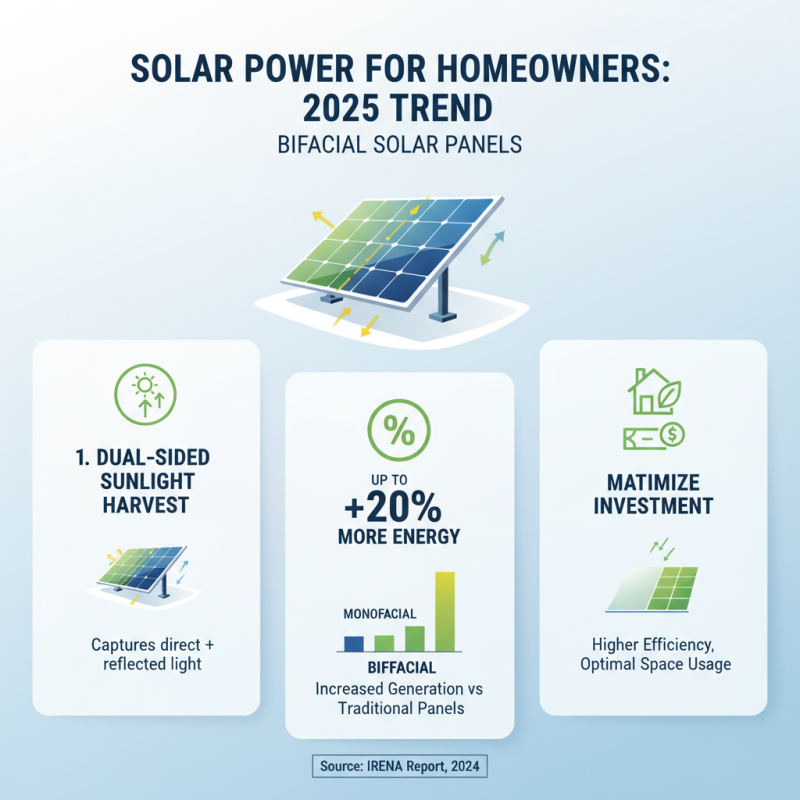
Additionally, innovations in solar panel efficiency are on the rise. Researchers are working on bifacial solar panels that can capture sunlight from both sides, potentially increasing energy output by 15-20%. A recent analysis from the National Renewable Energy Laboratory suggests that by 2025, the average efficiency of conventional solar panels could surpass 25%, providing a lucrative return on investment for homeowners looking to install or upgrade their systems.
**Tips:** When considering solar panel upgrades, homeowners should look for systems that offer high efficiency ratings and compatibility with smart home devices. It’s also beneficial to explore solar battery storage options, which can provide energy independence and further savings. Always consult with a certified solar professional to assess the specific needs of your home and to take advantage of available incentives.
Top Solar Panel System Trends to Watch in 2025 for Homeowners
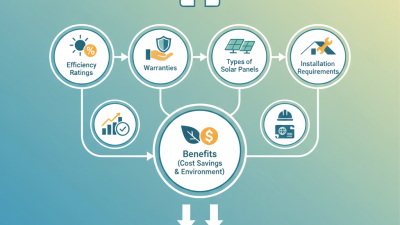
This chart illustrates the anticipated growth in various solar panel system trends for homeowners in 2025. Key areas to watch include efficiency improvements and increased adoption of battery storage, reflecting the ongoing evolution of solar technology.
The Rise of Bifacial Solar Panels: Benefits and Applications
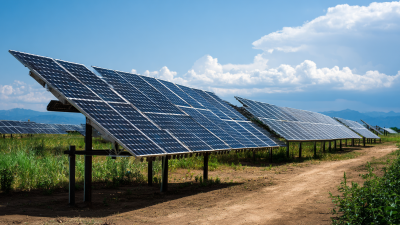
As the solar energy sector continues its rapid evolution, bifacial solar panels are emerging as a significant trend that homeowners should monitor in 2025. These innovative panels, capable of harnessing sunlight from both sides, present a compelling advantage over traditional monofacial systems. According to a recent report by the International Renewable Energy Agency, bifacial panels can increase energy generation by 10-20% compared to their conventional counterparts, thanks to their ability to capture reflected sunlight from surrounding surfaces. This technology not only enhances efficiency but also optimizes the use of available space, making it an attractive choice for homeowners looking to maximize their solar investments.
Moreover, the economic viability of bifacial solar technology is reinforced by its declining cost. The National Renewable Energy Laboratory has reported that the price of bifacial solar panels has dropped significantly, making them a more accessible option for the average homeowner. Coupled with increased incentives for renewable energy systems, the switch to bifacial installations can yield substantial long-term savings on energy bills. Furthermore, as battery storage solutions improve, homeowners can benefit even more from the additional energy generated, allowing for greater independence from the grid. As we look to 2025, bifacial solar panels represent not only a trend but a transformative solution for sustainable energy in residential settings.
Innovative Energy Storage Solutions for Enhanced Home Solar Systems
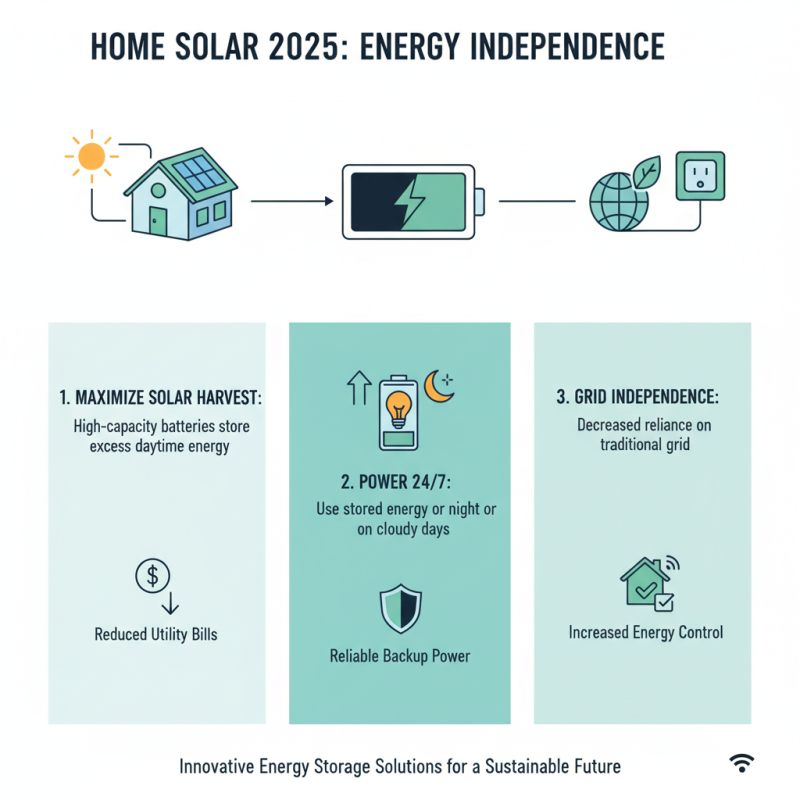
Innovative energy storage solutions are set to revolutionize home solar systems in 2025, providing homeowners with unprecedented control over their energy consumption. As solar technology advances, the integration of high-capacity batteries enables residential setups to store excess solar energy generated during the day for use at night or during cloudy weather. This capability not only maximizes the efficiency of solar panels but also empowers homeowners to decrease their reliance on the grid, leading to reduced utility bills and increased energy independence.
In addition to traditional lithium-ion batteries, emerging technologies such as solid-state batteries and flow batteries are gaining traction. These options promise longer lifespan and enhanced safety features, making them attractive for residential use. Furthermore, innovations in smart energy management systems allow for real-time monitoring and optimization of energy usage, tailoring consumption habits to align with energy availability. As these advanced storage solutions become more accessible, homeowners can expect a significant shift in how they harness and utilize solar energy, ultimately contributing to a more sustainable future.
Smart Solar Monitoring: Integrating IoT for Home Efficiency
As homeowners increasingly seek ways to optimize their energy consumption,
smart solar monitoring is set to revolutionize the way we integrate solar panel systems into our homes.
By leveraging the Internet of Things (IoT), homeowners can now access real-time data about their solar energy production,
consumption patterns, and overall home energy efficiency.
According to a recent industry report by the Solar Energy Industries Association, homes equipped with advanced solar monitoring technology can achieve energy savings of up to
30% annually, as users can make informed decisions based on accurate energy usage information.
Furthermore, the integration of IoT with solar monitoring enhances system performance by allowing for predictive maintenance and troubleshooting.
Homeowners can receive alerts about potential issues before they escalate, ensuring their solar systems operate at optimum efficiency.
A report from Allied Market Research indicates that the global market for smart solar monitoring solutions is projected to grow to
$7.3 billion by 2025, reflecting the increasing demand for intelligent energy management solutions.
Tips for homeowners looking to enhance their solar efficiency include:
- Regularly checking your solar monitoring app to track energy trends and identifying peak usage times.
- Consider implementing automated adjustments, such as scheduling high-energy activities during peak solar production hours.
- Engage with community solar programs that promote shared energy resources and further optimize individual solar investments.
These strategies not only maximize energy savings but contribute to a sustainable energy future.
Government Policies and Incentives Shaping Solar Adoption in 2025
In 2025, homeowners can expect a significant shift in solar panel system adoption largely influenced by government policies and financial incentives. A report from the Solar Energy Industries Association (SEIA) projects that federal tax credits will continue to play a crucial role in boosting residential solar installations. The Investment Tax Credit (ITC), which offers a 26% tax reduction on solar systems, is set to be extended, potentially increasing solar panel uptake by over 20% compared to previous years.
State-level initiatives are also on the rise, with many regions implementing subsidies and rebates specifically targeted at homeowners looking to invest in renewable energy. According to a recent study by the International Renewable Energy Agency (IRENA), states that offer robust incentive programs can see up to a 30% increase in solar adoptions compared to those without these benefits. These policies are not only aimed at reducing upfront costs for homeowners but also at achieving ambitious renewable energy targets, further driving the demand for residential solar solutions. The convergence of favorable legislation and homeowner interest is expected to significantly reshape the solar landscape by 2025.