What is Solar Installation and How Does It Work?
Solar installation has become a vital solution for sustainable energy in recent years. According to the International Energy Agency (IEA), global solar capacity reached over 900 GW in 2020. This rapid growth highlights the increasing popularity of solar energy among consumers and businesses alike. Adopting solar installation not only reduces electricity bills but also minimizes carbon footprints.
Understanding how solar installation works is essential for informed decision-making. Photovoltaic (PV) panels capture sunlight and convert it into usable electricity. The technology has evolved significantly, with advancements increasing efficiency and reducing costs. The National Renewable Energy Laboratory (NREL) estimates that solar generation could account for 40% of the U.S. electricity supply by 2035. However, potential buyers must consider installation challenges and local regulations.
Like any technology, solar installation has its complexities. Homeowners often face obstacles such as upfront costs and maintenance concerns. It is crucial to seek expert advice to navigate these challenges effectively. The transition to solar energy, while promising, requires careful planning and strategy. Understanding these dynamics will empower consumers to make better choices in their renewable energy journey.
What is Solar Installation? An Overview of Solar Energy Solutions
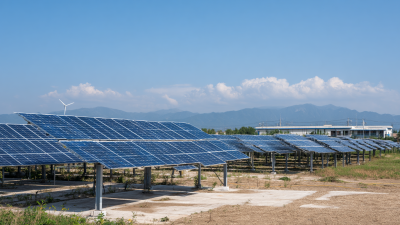
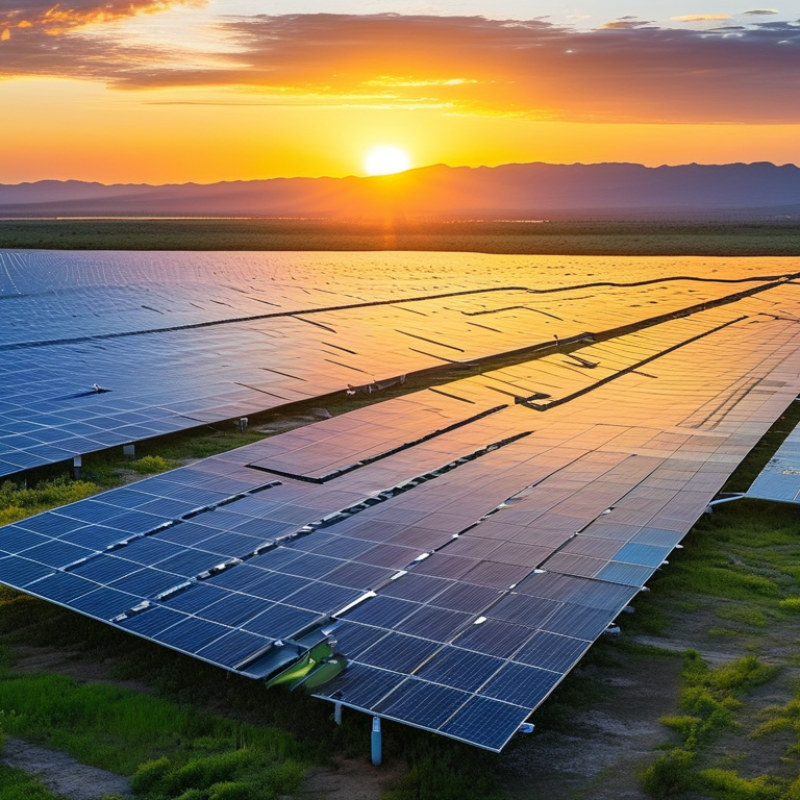
Solar installation is an effective way to harness renewable energy. It involves setting up solar panels on rooftops or open land. These panels convert sunlight into electricity. Solar energy solutions are becoming popular for both homes and businesses. The process is straightforward yet requires careful planning.
Deciding to go solar requires some preparation. Evaluating your energy needs is essential. Not every rooftop is suitable for panels. You might need to trim trees that block sunlight. Additionally, your local climate plays a role in efficiency. Areas with less sun may need more panels.
Tips: Research available incentives in your area. Many governments offer tax credits or rebates. Consider hiring professionals for installation. Their expertise ensures the system is set up correctly. Proper installation maximizes energy production and saves money in the long run. Keep in mind potential maintenance needs for the panels and equipment. Regular checks can prevent costly repairs later.
What is Solar Installation and How Does It Work?
| Aspect |
Detail |
| Definition |
Solar installation refers to the process of setting up solar energy systems, typically solar panels, to capture sunlight and convert it into electricity. |
| Components |
Common components include solar panels, inverters, mounting systems, and batteries. |
| Process |
The installation process typically involves site assessment, system design, permits, installation, and inspection. |
| Benefits |
Benefits include reduced energy bills, increased property value, and environmental sustainability. |
| Types of Systems |
Types of solar systems include grid-tied, off-grid, and hybrid systems. |
| Maintenance |
Solar systems require minimal maintenance, primarily cleaning panels and checking for any issues. |
| Lifespan |
Most solar panels come with a warranty of 25 years and can last even longer with proper care. |
Types of Solar Installations: Residential, Commercial, and Utility-Scale
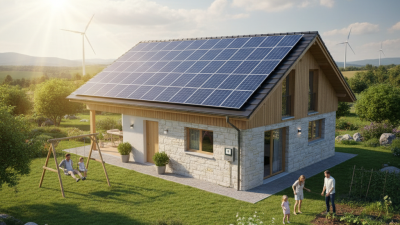
Solar installations come in various forms, each suited for different needs. Residential solar installations are typically smaller systems designed for homes. They often consist of rooftop panels that harness sunlight to power household appliances. Homeowners can reduce electricity bills and lower their carbon footprint with these systems. However, initial costs can be high, leading people to weigh the financial benefits carefully.
Commercial solar installations are larger projects intended for businesses. They can occupy expansive rooftops or even be built on open land. These installations help companies save money on energy and promote sustainability. Businesses may face challenges like space limitations or the complexity of integrating these systems into existing structures.
Utility-scale solar installations are massive projects that generate energy for the grid. These installations can span several acres and utilize advanced technology to capture solar energy efficiently. They play a crucial role in meeting the energy demands of communities. Yet, scaling up these projects often requires extensive planning and investment. Balancing environmental concerns with energy needs is a complex issue that requires careful consideration.
Key Components of Solar Systems: Panels, Inverters, and Mounting Systems
When considering solar installation, it’s essential to understand the key components that make up a solar system.
The solar panels convert sunlight into electricity. They are typically made from silicon cells, which can last for 25 years or more.
However, their efficiency can decrease over time due to environmental factors. Regular maintenance is crucial for optimal performance.
Inverters play a vital role as well. They convert the direct current (DC) produced by the panels into alternating current (AC),
which is used in homes. Not all inverters have the same lifespan; some may need replacing sooner than others.
This can lead to unexpected costs if not planned.
Mounting systems are equally important. They secure the panels to the roof or ground. A poorly installed mounting system can lead to damage during storms or high winds.
Attention to detail is necessary during installation to avoid these issues. Every component matters in the overall efficiency and longevity of the system.
The Solar Installation Process: Steps from Site Assessment to Activation
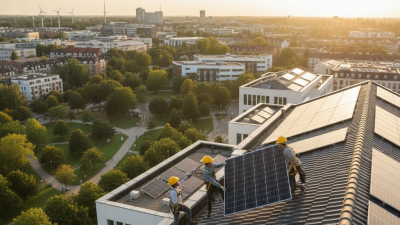
The solar installation process begins with a comprehensive site assessment. A qualified professional evaluates the location, checking factors like sunlight exposure and roof condition. This is critical, as proper sunlight can increase system efficiency by up to 30%. During this stage, the installer might recommend specific adjustments to the site. Choosing the correct orientation and angle can result in significant long-term benefits.
Once the assessment is complete, the design phase follows. Engineers design a tailored solar system optimized for energy production. They consider local regulations and building codes, which adds a layer of complexity. A recent report revealed that over 25% of installations face setbacks due to regulatory issues. Installation typically includes mounting the panels, connecting wiring, and integrating the inverter. Each step must adhere to safety protocols. Quality installation is essential; mistakes can reduce system performance by about 15%.
Finally, the activation involves the inspection and connection to the grid. Some systems require utility approval before they can operate. Testing for any technical issues is crucial to ensure optimal function. While the entire process can seem straightforward, unforeseen challenges may arise. Installers must stay flexible and responsive to adapt their strategies during installations, ensuring a balance between efficiency and compliance.
Benefits and Challenges of Solar Installation: Efficiency, Costs, and Incentives
Solar installation has become a popular option for homeowners and businesses seeking renewable energy. The technology primarily harnesses sunlight using photovoltaic cells. These cells convert light into electricity, which can power homes, reduce energy bills, and decrease carbon footprints. However, understanding efficiency and costs is essential for potential users.
The efficiency of solar panels can vary. Most systems convert 15-22% of sunlight into usable energy. Poor installation or shading can lower this efficiency further. Costs remain a significant challenge. Initial investments can be high, despite decreasing prices over recent years. Installation labor and permitting can complicate the financial aspect.
Incentives often help mitigate these challenges. Tax credits and rebates make solar more accessible. Yet, navigating these incentives can be confusing. Homeowners may also face maintenance and performance issues. Understanding local regulations and potential obstacles is crucial. Evaluating both the benefits and challenges is part of informed decision-making.