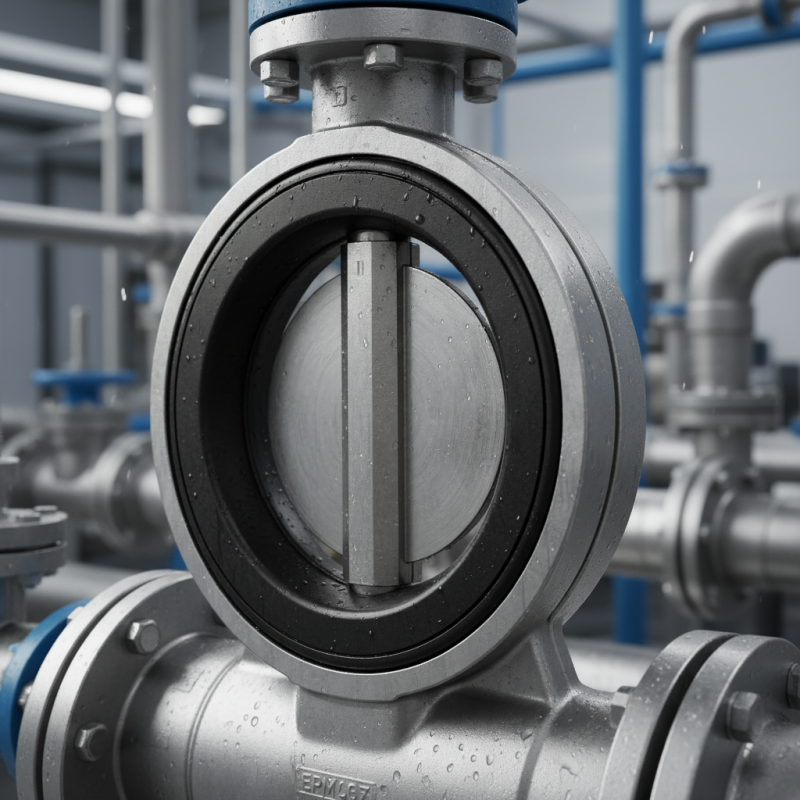
Why is Butterfly Valve Seal Essential for Industrial Applications?
In industrial applications, the importance of the Butterfly Valve Seal cannot be overstated. This component ensures effective control of fluid flow. A reliable seal prevents leaks and safeguards system efficiency.
Many industries utilize butterfly valves, from water treatment to chemical processing. Each application demands precision and durability. A faulty seal can lead to significant operational challenges. It may result in costly downtimes and safety hazards.
Understanding the vital role of the Butterfly Valve Seal is essential. It enhances performance while reducing maintenance costs. Failure to recognize its importance can lead to severe repercussions. Reflecting on these aspects is crucial for ensuring safety and efficiency in industrial operations.
Importance of Seals in Butterfly Valves for Industrial Use
In industrial applications, butterfly valves are vital for controlling fluid flow. The seal is crucial for their efficiency. A reliable seal prevents leaks and ensures smooth operation. Without it, performance can falter. High-quality seals enhance durability and reduce maintenance needs.
Tips: Regularly inspect seals for wear. Replacement at the first sign of damage can save costs.
Beyond performance, the seal impacts energy efficiency. A faulty seal can lead to increased energy consumption. This inefficiency may go unnoticed until substantial costs accumulate. A well-functioning seal minimizes wasted resources.
Tips: Consider the operating conditions when selecting seal materials. Temperature and pressure play critical roles in seal longevity.
Seals must fit precisely in the valve body. Improper fitting can compromise performance and safety. Ensure that the installation process is meticulous. Sometimes, a small oversight can have significant repercussions. Regular training for maintenance staff can help prevent these issues.
Types of Seals Used in Butterfly Valves and Their Functions
In industrial applications, the seal in a butterfly valve plays a critical role. It ensures proper closure and prevents leakage, making it essential for system integrity. Different types of seals are used in butterfly valves, each designed for specific functions and environments.
Common seal types include:
- Rubber: Provides excellent flexibility and is often used in water applications.
- PTFE (Polytetrafluoroethylene): Known for its chemical resistance, ideal in harsh environments.
- Metal: Offers durability against high temperatures and pressures, though less common.
It’s vital to select the right seal type to match the application requirements. Tips: Regular maintenance can prolong seal life. Inspect seals for wear or damage routinely. Choosing the wrong seal can lead to costly failures. Always consider the fluid type and operating conditions. Ensure that installation is precise. A poorly installed seal can fail, compromising the entire system and leading to potential downtime.
Factors Affecting Seal Performance in Industrial Environments
In industrial applications, the seal performance of butterfly valves can greatly affect system efficiency. Factors like temperature, pressure, and material compatibility play crucial roles. According to a report by the American Society of Mechanical Engineers, improper sealing can lead to leakage rates of up to 10% in some systems. This can compromise safety and lead to costly downtime.
Temperature fluctuations are a significant challenge. High temperatures can degrade seal materials, reducing their effectiveness. A study from the International Journal of Fluid Mechanics highlighted that seals can fail at temperatures exceeding 200°C. Additionally, pressure variations stress seals differently, affecting their longevity. Seals that are not properly matched to their operating conditions may fail prematurely, causing operational disruptions.
Material selection is another critical factor. Common materials include EPDM, PTFE, and nitrile rubber. Each has its strengths and weaknesses depending on the fluid being sealed. For example, PTFE offers excellent chemical resistance but may not handle mechanical wear as well as nitrile. Understanding the specific environmental conditions is essential for optimal seal performance. Ignoring these details can lead to unexpected failures, impacting productivity and safety.
Maintenance Practices for Ensuring Butterfly Valve Seal Integrity
Butterfly valves are widely used in various industrial applications due to their efficiency and ability to control flow. However, maintaining the seal integrity of these valves is crucial. An ineffective seal can lead to process leaks, which may result in significant downtime. According to the Fluid Control Systems Report, up to 30% of fluid leakage incidents in industrial systems can be traced back to faulty valve seals. This underscores the need for diligent maintenance practices.
Regular inspections are essential for identifying seal wear or damage. Industry experts recommend visual checks every six months. It is also advisable to conduct pressure tests annually. These practices can help detect issues before they escalate. Lubrication should be performed regularly based on the environment and operating conditions. In challenging environments, such as extreme temperatures or corrosive atmospheres, additional attention is necessary.
Using high-quality seals designed for specific applications can improve performance. However, not all seals are equal, and selecting the wrong type can lead to repeated failures. Research indicates that improper installations are responsible for nearly 20% of valve failures. This highlights the importance of training personnel involved in maintenance. Effective training can lead to better seal installation practices, reducing the risk of leaks and ensuring proper valve operation over time.
Why is Butterfly Valve Seal Essential for Industrial Applications? - Maintenance Practices for Ensuring Butterfly Valve Seal Integrity
| Parameter | Importance | Maintenance Frequency | Common Issues | Recommended Practices |
| Seal Material | Ensures leak-proof operation | Annual inspection | Wear and tear | Use compatible materials |
| Seal Design | Affects flow control | Before major operations | Improper sealing | Follow manufacturer specs |
| Installation Quality | Prevent premature failure | After installation | Non-uniform pressure | Ensure correct alignment |
| Operating Conditions | Influences seal lifespan | Monthly checks | Excessive temperature | Monitor environment closely |
Applications of Butterfly Valve Seals in Various Industries
Butterfly valve seals play a crucial role in various industrial applications. These seals ensure a tight closure, preventing leaks during fluid control. Industries like water treatment and HVAC systems depend heavily on these seals. In water treatment, effective sealing is vital to avoid contamination. A leaking valve can compromise water quality, presenting significant risks.
Another key application is in the food and beverage industry. Hygiene is essential, and butterfly valve seals help maintain clean flow paths. Properly functioning seals prevent cross-contamination of products. However, not all seals perform the same under different pressures and temperatures. Evaluating materials is necessary for specific applications.
In the oil and gas sector, seals are essential for handling corrosive substances. A failure here can lead to hazardous spills. Thus, regular maintenance and checks are imperative. Industries must invest in high-quality seals to enhance safety and efficiency. Getting this right often requires expert input. Understanding the unique challenges of each application is vital for success.