How to Choose the Best Solar Panels for Your Home: A Complete Guide
Choosing the best solar panels for your home can feel overwhelming, given the multitude of options available in the market today. As Richard Smith, a leading expert in renewable energy, aptly states, "The right solar panels not only reduce your carbon footprint but also enhance the value of your home." With the increasing focus on sustainable living and the potential for cost savings, homeowners are motivated to invest in solar technology.
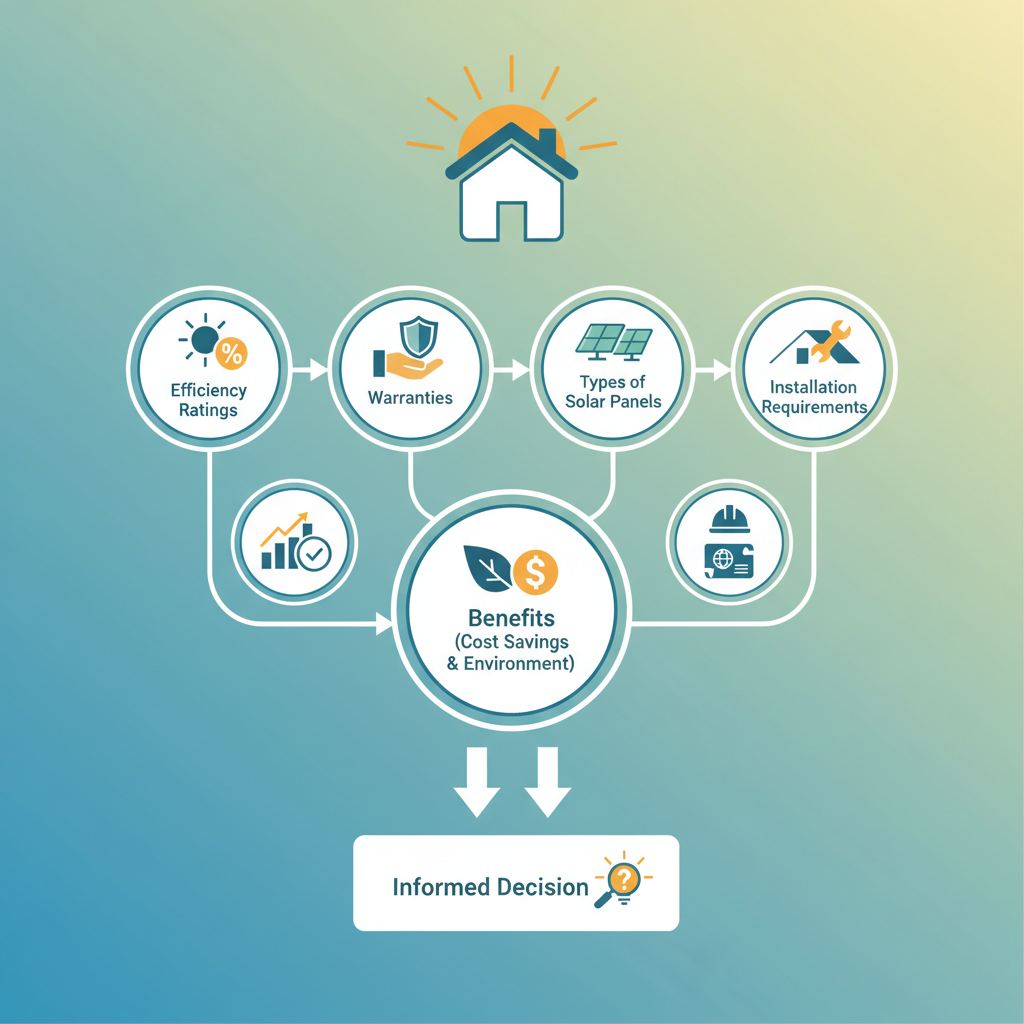
In this complete guide, we will navigate through the features, benefits, and considerations needed to select the optimal solar panels suited to your specific energy needs. From understanding the different types of solar panels and their efficiency ratings to evaluating warranties and installation requirements, our goal is to empower you with the knowledge necessary to make an informed decision. As the demand for solar energy continues to rise, being well-informed will ensure that your choice yields maximum benefits for both your household and the environment.
Understanding Your Energy Needs and Goals
When choosing the best solar panels for your home, it's crucial to first assess your energy needs and goals. According to the U.S. Energy Information Administration (EIA), the average American household consumes about 877 kWh per month, which translates to roughly 10,500 kWh annually. Understanding your energy usage patterns can significantly impact the type of solar panel system you choose. By evaluating your past electricity bills, you can estimate how much energy you require and thereby determine the size of the solar array needed to meet your consumption.
Additionally, consider your future energy goals. If you plan to add more appliances or switch to an electric vehicle, you may want to factor in additional energy demands. The National Renewable Energy Laboratory (NREL) suggests that households aiming for energy independence should look into solar systems that can generate 100% of their electricity needs. This often requires not just the right type of solar panels, but also an understanding of local solar incentives and the potential for energy storage solutions to maximize the effectiveness of your investment. Commit to a comprehensive energy audit and discussion with solar professionals to align your system with both current and future needs.
How to Choose the Best Solar Panels for Your Home: A Complete Guide
| Criteria |
Description |
Importance |
Estimated Cost |
| Efficiency |
The percentage of sunlight converted into usable electricity. |
High |
$0.70 - $1.00 per watt |
| Durability |
Ability to withstand harsh weather conditions. |
Medium |
$100 - $200 for larger models |
| Warranty |
The length of time a product is guaranteed to function optimally. |
High |
$0 - $50 (included in purchase) |
| Cost |
Total investment for purchasing and installing the panels. |
High |
$15,000 - $25,000 (for a typical home) |
| Type |
Different technologies including monocrystalline, polycrystalline, and thin-film. |
Medium |
$0.50 - $1.20 per watt |
Types of Solar Panels: Comparing Efficiency and Cost
When selecting solar panels for your home, understanding the various types available is crucial for making an informed decision. The three main types of solar panels are monocrystalline, polycrystalline, and thin-film.
Monocrystalline panels are known for their high efficiency and sleek appearance, making them a popular choice. They typically convert 15-22% of sunlight into electricity and occupy less space compared to other options. However, they also tend to be the most expensive.
Polycrystalline panels, on the other hand, are generally more affordable and have a slightly lower efficiency rate, ranging between 13-16%. These panels are made from multiple silicon crystals, which gives them a blue hue and a less uniform look. They may require more roof space to produce the same amount of electricity as monocrystalline panels.
Lastly, thin-film panels offer the advantage of flexibility and a lightweight design, making them easier to install. However, their efficiency is the lowest, typically around 10-12%, and they require more space to generate the same output as the other types. Each panel type presents its own set of advantages and considerations in terms of cost and efficiency, making it essential to assess your specific needs and budget before making a choice.
Key Factors to Consider When Selecting Solar Panels
When selecting solar panels for your home, several key factors should be carefully considered to ensure you make the best investment.
First, evaluate the efficiency of solar panels, which is crucial as it directly influences how much electricity the panels will generate from sunlight.
Higher efficiency panels can produce more energy in a smaller space, a significant advantage for homes with limited rooftop area.
Additionally, consider the durability and warranty period offered by manufacturers, as solar panels are a long-term investment and should withstand various weather conditions.
Another important aspect is the type of solar panel technology, such as monocrystalline or polycrystalline, each with its benefits and drawbacks.
Monocrystalline panels are generally more efficient and space-saving but may come at a higher cost.
Furthermore, assess the available incentives and rebates in your area, as these can significantly reduce the overall expense of the installation.
With the growth of the solar market and advances in technology, choosing the right solar panels is no longer a daunting task; it requires a thoughtful approach based on efficiency, durability, technology type, and local financial incentives.
Evaluating Warranty and Lifespan of Solar Panels
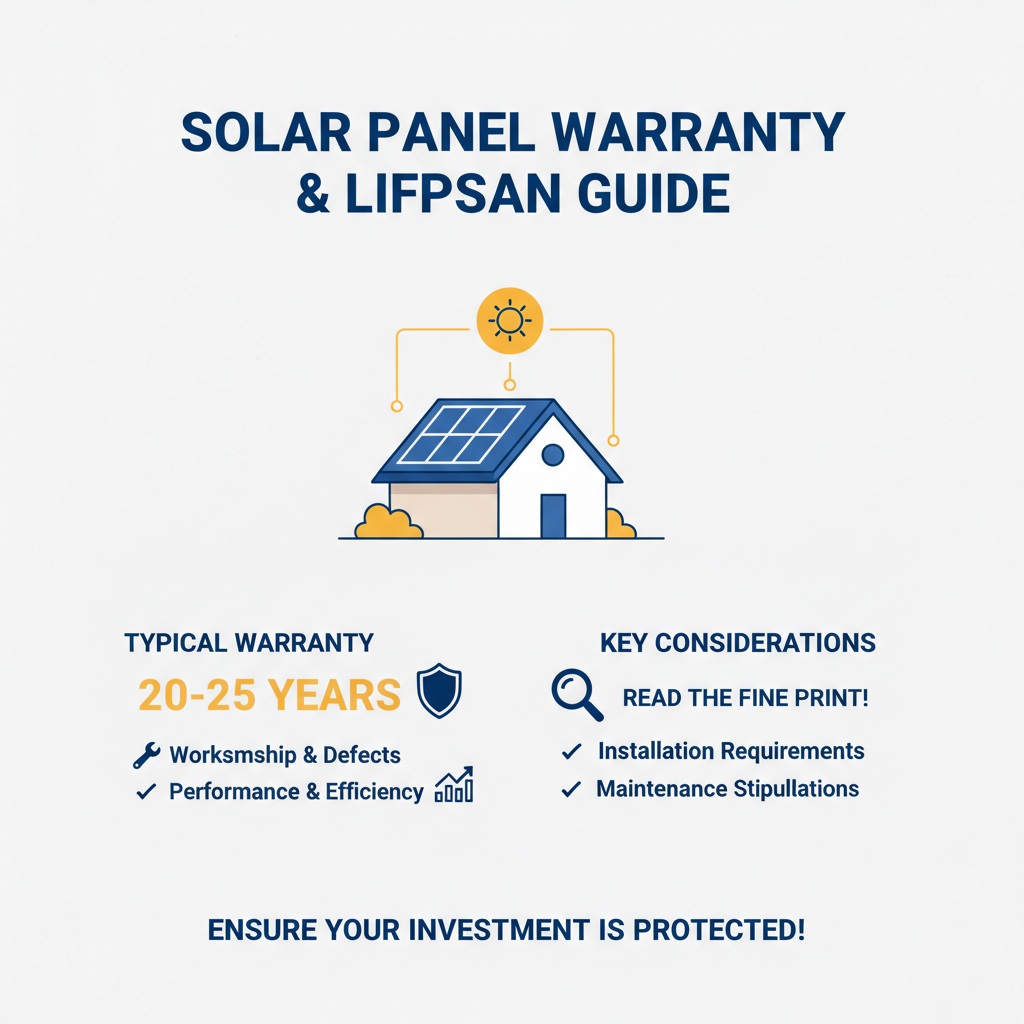
When selecting solar panels for your home, evaluating warranty and lifespan is crucial for ensuring a worthwhile investment. The warranty typically reflects the manufacturer’s confidence in their product, with most reputable brands offering warranties that range from 20 to 25 years. This coverage often includes both the workmanship and the performance of the panels, which means that any defects or significant drops in efficiency should be addressed by the manufacturer. It's essential to read the fine print, as some warranties have stipulations regarding installation and maintenance that might affect your coverage.
Lifespan is another vital factor in your decision-making process. Solar panels are designed to last between 25 to 30 years, but their performance can decline over time. Many manufacturers provide performance guarantees that assure the panels will still produce a certain percentage of their initial efficiency, often around 80% after 25 years. Understanding these metrics allows homeowners to assess the long-term value of their investment. By focusing on both warranty and lifespan, you can choose solar panels that not only meet your current energy needs but also provide reliable service for years to come.
Choosing the Right Installer for Your Solar System
Choosing the right installer for your solar system is crucial to maximizing the benefits of your investment. Look for installers with extensive experience and positive customer reviews. A great installer should not only have technical expertise but also a clear understanding of local regulations and policies. Ensure that they are licensed and insured, as this adds a layer of protection for your investment.
Tips: When interviewing potential installers, ask about their warranty offerings and all maintenance services included in the installation process. It’s also wise to compare quotes from multiple companies to get a better sense of the market rates. This will empower you to make an informed decision while ensuring you receive the best value for your installation.
Additionally, seek installers who offer personalized consultations. They should be willing to assess your home’s unique energy needs and provide customized solutions. This attention to detail can significantly enhance the efficiency of your solar system and tailor it to fit your household requirements effectively.
Solar Panel Efficiency by Technology Type