What is a Home Solar System and How Does It Work?
The concept of a home solar system is gaining traction as energy costs rise and environmental concerns grow. Dr. Emily Carter, a renowned solar energy expert, states, "A well-designed home solar system can empower homeowners to take control of their energy needs." This technology isn't just a trend; it represents a significant shift in how we consume energy.
Home solar systems convert sunlight into electricity. They consist of solar panels, inverters, and batteries. Solar panels capture solar energy and convert it into usable power. However, not every installation is flawless. Some systems may not perform as expected due to poor placement or inadequate maintenance. It’s crucial to evaluate these aspects before committing to a particular system.
Investing in a home solar system requires thorough research. It's important to consider your home’s energy needs and sunlight exposure. While the benefits are clear, challenges do exist. Homeowners should seek guidance from qualified professionals to ensure a sound investment. Familiarizing oneself with this technology can lead to greater energy independence and sustainability.
What is a Home Solar System? Definition and Overview
A home solar system is a renewable energy setup designed to capture sunlight and convert it into electricity for residential use. Typically, it consists of solar panels, an inverter, and a storage system. The panels absorb sunlight and generate direct current (DC) electricity. Then, the inverter transforms this DC into alternating current (AC), powering household appliances. This process seems efficient, but it can be complicated by weather conditions and placement of the panels.
Understanding how a home solar system works is essential for homeowners looking to reduce energy bills. The installation often requires evaluating roof space and orientation. Miscalculating these factors can lead to underperformance. Many homeowners might find that their geographic location limits solar efficiency. For example, areas with frequent cloud cover may not benefit as much from solar power.
Another consideration is maintenance. Solar panels generally require little upkeep, but dust and debris can accumulate, affecting efficiency. Homeowners must be aware of potential issues and should periodically inspect their systems. Choosing to invest in a home solar system is significant, but it's crucial to research and plan adequately for its long-term success.
Components of a Home Solar System: Panels, Inverters, and Batteries
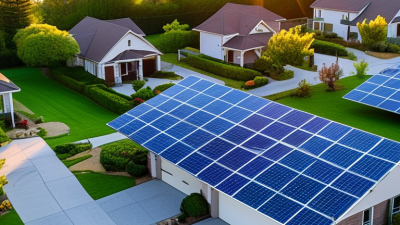
A home solar system comprises three main components: solar panels, inverters, and batteries. Solar panels are typically mounted on rooftops. They capture sunlight and convert it into electricity. This process hinges on photovoltaic cells. These cells generate direct current (DC) electricity, which must be converted for home use.
Inverters play a crucial role in this conversion. They change the DC electricity from the panels into alternating current (AC) electricity. This is what powers most household appliances. However, not all inverters are created equal. They vary in efficiency and durability. Choosing the right inverter can significantly impact the overall performance of your solar system.
Batteries store excess energy generated during the day. This stored energy can be used at night or during cloudy weather. While having a battery can enhance energy independence, it can also add to the cost and complexity of a solar system. Some homeowners may question if the investment is worth it. Balancing the initial cost with long-term savings requires careful consideration and research.
What is a Home Solar System and How Does It Work?
| Component |
Description |
Function |
Average Cost |
| Solar Panels |
Devices that convert sunlight into electricity. |
Generate DC electricity from sunlight. |
$10,000 - $30,000 |
| Inverter |
Converts DC electricity from panels to AC electricity. |
Make electricity usable for home appliances. |
$1,000 - $3,000 |
| Batteries |
Store excess energy generated by solar panels. |
Provide power during cloudy days or at night. |
$5,000 - $15,000 |
| Charge Controller |
Regulates voltage and current coming from the solar panels. |
Prevents overcharging of batteries. |
$300 - $1,000 |
How Home Solar Systems Convert Sunlight into Electricity
Home solar systems are becoming increasingly popular for residential energy needs. They harness sunlight and convert it into usable electricity. This process primarily involves solar panels, which are usually installed on rooftops. These panels contain photovoltaic cells that absorb sunlight and generate direct current (DC) electricity.
Once the solar panels capture sunlight, the DC electricity flows to an inverter. This device plays a crucial role by converting DC electricity into alternating current (AC), which is the standard form of electricity used in homes. After this transformation, the electricity can be utilized to power household appliances, lighting, and other electrical systems.
Despite their benefits, home solar systems aren't without challenges. Installation can be costly and may not be suitable for all rooftops due to shading or structural issues. Additionally, the efficiency of solar panels can vary based on geographical location and weather conditions. Homeowners should evaluate these factors carefully to make informed choices. A home solar system can significantly reduce electricity bills, but understanding its limitations is essential.
Benefits of Installing a Home Solar System: Savings and Incentives
Installing a home solar system offers significant financial benefits. Homeowners can save money on energy bills. Over time, these savings can add up to substantial amounts. Tax incentives and rebates can further enhance affordability. Many jurisdictions offer incentives that make the initial investment more attractive. This dedication to renewable energy can lead to lower utility costs, resulting in long-term financial gains.
An installed solar system can increase property value. Buyers often see homes with solar panels as more appealing. This can be a strong selling point in a competitive market. However, it's essential to understand maintenance costs and potential system upgrades. Some homeowners may find themselves unprepared for these aspects, so planning is crucial.
Additionally, understanding local regulations and net metering policies is vital. These guidelines can vary significantly from one area to another. Homeowners should research and consult with experts, ensuring they maximize the system's benefits. Without this knowledge, some may miss out on available savings and incentives. Thoughtful consideration of these factors is necessary for a successful transition to solar energy.
Benefits of Installing a Home Solar System
Installing a home solar system can offer substantial benefits, including significant monthly savings on energy bills and potential tax credits. This chart illustrates the average monthly savings, federal tax credits, state incentives, and the potential increase in home value associated with solar investment.
Understanding Efficiency Ratings and Cost-Effectiveness of Solar Systems
When considering the efficiency ratings of home solar systems, it's essential to examine the solar panel's power output relative to its size. The efficiency of typical residential solar panels ranges from 15% to 22%. According to a recent report by the National Renewable Energy Laboratory, the average solar panel's efficiency can significantly affect a household's energy savings over time. Higher efficiency panels may incur a higher initial cost but can lead to greater long-term savings.
Cost-effectiveness is also a key consideration. A study by the Solar Energy Industries Association indicates that the average cost of solar power has dropped by over 70% since 2010. Despite this decrease, solar installations can still be a considerable investment. Homeowners need to assess their energy needs, local incentives, and potential long-term benefits. Sometimes, systems that seem financially sound may not provide sufficient energy output based on the home's orientation or local weather patterns.
Not all solar systems are created equal. Factors such as installation quality, environmental conditions, and local electricity rates can influence overall performance. Some homeowners have reported underwhelming results after installation. It's crucial to perform due diligence and consult with professionals to ensure that the chosen system aligns with energy goals. With proper research, solar energy can indeed be a viable solution for many households.