What is a Commercial Solar Installer and How to Choose the Right One
As the demand for renewable energy sources continues to rise, businesses are increasingly turning to solar power as a sustainable and cost-effective solution. Commercial solar installers play a crucial role in this transition by providing the expertise and services necessary to design, install, and maintain solar energy systems tailored for commercial use. By harnessing the sun's energy, companies can not only reduce their carbon footprint but also realize significant savings on energy bills over time.
When selecting the right commercial solar installer, it is essential for businesses to consider various factors that ensure a successful partnership. This involves assessing the installer’s experience, qualifications, and reputation within the industry. By understanding the different aspects that contribute to an effective installation process, companies can make informed decisions that enhance their investment in solar energy. Properly vetting commercial solar installers can lead to a seamless transition to solar power, allowing businesses to enjoy the numerous benefits that come with this renewable energy source.
Understanding the Role of a Commercial Solar Installer
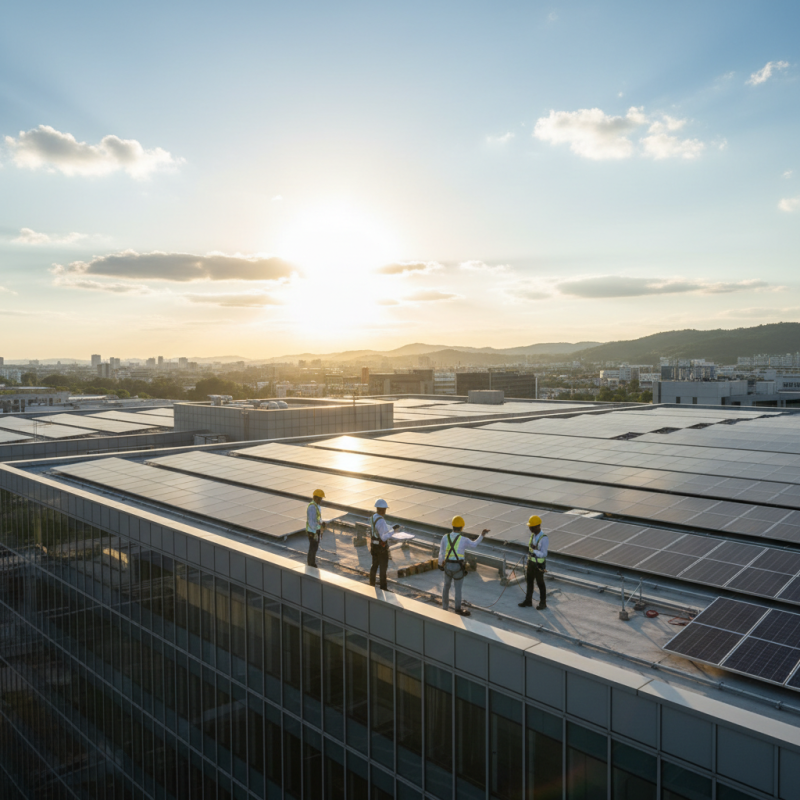
A commercial solar installer plays a crucial role in the transition to renewable energy for businesses and organizations. Their primary responsibility includes designing, installing, and maintaining solar energy systems tailored to the specific needs of commercial clients. This involves conducting site assessments to determine the optimal placement and specifications for solar panels, ensuring compliance with local regulations, and managing the logistical aspects of the installation. According to the Solar Energy Industries Association (SEIA), the commercial solar market has seen rapid growth, with installations increasing by over 20% annually, highlighting the increasing reliance on solar power among businesses.
Choosing the right commercial solar installer is essential for maximizing the benefits of solar energy. Companies should look for installers with a proven track record and relevant certifications, such as the North American Board of Certified Energy Practitioners (NABCEP) certification. Moreover, a comprehensive evaluation of industry experience is critical; a report from the National Renewable Energy Laboratory (NREL) indicates that firms with over five years of experience are more likely to provide high-quality installations that meet performance expectations. Clients should also request case studies or references to assess past projects, ensuring that the installer can deliver a system that meets their energy requirements and contributes to long-term cost savings.
What is a Commercial Solar Installer and How to Choose the Right One
| Criteria |
Details |
| Experience |
5+ years in the solar installation industry |
| Certifications |
NABCEP certification is preferred |
| Project Portfolio |
Diverse range of completed projects |
| Warranty Offered |
At least 5 years on workmanship |
| Client References |
Available upon request |
| Insurance |
Liability and workers' compensation insurance required |
| Compliance Knowledge |
Familiar with local codes and regulations |
| Solar Technology |
Expertise in various solar technologies |
Key Qualifications to Look for in a Commercial Solar Installer
When selecting a commercial solar installer, certain key qualifications are essential to ensure you partner with a reliable and competent professional. First and foremost, look for installers who possess valid licenses and certifications specific to solar energy systems. This ensures that they have received the necessary training and adhere to local regulations and safety standards. Certifications from reputable organizations can also indicate a commitment to best practices within the solar industry.
In addition to licensing, experience plays a significant role in selecting the right installer. A company with a proven track record of successful installations for businesses similar to yours will likely understand the unique challenges and requirements involved. Inquiries about their portfolio, customer testimonials, and case studies can provide insight into their expertise and reliability. Furthermore, a strong understanding of different financing options and incentives available for commercial solar projects is crucial, as this knowledge can significantly influence the overall cost and return on investment for your solar system.
Key Qualifications to Look for in a Commercial Solar Installer
Essential Questions to Ask Potential Solar Installers
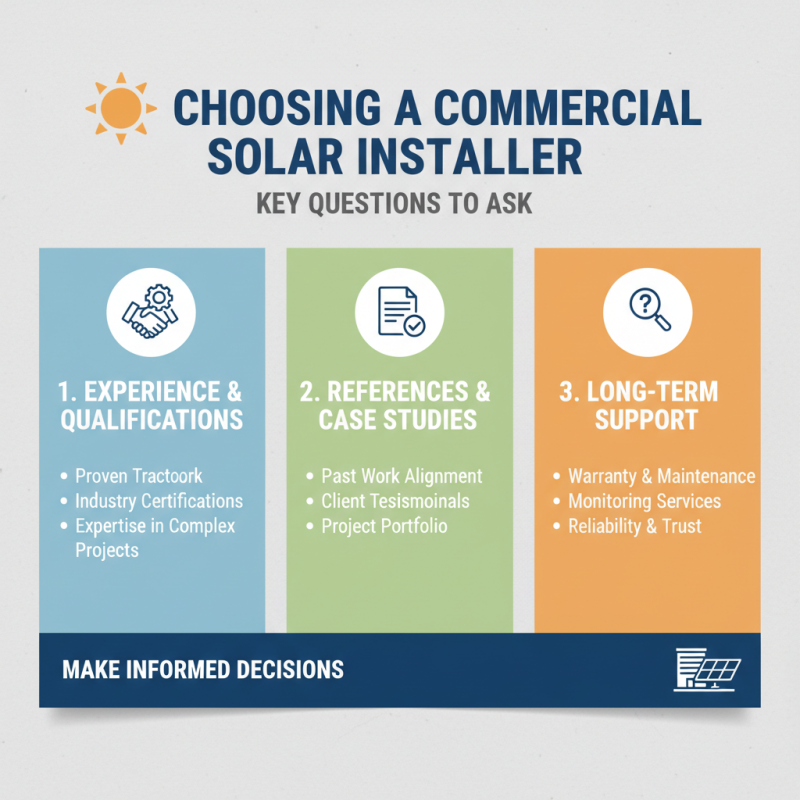
When considering a commercial solar installer, asking the right questions can make all the difference in your decision-making process. Start by inquiring about their experience and qualifications in the industry. A reputable installer should have a proven track record and relevant certifications that demonstrate their expertise in handling complex solar projects. Don't hesitate to ask for references or case studies to ensure their past work aligns with your expectations.
Furthermore, understanding the installation process and the equipment used is crucial. Ask potential installers about the types of solar panels and inverter systems they recommend, and whether they have experience with similar systems tailored to your specific needs. Additionally, inquire about their warranty and maintenance policies, as this will affect the long-term performance of your solar installation.
Tips: Engage in open communication with potential installers and gauge their responsiveness. A reliable installer should be willing to answer all your questions comprehensively. Don't forget to discuss financing options as well, as many installers offer various plans that can benefit your budget. Finally, ensure they are familiar with local regulations and incentives that may apply to your project, as this knowledge can lead to potential savings.
Evaluating the Experience and Portfolio of Solar Installers
When selecting a commercial solar installer, evaluating their experience and portfolio is crucial. An experienced installer will have a track record of successful projects that demonstrates their technical capabilities and understanding of the complexities involved in solar installations. It's beneficial to ask potential installers about the number of commercial projects they've completed, the scale of these projects, and the specific challenges they faced. This insight can indicate their problem-solving abilities and reliability in delivering projects on time and within budget.
Moreover, reviewing the portfolio of a solar installer provides tangible evidence of their work. A comprehensive portfolio should include detailed case studies showcasing a variety of installations, including different types of commercial properties and energy requirements. Pay attention to the specific technologies used, the energy savings achieved, and any client testimonials. An impressive portfolio not only reflects the installer’s competency but also their ability to tailor solutions that meet unique commercial needs. By thoroughly assessing experience and past work, businesses can make an informed decision when choosing a solar installer that aligns with their energy goals.
Understanding the Cost Factors Involved in Hiring a Solar Installer
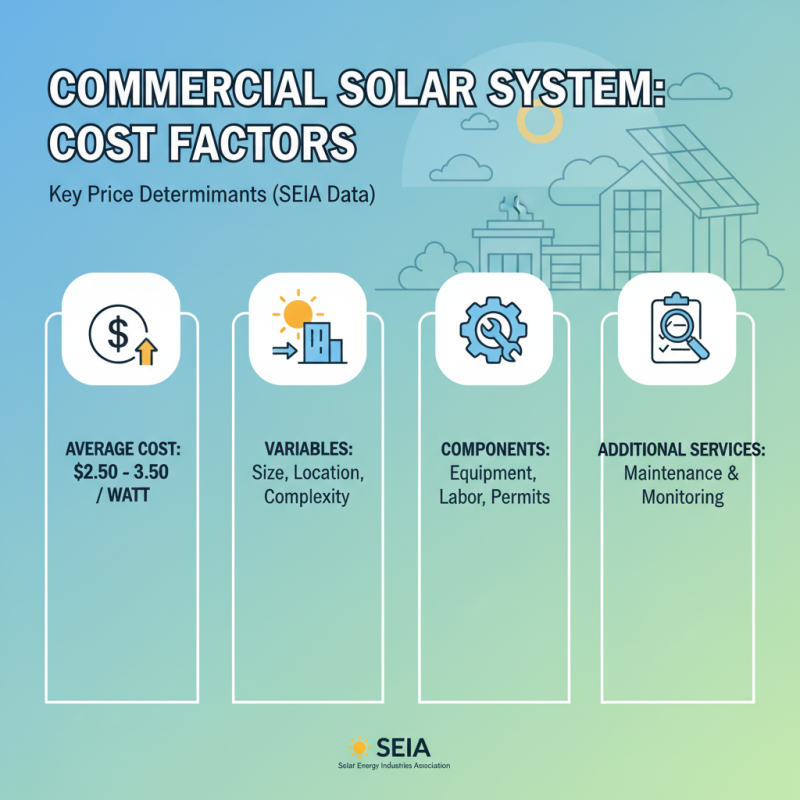
When considering the installation of commercial solar systems, understanding the cost factors involved is crucial. Reports from the Solar Energy Industries Association (SEIA) indicate that the average cost of commercial solar installations ranges from $2.50 to $3.50 per watt, depending on several variables. These include system size, location, and the complexity of the installation process. Moreover, the cost components can be broken down into equipment costs, installation labor, permitting, and additional services such as maintenance and monitoring.
Another significant consideration is the type of financing options available, as they can greatly affect the overall cost. According to a report by the National Renewable Energy Laboratory (NREL), businesses often choose between cash purchases, solar loans, and power purchase agreements (PPAs). Each financing method has distinct implications for total expenses and return on investment. For instance, while cash purchases typically offer the highest savings over the system's lifespan, PPAs may require no upfront investment, providing immediate cash flow benefits. Evaluating these financial aspects alongside installation costs helps businesses make informed decisions and select a reputable solar installer that aligns with their budget and energy goals.