How to Choose the Right Vehicle Power Inverter for Your Needs?
Choosing the right vehicle power inverter can be overwhelming. With many options available, it's important to make an informed choice. Renowned expert John Smith, who has worked in the automotive energy sector for over a decade, emphasizes, "The right inverter can transform your travel experience."
Understanding your needs is crucial. Will you be powering small devices or larger equipment? The answer determines the inverter size and capacity you need. A compact inverter may suffice for charging laptops, while a larger unit is necessary for appliances like refrigerators or power tools. Consider the wattage and be realistic about your power demands.
It's easy to overlook details in this decision. Some people buy inverters without considering their vehicle's capacity. This mistake can lead to regrets down the road. Researching brands and learning from user reviews can save you from common pitfalls. In the end, the right vehicle power inverter isn’t just about technical specs; it’s about improving your overall travel and adventure experience.
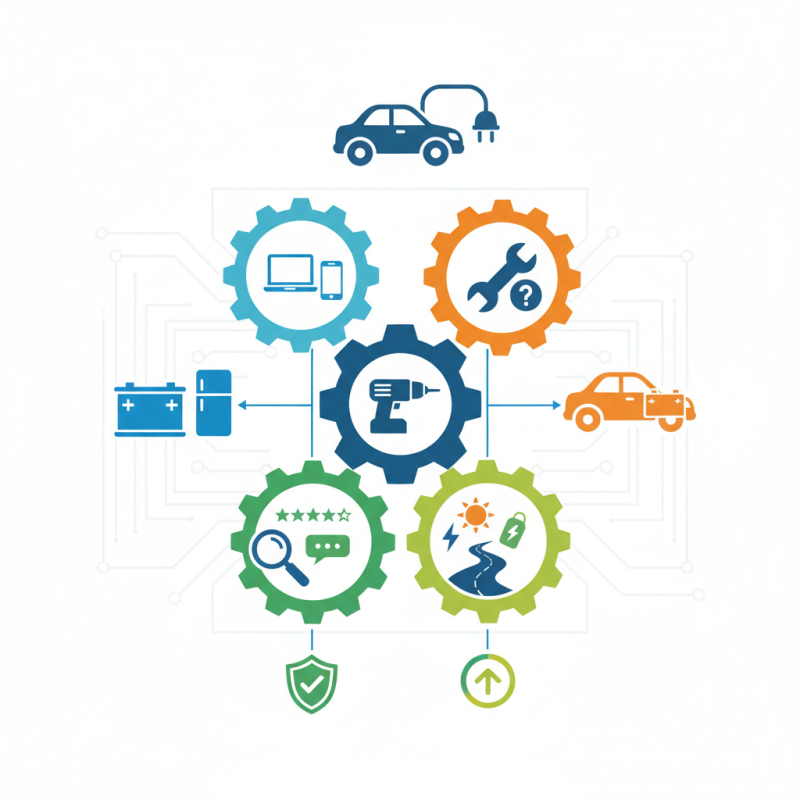
Understanding Vehicle Power Inverters and Their Functions
Vehicle power inverters are essential for converting DC power from your vehicle's battery into AC power. This enables you to use household appliances while on the road. Understanding their functions can help you choose the right model for your needs. There are different wattage options available, which is crucial. Higher wattage inverters can power more devices, but they also drain the battery faster.
Consider your power needs carefully. Do you frequently use high-wattage devices like laptops or microwaves? If so, opt for a higher-capacity inverter. On the other hand, if you just need to charge your phone or run a small cooler, a smaller inverter might suffice. Choose wisely; your battery life could depend on it.
Tips: Always check the inverter's specifications. Ensure it matches the wattage of your devices. Look for features like USB ports or built-in protection against overheating. Remember that higher capacity often means a bigger size and weight. If you have limited space, this can complicate your installation. Reflect on your requirements before making a purchase.
Vehicle Power Inverter Types and Their Common Applications
Identifying Your Power Requirements for Inverter Selection
When selecting a vehicle power inverter, understanding your power requirements is crucial. Begin by identifying the devices you plan to use. Common examples include laptops, small refrigerators, and power tools. Each device has a specific wattage requirement. Checking the power specifications helps determine the inverter’s capacity.
Calculate the total wattage needed by adding the wattage of all devices. Does your vehicle have enough battery power? Consider the inverter's continuous and surge wattage ratings. Continuous power refers to the sustained output, while surge power indicates the peak output for a short time. Ensure the inverter can handle your peak demands.
Additionally, think about portability. Some inverters are compact and easy to store. Larger models may offer more power but can be cumbersome. Reflect on your usage scenarios. Are you using it for camping, or during emergencies? Each situation may influence your choice of inverter. Be mindful of these factors to ensure a better fit for your needs.
Different Types of Vehicle Power Inverters Explained
When selecting a vehicle power inverter, it's vital to understand the different types available. Inverters convert DC power from your car's battery into AC power. This allows you to power up devices like laptops and small appliances while on the go.
There are two main types of inverters: modified sine wave and pure sine wave. Modified sine wave inverters are less expensive and adequate for simple electronics. However, they might not work well with sensitive devices. Pure sine wave inverters provide cleaner power. They are ideal for laptops or audio equipment, though they come with a higher price tag.
Tips: Always check the wattage needs of your devices. This ensures you choose an inverter that matches or exceeds the required power. Also, consider how many devices you plan to charge simultaneously. A larger inverter might be necessary for multiple devices. Don't forget to think about your vehicle's battery capacity. If you draw too much power, you risk depleting your battery quickly. Be mindful of your usage to avoid any complications.
Factors to Consider When Choosing a Vehicle Power Inverter
When selecting a vehicle power inverter, several factors require attention. One key aspect is the inverter's wattage rating. Ensure it matches or exceeds the total wattage of your devices. A 400-watt inverter can power small devices, while a 2000-watt model suits larger electronics like refrigerators. According to industry reports, over 30% of users underestimate their power needs, leading to device malfunctions. It's crucial to calculate your requirements accurately.
Another factor is the inverter type: pure sine wave versus modified sine wave. Pure sine wave inverters provide cleaner power, which is vital for sensitive electronics. Modified sine wave can power basic devices but may cause issues with some appliances. A study indicated that 25% of users experienced problems with modified sine wave outputs. Sound design is essential too. Look for features like thermal protection and overload shutdown. Inverter placement matters, as well. It should be in a cool, dry area to avoid overheating, which can diminish performance.
Tips for Installing and Using Your Chosen Power Inverter
Installing your vehicle power inverter correctly is crucial for optimal performance. Start by choosing a secure location. Avoid areas near excessive heat or moisture. Ensure the inverter is ventilated to prevent overheating. The National Renewable Energy Laboratory reports that inadequate ventilation can reduce inverter efficiency by up to 20%. A well-ventilated space maximizes longevity and reduces risks.
When connecting your inverter, use the right gauge wires. Undersized wires can cause voltage drops, leading to poor operation. The American Wire Gauge (AWG) standards recommend specific sizes based on your inverter’s wattage. For instance, a 1000-watt inverter typically requires 4 AWG wire. Double check your connections to avoid sparking. Even slight issues can result in significant problems down the line.
Always test your setup after installation. Power up the inverter and ensure devices run smoothly. If there are issues, review your connections and adjust. Users often overlook grounding, which can cause interference. According to the Electrical Safety Foundation International, grounding is essential for safety and functionality. Regularly inspect your inverter for signs of wear or damage. Performing these checks can prevent larger, costly repairs later.