How to Choose the Best Solar Power System for Your Home?
Choosing the right solar power system for your home can be daunting. With so many options, expert guidance is essential. According to renowned solar energy consultant Dr. Emily Zhang, “Selecting the best solar power for home depends on understanding your energy needs and available resources.”
Every home is unique. Factors like roof size, energy consumption, and budget play a crucial role. It’s not just about installation; it’s about long-term efficiency. Some systems may seem appealing at first glance, only to fall short in performance. Research is vital to avoid pitfalls.
Understanding solar power for home means looking beyond the numbers. You must consider warranties, installation quality, and service options. Not all providers are equal. Some may promise savings but deliver less. Reflect on your choices to ensure a sustainable investment for the future.
Understanding Your Energy Needs and Consumption Patterns
Understanding your energy needs and consumption patterns is key to selecting the best solar power system for your home. According to the U.S. Energy Information Administration (EIA), the average American household consumes about 877 kWh of electricity per month. This translates roughly to 10,500 kWh per year. Knowing your annual consumption allows you to size your solar system effectively.
To ensure an optimal fit, consider tracking your energy use over several months. Peak usage times can reveal consumption spikes. The National Renewable Energy Laboratory (NREL) indicates that adjusting habits can reduce energy use by 10-30%. Simple changes, like using energy-efficient appliances, can affect your needs significantly.
Tip: Use an online solar calculator. It can provide insights into how much energy you typically use. Be mindful that variations exist due to factors like climate and lifestyle. You may find gaps in your data, which means it's worth revisiting your analysis periodically. Accurate assessments will lead to better solar system decisions. Small changes in your consumption can lead to a more effective solar investment.
Exploring Different Types of Solar Power Systems Available
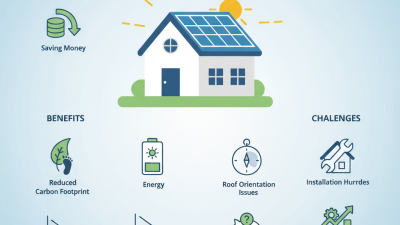
When exploring solar power systems for your home, several options are available. Each type has unique features and benefits. For instance, photovoltaic (PV) systems convert sunlight directly into electricity. They are popular for residential use. Their effectiveness depends on your location and roof orientation.
Another option is solar thermal systems. These systems use sunlight to heat water for domestic use. They can be a great choice for households that require hot water consistently. However, they may not provide electricity, limiting their overall utility.
Consider battery storage systems as well. These systems store energy generated during the day. They allow homeowners to use solar energy during the night or cloudy days. However, battery systems can be expensive, and their lifespan may vary. It’s essential to evaluate your energy needs and budget before deciding. Not every system fits every home, and some may require close monitoring.
Evaluating Solar Panel Efficiency and Technology Options
When selecting a solar power system, it’s crucial to evaluate panel efficiency and technology options. Efficiency refers to how well a panel converts sunlight into electricity. Higher efficiency ratings often mean more energy from smaller systems. However, efficiency isn’t the only factor. Different technologies affect performance too.
Monocrystalline solar panels are popular for their high efficiency and sleek appearance. They perform better in low-light conditions, making them ideal for homes in shaded areas. Polycrystalline panels, on the other hand, are generally less expensive but also less efficient. They require more space for the same energy output. Thin-film panels are lightweight and flexible, yet they typically have lower efficiency and shorter lifespans.
As you consider these options, think about your specific needs and location. A high-efficiency panel may offer more power but could come with a higher upfront cost. Evaluate your roof size and orientation as well. A smaller roof might necessitate the best technology available, while a larger roof can accommodate lower-efficiency options. Make sure to weigh these details carefully; technology choices deeply influence overall satisfaction with your solar investment.
How to Choose the Best Solar Power System for Your Home? - Evaluating Solar Panel Efficiency and Technology Options
| Solar Panel Type |
Efficiency (%) |
Warranty (Years) |
Cost per Watt ($) |
Best Use Case |
| Monocrystalline |
15-22 |
25 |
$0.70 - $1.50 |
Residential and Small Spaces |
| Polycrystalline |
13-17 |
25 |
$0.60 - $1.20 |
Larger Installations |
| Thin-Film |
10-13 |
10-20 |
$0.50 - $1.00 |
Flexible Applications |
| Bifacial |
16-25 |
25 |
$0.80 - $1.60 |
High-Efficiency Installations |
Assessing Installation Costs and Financial Incentives
When considering a solar power system, installation costs play a crucial role. The price can vary significantly based on factors like system size and roof type. It's essential to get multiple quotes from local installers. These quotes will highlight the range of potential costs. Analyzing these costs gives homeowners insight into what to expect.
Financial incentives can make solar more accessible. Many regions offer tax credits or rebates for solar installations. These programs can reduce the overall cost considerably. Researching local incentives is key. The process can be tedious, but it may lead to substantial savings. Check state and federal programs for options.
It’s also wise to calculate long-term savings. While initial costs might seem high, solar can lower energy bills over time. Consider the payback period for your system. If it’s too long, the investment may not be worthwhile. Homeowners need to weigh the benefits and costs carefully to ensure a sound financial decision.
Home Solar Power System Installation Costs and Financial Incentives
Considering Maintenance and Longevity of Solar Power Systems
When considering the longevity of solar power systems, maintenance plays a crucial role. Regular upkeep can extend the lifespan significantly, often up to 25 years or more. A study by the National Renewable Energy Laboratory indicates that well-maintained systems can operate efficiently for over 30 years. This highlights the importance of investing in quality components and reliable installation practices.
Routine inspections and cleaning are vital. Dust, debris, and shading can reduce efficiency by 15-25%. Professional service may cost around $150 per visit, but it protects your investment. DIY cleaning can also be effective, but remember to prioritize safety.
Another aspect to consider is the degradation rate of solar panels. Most panels lose about 0.5%-1% efficiency per year. Choosing systems with lower degradation rates may yield better long-term performance. Some newer technologies claim rates as low as 0.3%. Evaluating warranties can also provide peace of mind, as many manufacturers offer guarantees ranging from 25 years to lifetime options. The choice of materials affects durability, yet lower-cost systems can sometimes sacrifice quality. Balancing initial cost with expected longevity and efficiency is essential for making an informed decision.