How to Choose the Best Residential Solar Systems for Your Home?
The transition to residential solar systems is rapidly gaining momentum. According to industry reports, the residential solar market is expected to exceed $25 billion by 2027. This growth signifies a shift in how homeowners are addressing energy needs. Efficient solar panels can reduce electricity bills by up to 50%. However, choosing the right system is critical.
Understanding the various options available is essential. The residential solar systems landscape is diverse, with each system tailored to specific needs and conditions. Homeowners often struggle with selecting between different technologies and configurations. For example, some installations provide higher efficiency but at a premium cost. It's important to evaluate long-term benefits versus short-term savings.
Furthermore, local regulations and incentives can impact decision-making. Each state offers varying tax credits and rebates, which could significantly lower overall costs. However, navigating these incentives can be daunting. Homeowners must thoroughly assess their unique situations to make informed choices. Investing time in research can lead to significant long-term benefits and enhance energy independence.
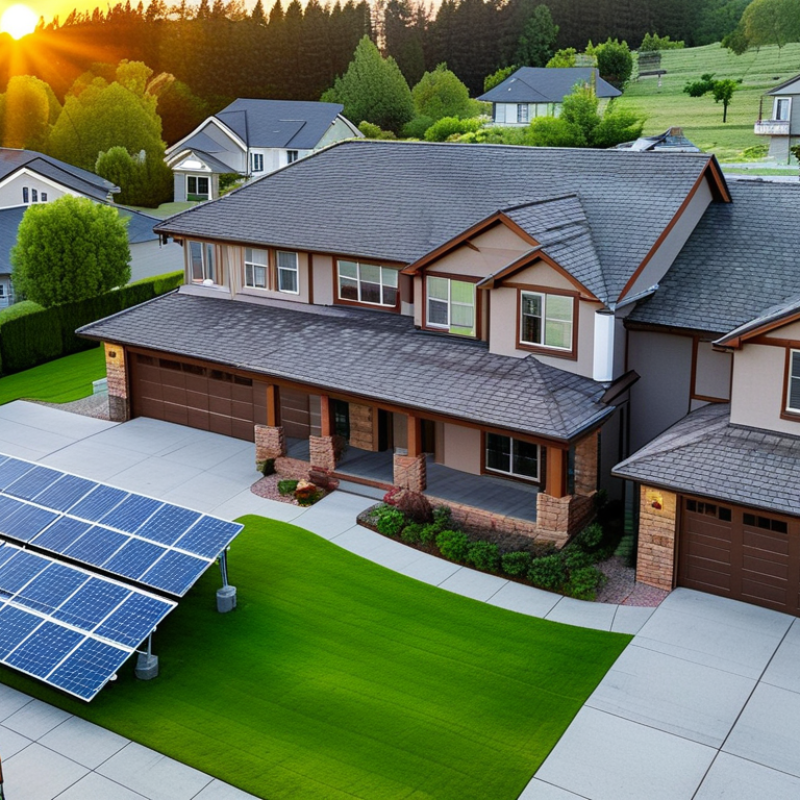
Factors to Consider When Choosing Residential Solar Systems
Choosing the right residential solar system involves careful consideration of several key factors. Start by evaluating your energy needs. Calculate your household's energy consumption to determine how much solar power you will require. This figure will guide you in selecting the appropriate system size. A smaller home with lower energy demands may not need an extensive setup, while a larger household might require a more robust solution.
Next, assess your roof's condition and orientation. An ideal roof space for solar panels should be south-facing, with minimal shading from trees or buildings. If your roof needs repairs, address these issues before installation. Also, consider the pitch of your roof; a steep angle may affect panel placement and efficiency.
Financing options are another significant factor. Explore various payment methods, such as outright purchase, loans, or leasing. Each option has pros and cons. Look into local incentives and rebates. These can significantly impact the overall cost of your system. Engaging with a certified solar installer can provide valuable insights and suggestions tailored to your specific situation. They can help refine your choices and clarify any uncertainties. Rely on expert advice, but ensure it aligns with your unique circumstances.
How to Choose the Best Residential Solar Systems for Your Home? - Factors to Consider When Choosing Residential Solar Systems
| Factors |
Details |
| Efficiency |
Consider the energy conversion efficiency of the solar panels, typically ranging from 15% to 22%. |
| Cost |
Evaluate the total system cost, including installation, maintenance, and potential tax credits or incentives. |
| Warranties |
Check the warranty periods for both the solar panels and the inverter, which usually range from 10 to 25 years. |
| Type of Solar Panel |
Choose between monocrystalline, polycrystalline, and thin-film solar panels based on your needs and budget. |
| Installation |
Consider the installation process, including local regulations, roof suitability, and the availability of qualified installers. |
| Performance Monitoring |
Look for systems that include monitoring software to track energy production and system health. |
| Inverter Type |
Choose between string inverters and microinverters based on system design and efficiency needs. |
| Aesthetics |
Consider how the solar panels will look on your roof and if they will affect the overall appearance of your home. |
Types of Residential Solar Systems Available on the Market
When considering solar energy for your home, understanding the types of residential solar systems is essential. There are mainly three types available: grid-tied, off-grid, and hybrid systems. Each type has its unique benefits and challenges that can significantly impact your decision.
Grid-tied systems are the most common. They rely on the local utility grid and provide a seamless way to share excess energy. According to the U.S. Department of Energy, about 70% of residential solar installations are grid-tied. This system is cost-effective and often requires less upfront investment. However, it's dependent on grid availability, which can be a downside during power outages.
Off-grid systems are ideal for remote locations where grid access is limited. These systems store energy in batteries and provide independence from local utility providers. However, they can be costly and require maintenance. Data from the National Renewable Energy Laboratory suggests that off-grid systems might be less reliable during periods of high energy demand if not correctly sized or managed.
Hybrid systems combine both grid-tied and off-grid elements. This flexibility allows homeowners to utilize the grid while having battery storage. However, complexity in installation and higher costs can be potential drawbacks. Each system type brings its own pros and cons, making careful consideration essential for your home’s needs.
Assessing Your Home's Energy Needs for Solar Installation
When considering solar installation, assessing your home’s energy needs is crucial. Begin by examining your electricity bills from the past year. Look for patterns in your monthly usage to understand peak consumption times. This will help you estimate how much power your solar system should generate.
Next, consider factors such as the number of occupants and your usage habits. For instance, do you run large appliances frequently? More appliances mean higher energy needs. Evaluate how much sunlight your roof receives daily. A shaded roof may require a larger system to meet your energy demands.
Reflecting on potential inefficiencies is also essential. Are there appliances you could replace with more efficient models? Small changes can significantly reduce your overall energy consumption. Determine your long-term energy goals, too. Planning for future expansions in your household can save you money in the long run. Start with an honest assessment, and take it one step at a time.
Understanding Solar System Costs and Financing Options
When considering a residential solar system, understanding costs is crucial. Solar system prices can vary widely. Factors such as system size, type of panels, and installation complexity all impact the total cost. Researching average prices in your area can provide a clearer picture. Installation might seem expensive initially, but long-term savings can be significant. Many homeowners report reduced energy bills and increased home value.
Financing options for solar systems are diverse. Upfront payment is one choice, but it might not be feasible for everyone. Many people opt for loans or leases that spread costs over time. Some states and localities offer incentives that lower initial expenses. Grants and tax credits can also alleviate some financial burden. It's important to read the fine print and understand long-term obligations. Consider speaking to a financial advisor to assess your options carefully. This avoids common pitfalls in solar financing.
Evaluating Installer Qualifications and Customer Reviews
Choosing the right solar system for your home hinges on finding the right installer. The qualifications of solar installers can greatly affect the quality and efficiency of your installation. A valid certification from organizations like the North American Board of Certified Energy Practitioners (NABCEP) is essential. Data shows that systems installed by certified professionals can yield up to 30% more energy output over their lifetime than those installed by non-certified individuals.
Customer reviews offer vital insights into the installer’s reputation. According to recent reports, 86% of homeowners trust online reviews as much as personal recommendations. Look for feedback that highlights communication, reliability, and post-installation support. It's important to recognize that not every review is perfect; some may reveal recurring issues. An installer with mostly positive reviews, but a few critical ones may still be a better choice than one with only glowing testimonials. This reflects the importance of balance—nobody is perfect, and constructive criticism can reveal an installer’s dedication to improvement.
When evaluating installer qualifications and customer reviews, never overlook local expertise. Installers familiar with regional regulations and climate factors can optimize your system's performance. Their understanding of local utility incentives can also provide significant savings. Taking the time to research and compare can lead to a more informed choice for your solar needs.