7 Tips for Choosing the Best Infrared Light Device
Choosing an Infrared Light Device can feel simple until product pages begin listing wavelengths, output levels, treatment areas, and glowing promises. The right choice depends on what you want to use it for, where you plan to place it, and whether its specifications are clear. A compact handheld unit may suit a small area, while a larger panel can cover more skin but needs adequate space and careful positioning. Small details matter.
Look beyond polished photos. Check the stated wavelength, irradiance measurement distance, recommended session guidance, and whether the manufacturer explains how those figures were tested. A number without context can be hard to compare. That takes patience. Also consider practical details: adjustable settings, eye-safety instructions, build quality, warranty terms, and access to customer support. Reviews can help, but they should not replace transparent product information or independent evidence.
The seven tips in this guide offer a structured way to compare options without assuming that higher output or a higher price means better results. They also highlight limits worth considering. Light-based devices are not a substitute for professional medical care, and suitability can vary with personal health, medications, and eye sensitivity. If you have a health condition or a specific treatment goal, ask a qualified clinician before use. Even a well-made device may not be right for everyone. A careful choice starts with realistic expectations, readable specifications, and instructions you can follow consistently.
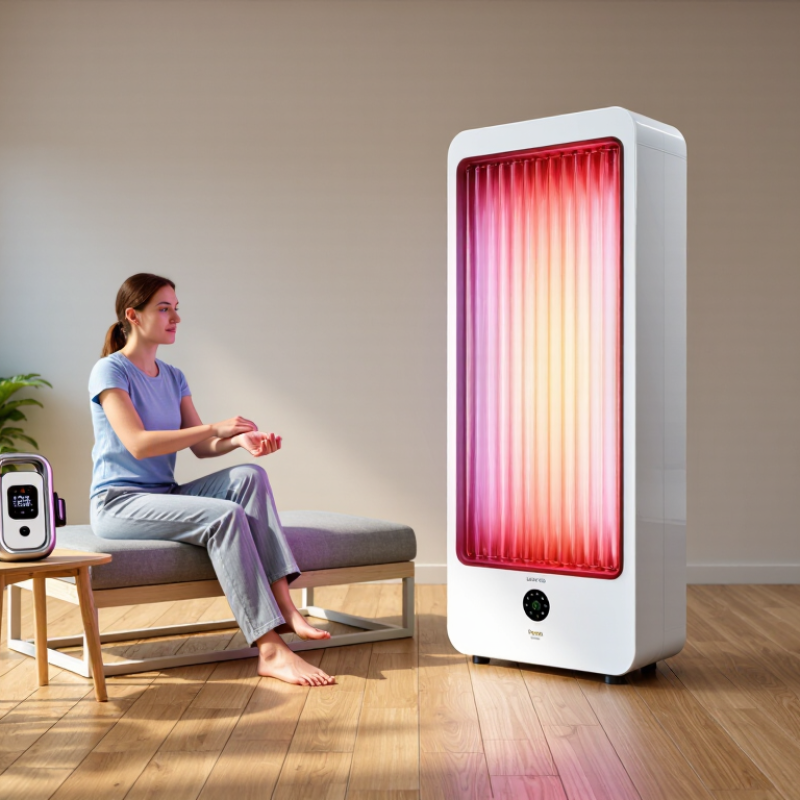
Clarify Your Goals and the Area You Want to Treat
Before comparing infrared light devices, define what you want help with: temporary muscle discomfort, joint stiffness, or a specific skin concern. These are different goals, and evidence for one should not be assumed to apply to another.
The World Health Organization’s 2022 musculoskeletal conditions fact sheet estimates that 1.71 billion people worldwide live with musculoskeletal conditions. That figure shows how common these problems are; it does not prove that a light device treats them. Keep expectations modest.
Then name the body area and estimate its size. A small panel may suit a knee, while treating a broad area such as the back could require more coverage or repositioning. Check the device’s instructions for treatment distance, session length, and whether its output has been measured. Those details matter more than a bright-looking lamp. Not every device reports them clearly.
That distinction matters. If your goal is skin-related, check whether the device and its safety guidance are intended for that use, and ask a qualified clinician about persistent symptoms or a diagnosed condition.
It is easy to shop for a device before deciding what success would look like. A short written goal can help: “less morning stiffness in my right hand” is clearer than “better wellness.”
Compare Wavelengths, Power Output, and Treatment Coverage
Wavelength is the color range of light, measured in nanometers. Many red-light devices use wavelengths around 630–660 nm, while near-infrared devices often use about 800–850 nm. These bands interact with tissue differently, so compare the device’s stated wavelengths with the intended use and relevant research. A wavelength number alone does not prove effectiveness. Check whether the manufacturer reports how it was measured, rather than relying on vague terms such as “deep penetrating.”
Power output needs context. Look for irradiance, usually listed in milliwatts per square centimeter, and check the measurement distance. Numbers can mislead. A reading taken directly at the panel may not match the light reaching skin from several inches away. Distance matters. Also consider treatment coverage: a small lamp may suit one joint, while a larger panel can illuminate a broader area. Look for information about evenness across the treatment surface; bright centers and dim edges can make exposure inconsistent. Compare practical session guidance, too, since higher output does not automatically mean better results. Device specifications can be incomplete, and independent testing is useful when available. I would treat unclear measurements as a reason to pause and ask questions.
Assess Ease of Use, Treatment Time, and Everyday Fit
A practical infrared light device should fit the routine you already have, not demand a new one. Check whether its controls are clear, its surface is easy to position, and its instructions specify distance and session length. Can you use it beside your desk or after washing up, without rearranging the room? Small details matter. A stiff cable or awkward stand can turn a simple session into a chore.
Treatment time needs context. Wavelength, light output, distance, and treated area all affect the prescribed session; a shorter timer does not automatically mean a better device. The World Association for Photobiomodulation Therapy’s dosage guidance emphasizes dose, rather than minutes alone. Compare the device instructions with the protocol used in relevant clinical research, and ask a qualified clinician if the guidance is unclear. The WHO’s 2003 report on long-term therapy estimated average adherence at about 50% in developed countries. That figure is not specific to light devices, but it is a useful reminder: routines can be hard to maintain. Not just minutes. Consider storage, cleaning, and whether you can use the device consistently without skipping other care. I would also question any promise of effortless results; convenience helps, but it cannot replace suitable guidance or realistic expectations.
Compare Evidence, Price, Warranty, and Customer Support
Tip 1: Compare the evidence, not just the product descriptions. Look for clear device specifications, published research, and explanations of how closely the research matches the device’s wavelength and intended use. Evidence can be limited or mixed. That matters. Be cautious when a seller promises dramatic results without explaining the basis for those claims. A small detail, such as a missing wavelength range, can make comparisons difficult.
Tip 2: Compare the full price. Include shipping, replacement parts, and any required accessories, not only the amount shown beside the product. A lower upfront price may not mean a lower long-term cost. Check the warranty in writing. Note its length, covered parts, exclusions, and who pays return shipping. Fine print is easy to miss.
Tip 3: Test customer support before buying. Send a specific question about setup, safety instructions, or warranty coverage, then see whether the answer is clear and timely. Save the reply. Support quality can be hard to judge from reviews alone, and one unanswered message is not conclusive. Still, vague responses are worth considering. A careful comparison takes time.