How to Choose the Best Electric Scooter for Your Needs?
Choosing the right Electric Scooter can feel overwhelming. With many options available, you'll want to ensure you make the best choice for your lifestyle. This decision isn’t just about style or brand; it involves understanding your specific needs and preferences.
Electric Scooters are popular for urban commuting. They offer convenience, speed, and eco-friendliness. But not all scooters are created equal. Factors like weight capacity, battery life, and design impact performance significantly. Consider your daily commute distance and terrain type. A good scooter should match your routine seamlessly.
It's also important to reflect on safety features. Braking systems and lights can enhance your riding experience. However, they can also vary widely in effectiveness across different models. Testing out a few options can help you identify what feels right. The perfect Electric Scooter is out there. It just requires careful thought and a bit of trial and error.
Understanding Your Personal Requirements for an Electric Scooter
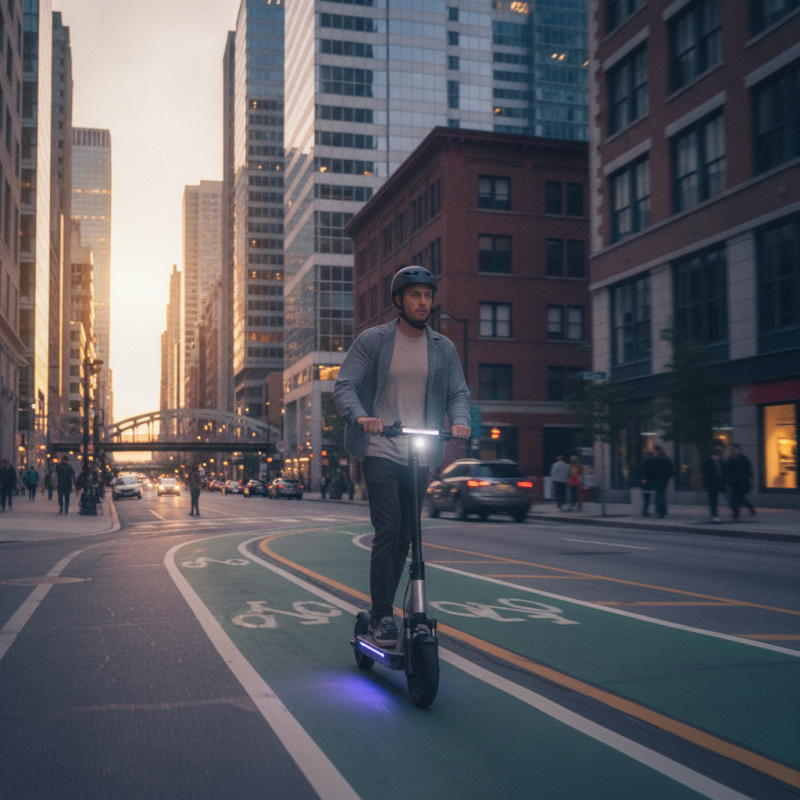
Choosing the right electric scooter starts with understanding your personal requirements. Think about your daily commute. Are you using it for short trips? A lightweight scooter may be ideal for navigating crowded streets. If distance is a priority, consider a model with a longer battery life. Reflect on the types of terrain. Will you be riding on smooth roads or bumpy paths? Choose a scooter with good suspension and robust wheels if you face uneven surfaces.
Safety features also matter. Assess if you need lights, bell systems, or even speed controls. These details contribute significantly to a safer ride. Comfort is essential, too. A wider deck and comfortable handlebars can make a big difference. Try different models when possible. Some scooters may feel awkward to ride initially.
Consider your storage space as well. Some scooters fold neatly and are easy to carry, while others may take up more room. Don't overlook weight limits. Heavy riders might require a sturdier scooter. It’s essential to find a model that fits your personal needs and the situation you’ll be in. Test rides can reveal surprising differences. Remember, the best choice is one that aligns with your lifestyle.
Evaluating Battery Life and Charging Options
When choosing an electric scooter, battery life and charging options are crucial. Industry reports indicate that battery life can range from 10 to 50 miles per charge. Factors like the rider's weight, terrain, and speed affect this range. A lightweight rider on flat terrain might get the maximum range, while heavier riders may notice a significant drop. Understanding real-world usage is essential for adequate planning.
Charging options are equally important. Most electric scooters require between 4 to 8 hours for a full charge. Some models offer rapid charging features, reducing this time significantly. However, rapid chargers can shorten battery lifespan over time. Users should consider where and how often they will charge their scooter. Having a reliable charge point is essential for daily commutes. Relying solely on standard household outlets might not suffice for heavy users.
Beyond mere specifications, personal experiences also shape perceptions. Many riders have reported battery failures or reduced capacity over time. It’s wise to read user reviews and experiences about battery performance. Conducting thorough research can uncover hidden issues. An informed choice leads to better long-term satisfaction.
Comparing Motor Power and Speed Capabilities
When selecting an electric scooter, motor power and speed capabilities play a crucial role. A typical electric scooter motor ranges from 250 watts to 1500 watts. Higher wattage often translates to better acceleration and hill-climbing ability. According to a recent market report by Statista, scooters with 500 watts or more are ideal for urban commuting. They provide sufficient power to navigate city terrains effectively.
Speed is another vital consideration. Most electric scooters can reach speeds between 15 to 30 miles per hour. Understanding your riding needs is essential. For leisurely rides, 15 mph may suffice, but for efficient commuting, 25 mph is often preferred. In a study conducted by the Institute for Transportation and Development Policy, it was noted that faster speeds significantly reduce travel time for short distances. However, faster speeds can also lead to safety risks, especially for inexperienced riders.
It’s essential to balance power and speed with safety and comfort. Some users may find that a high-speed scooter offers inadequate stability, particularly on uneven surfaces. Reflect on your local environment: is it suited for higher-speed riding? The best choice should reflect not only your commute requirements but also your riding skill level. Choosing wisely can enhance your electric mobility experience.
Electric Scooter Motor Power vs Speed Capabilities
Assessing Weight, Portability, and Storage Solutions
When selecting an electric scooter, weight and portability are crucial. Many scooters weigh between 25 to 50 pounds. This can significantly impact daily use. If you need to carry it up stairs or store it in tight spaces, a lighter model is preferable. The design should facilitate easy handling without compromising stability.
Portability also includes folding mechanisms. A good scooter should fold easily and quickly. Some models can be folded in under five seconds. This feature is beneficial for urban commuters who use public transportation. According to a recent industry report, users rate practicality as essential, with 70% prioritizing ease of storage.
Consider storage solutions at home or in the office. A compact design that fits in a closet or under a desk is ideal. However, this can limit battery size, affecting range and speed. It's a trade-off worth considering.
Tip: Always check the scooter's dimensions before purchase. Measure your storage space.
Another point to note is weight distribution. A scooter that isn't well-balanced can lead to difficulty in maneuvering. Test how it feels on turns and inclines.
Tip: Ask for a test ride, if possible. Experiencing the weight and handling will give a clearer picture of its practicality.
Exploring Safety Features and Legal Regulations for Electric Scooters
When selecting an electric scooter, safety features and legal regulations are crucial. Reports indicate that around 20% of scooter accidents arise from inadequate safety measures. Riders should prioritize models equipped with reliable brakes and bright lighting. In urban areas, visibility and braking power significantly reduce risks.
Legal regulations vary by region, affecting where scooters can be used. For example, a study found that cities with stricter laws see a 30% decrease in accidents. Riders must stay informed about speed limits, which often cap at 15 mph. These regulations aim to protect both scooter users and pedestrians.
Understanding local laws can be complex. In some states, riders are required to wear helmets while others do not mandate it at all. This inconsistency makes it vital for riders to research their local laws thoroughly. Buying a scooter without this knowledge can lead to fines or unsafe riding conditions. Opting for a model with strong safety features and adhering to legal guidelines enhances overall safety and compliance.