Why Choose Solar Energy Installation for Your Business?
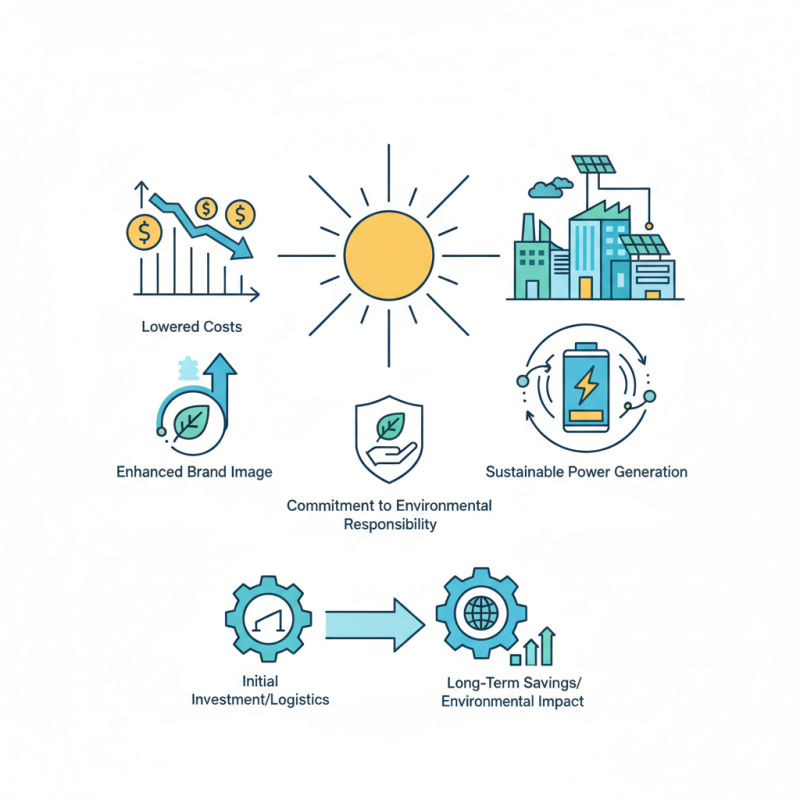
In today’s competitive landscape, businesses seek sustainable options. One such option is solar energy installation. This approach not only lowers costs but also enhances brand image. Solar energy systems harness sunlight to generate powerful energy. Many companies have successfully adopted these solutions, reaping significant benefits.
The transition to solar energy is more than just a trend; it represents a commitment to environmental responsibility. Businesses often face challenges when considering this change. Initial costs and installation logistics may seem daunting. However, the long-term savings and environmental impact are compelling reasons to embrace solar energy.
As companies navigate this evolving market, understanding the nuances of solar energy installation is crucial. Each business has unique needs and energy demands. Seeking expert advice can help tailor the right system. Ultimately, the choice for solar energy is not just a financial decision; it reflects a company's values and vision for the future.
Benefits of Solar Energy for Business Operations
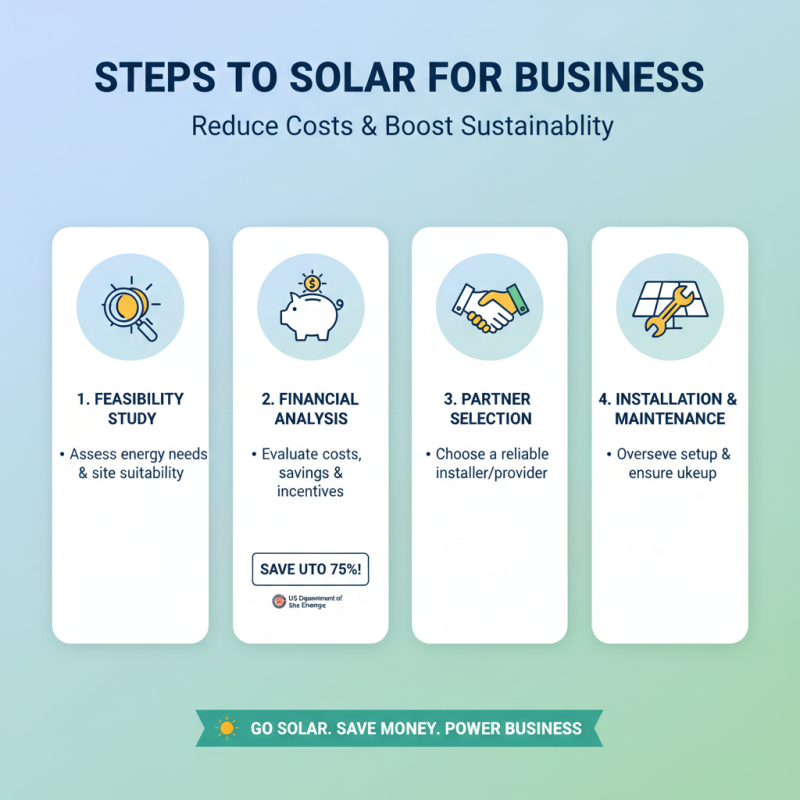
The adoption of solar energy can dramatically enhance business operations. According to the Solar Energy Industries Association (SEIA), U.S. businesses that switched to solar saw an average reduction of 75% in electricity costs. This significant saving can free up capital for other investments, improving overall financial health.
Moreover, businesses leveraging solar energy often report higher employee satisfaction. A study by the National Renewable Energy Laboratory found that 60% of employees prefer working for companies that prioritize sustainability. This preference can lead to lower turnover rates and enhanced productivity.
While the initial investment in solar technology can be daunting, the long-term benefits outweigh the challenges. Companies can access different financing options, such as power purchase agreements, easing the financial burden. However, some organizations may struggle with installation logistics. Proper planning is crucial to maximize efficiency and minimize setbacks. Embracing solar energy reflects a commitment to sustainability and can position businesses favorably in a competitive market.
Cost Savings and Financial Incentives for Solar Installation
Businesses today are increasingly drawn to solar energy due to the significant cost savings and available financial incentives. According to the Solar Energy Industries Association (SEIA), companies that invest in solar installations can reduce energy bills by up to 75%. This energy independence can improve cash flow, allowing funds to be redirected to core business operations.
Federal and state programs offer various tax incentives that enhance solar installation’s financial appeal. The Investment Tax Credit (ITC) allows businesses to deduct up to 26% of expenses related to solar systems from federal taxes. Some states provide additional rebates, further lowering upfront costs. These financial benefits can lead to a return on investment within 5 to 7 years, making solar a savvy long-term strategy.
Despite the clear advantages, challenges such as high initial costs can hinder some businesses. Not every firm has immediate access to the capital needed for installation. Additionally, navigating the complex web of financial incentives can prove daunting. However, many financial institutions now offer tailored financing solutions that ease these initial burdens.
Cost Savings and Financial Incentives for Solar Installation
This chart illustrates the potential cost savings and financial incentives of solar installation for businesses based on data from various sources. It highlights the savings on energy bills over a 5-year period and available tax incentives.
Environmental Impact and Sustainability of Solar Energy
Solar energy offers a vital solution to combat climate change. Businesses that choose solar installations reduce their carbon footprints significantly. Traditional power sources emit harmful greenhouse gases. In contrast, solar panels convert sunlight into clean energy. This shift promotes a healthier environment for future generations.
Adopting solar energy can enhance a business's sustainability efforts. It showcases a commitment to environmental stewardship. Companies can benefit from positive public perception and brand loyalty. Consumers today prefer eco-friendly businesses. Yet, some leaders hesitate due to installation costs or maintenance concerns. This is a valid point for reflection, but long-term savings often outweigh initial investments.
Investing in solar power also leads to energy independence. Companies can generate their own electricity. This reduces reliance on utility providers and fluctuating energy prices. However, some may worry about system efficiency in less sunny regions. Exploring local options and technology advancements can address these concerns. As solar energy continues to evolve, so do its benefits for business sustainability.
Technological Advancements in Solar Energy Systems
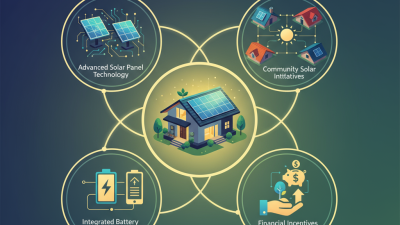
Technological advancements in solar energy systems have transformed how businesses approach energy generation. Solar panels are now more efficient, capturing more sunlight and converting it into usable energy. This means businesses can rely less on traditional power sources, reducing their energy costs significantly.
One area to consider is solar storage. Battery technologies have improved, allowing businesses to store excess energy for later use. This capability is crucial for maximizing efficiency. It ensures that energy generated during sunny days can be utilized during peak times.
Tips: Evaluate your business’s energy needs before installation. Choose a system that suits your specific requirements. Regular maintenance of solar panels is essential to ensure optimal performance. Even small obstructions can reduce efficiency significantly, highlighting the need for regular checks. By staying informed, businesses can adapt to innovations in the solar industry, making the most out of their energy investments.
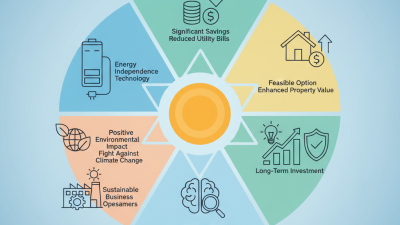
Why Choose Solar Energy Installation for Your Business? - Technological Advancements in Solar Energy Systems
| Feature |
Description |
Benefits |
| Reduced Energy Costs |
Solar power systems generate energy from sunlight, significantly decreasing electricity expenses. |
Long-term savings and improved profit margins. |
| Sustainability |
Solar energy is renewable, reducing reliance on fossil fuels and lowering carbon footprint. |
Enhances corporate social responsibility and brand image. |
| Technological Innovations |
Advancements such as solar tracking systems and energy storage make solar installations more efficient. |
Increases energy output and reliability. |
| Government Incentives |
Various tax credits and rebates are available for businesses installing solar energy systems. |
Reduces initial investment and accelerates return on investment. |
| Increased Property Value |
Solar installations can enhance the value of commercial properties. |
Attracts potential buyers and tenants seeking green buildings. |