4560 Eastgate Pkwy

Mississauga, ON.

1-888-331-3305

416-559-SOLR (7657)

How to Choose a Solar Power System for Your Home?

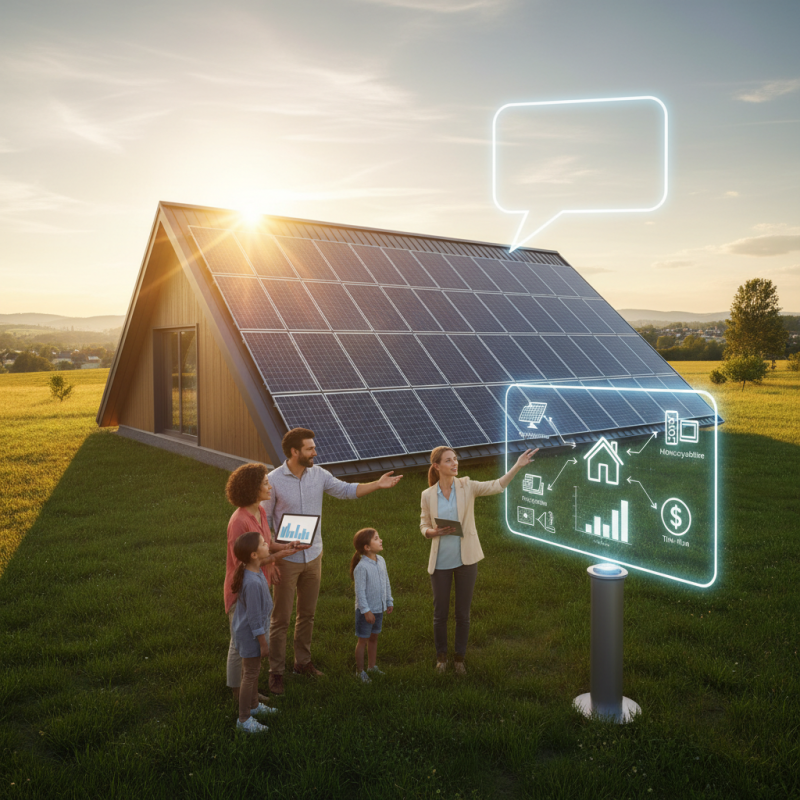
Choosing a solar power system for your home is a significant decision. Industry expert Dr. Emily Green emphasizes, "The right solar power system can transform your energy consumption." But how do we determine what is the right fit for our needs?

Start by assessing your energy consumption. Look at your utility bills over the past year. This gives you a foundation to build upon. Next, consider the available space on your roof. Is it sunny enough? Are there any obstructions? These factors can limit your options.

Technology in solar power systems can be overwhelming. Many types exist, each with different efficiencies and costs. Selecting the most suitable one requires careful research. Remember, a poorly chosen system may lead to unexpected costs or underperformance. It's essential to ask questions and seek expert advice. Ultimately, the right solar power system should meet your unique energy needs while maximizing efficiency.
How to Choose a Solar Power System for Your Home?

Understanding Your Energy Needs and Consumption Patterns

When choosing a solar power system, understanding energy needs is crucial. Each home has unique patterns of energy consumption. This includes daily routines, appliance usage, and seasonal variations. For example, a household with children may have higher evening energy use. Tracking energy bills can help identify these trends.

Evaluating your energy habits can reveal insights. Do you often use energy-intensive appliances like dryers or heaters? What times do you consume the most energy? A detailed analysis may show unexpected peaks. You might find you use more energy during weekends, or at specific times of day. This information is vital when sizing your solar system.

It’s essential to consider future energy needs too. Are you planning to expand your family or work from home? Anticipating these changes can guide your decision. Nevertheless, many overlook these aspects, leading to systems that may not fully meet future demands. Adjusting your expectations and reflecting on how energy use may evolve is key to making an informed choice.
Evaluating Different Types of Solar Power Systems Available

When evaluating different types of solar power systems, consider key factors. There's a range of options: grid-tied, off-grid, and hybrid systems. A grid-tied system connects to your local utility. It usually costs less. Reports show average installations ranging from $15,000 to $25,000 in the U.S. However, relying solely on the grid can have drawbacks during outages.

Off-grid systems operate independently. They require battery storage, which increases complexity and cost. Data indicates that these systems often exceed $30,000 due to battery and installation expenses. They offer energy independence but come with high initial costs and maintenance issues.

Hybrid systems blend both options. They provide backup battery storage and connect to the grid. This flexibility caters to varied energy needs. However, they can be more complicated to install. Costs typically range from $20,000 to $35,000. Each system type has unique pros and cons. It's crucial to assess your home's energy needs and budget. Reflect on the long-term implications of each choice as technology evolves.

Determining the Optimal Size and Capacity for Your Home

How to Choose a Solar Power System for Your Home?

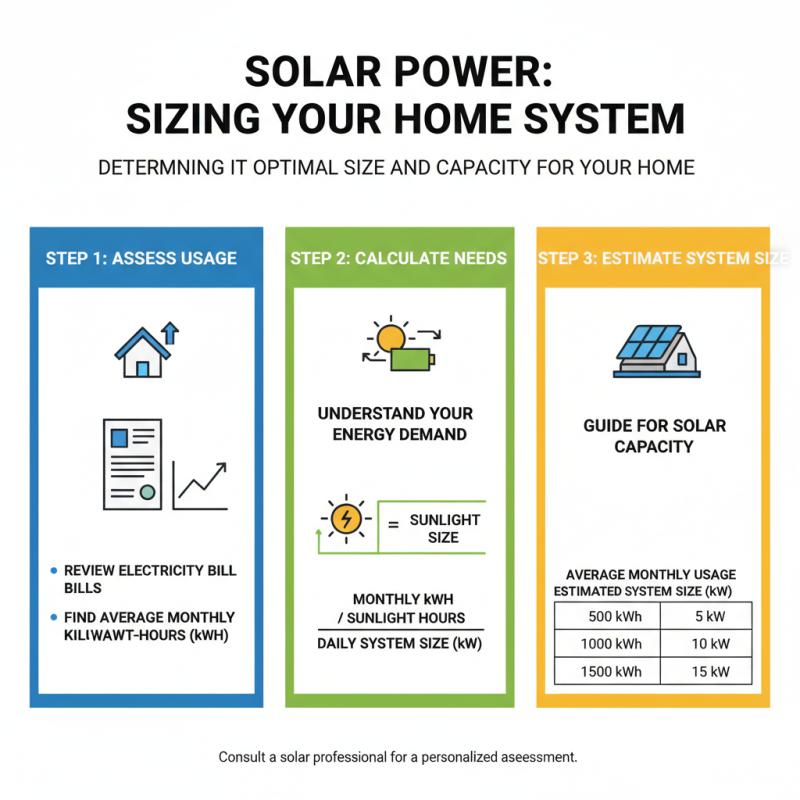
When choosing a solar power system, sizing is key. The optimal capacity depends on your energy needs. Start by reviewing your electricity bills. Understand your average monthly usage in kilowatt-hours. This number will guide you in estimating the system size you require.

Additionally, consider the efficiency of solar panels. Not all panels produce the same amount of energy. The orientation and tilt of your roof can affect performance too. If your roof has shading or faces north, you may need a larger system. This detail is often overlooked.

It’s crucial to think about future energy use. Will your family grow? Do you plan to buy an electric vehicle? These factors can influence your decision. Sometimes, what seems sufficient today may fall short tomorrow. Take your time to assess your lifestyle and energy demands carefully. A well-thought-out decision now can lead to better long-term savings.

Choosing the Right Installation and Equipment Providers

How to Choose a Solar Power System for Your Home?

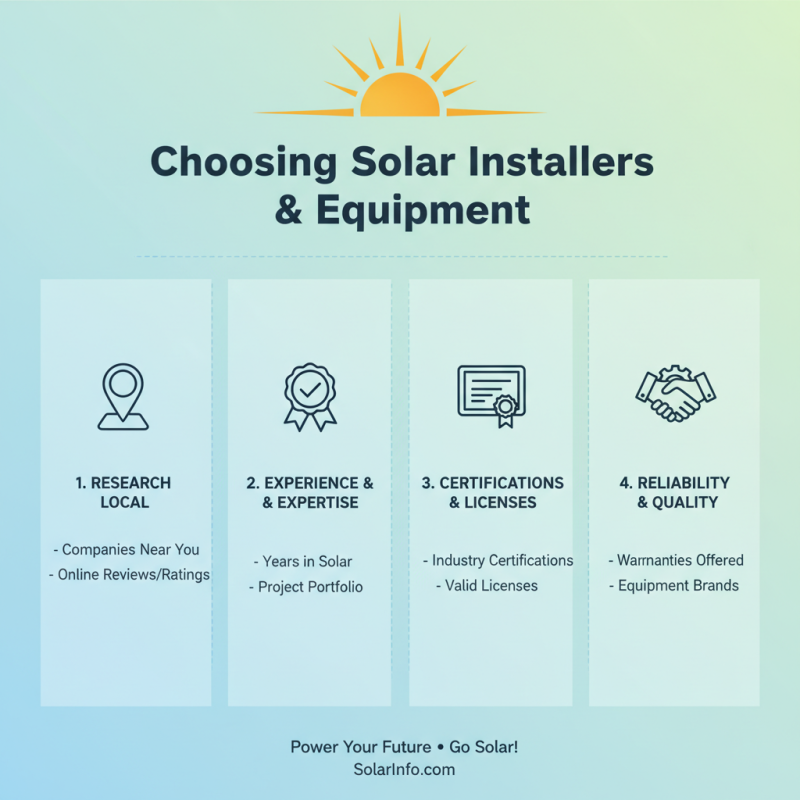
Choosing the right installation and equipment providers is crucial for a successful solar power system. Start by researching local companies. Read reviews and ratings from previous customers. Pay attention to their experience and expertise in solar energy. Look for certifications and licenses. These factors can indicate reliability and professionalism.

When contacting providers, request multiple quotes. This helps you understand the market rate. Compare the equipment they offer. Some systems might look attractive but lack efficiency. Don’t rush into a decision. Think about long-term benefits versus short-term savings. Ask about warranties and maintenance plans. Absorb all available information before concluding.

In discussions with installers, be clear about your needs. Some may push specific products. Stay focused on what suits your home best. It’s okay to seek a second opinion. Transparency is vital. Providers should explain every component clearly. Trust your intuition. If something feels off, dig deeper. Remember, this is an investment in your future. Your comfort and satisfaction matter most.

Exploring Financial Incentives and Long-term Savings Potential

When selecting a solar power system for your home, understanding financial incentives is crucial. Homeowners can often access federal tax credits, which can cover up to 26% of installation costs. In many regions, state programs further enhance savings through rebates and tax breaks. A study by the National Renewable Energy Laboratory indicates that over a 20-year span, homeowners can save between $10,000 to $30,000 on electricity bills. This makes solar power systems economically attractive.

However, not every option fits every home. Roof orientation, shading issues, and local climate play significant roles in system efficiency. If your roof isn't optimal, the energy savings might not justify the installation expense. Moreover, maintenance costs are an aspect that often gets overlooked. While solar panels have a long lifespan, occasional cleaning and inverter replacements are needed, which can add to overall expenses.

It’s vital to conduct a cost-benefit analysis unique to your situation. Evaluate how long you plan to stay in your home. For instance, if selling soon, recouping investment may pose challenges. Understanding these nuances helps avoid financial pitfalls and enhances long-term savings potential.