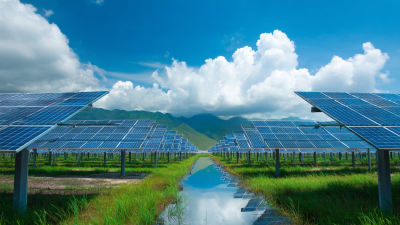
Why Choose a Home Solar Power System for Your Energy Needs?
The growing demand for sustainable energy solutions has led many homeowners to consider a home solar power system. According to the International Energy Agency, solar power capacity has expanded significantly, with a remarkable increase of over 20% in the last year alone. This shift reflects a broader trend of individuals seeking energy independence and reducing reliance on traditional energy sources.
Home solar power systems offer numerous advantages, including lower electricity bills and a smaller carbon footprint. The U.S. Department of Energy reports that households with solar panels can save an average of $2,000 annually on energy costs. Additionally, with incentives like tax credits and rebates, the initial investment in a home solar power system becomes more accessible for families.
However, transitioning to solar energy isn’t without challenges. Some homeowners face obstacles such as high upfront installation costs or inadequate roof space. These factors require careful consideration and planning. As you explore the benefits and hurdles of a home solar power system, reflecting on these aspects will help clarify whether solar is a suitable choice for your energy needs.

Benefits of Utilizing Solar Energy for Home Power Supply
Utilizing solar energy for home power supply comes with numerous benefits that homeowners can appreciate. First, solar systems can significantly reduce your energy bills. Imagine generating your own electricity, cutting down reliance on grid power. Some homes even sell back excess energy to utility companies, creating extra income. That sounds appealing, doesn’t it?
Another remarkable advantage is environmental impact. Solar energy is clean and renewable. By using solar panels, you contribute to reducing carbon emissions. This decision benefits the entire planet. However, the initial setup cost can be daunting. Many families hesitate to invest upfront without clear long-term savings.
Solar technology has improved greatly over the years. Panels are more efficient and require less space. Homeowners must weigh these improvements against their budgets. Will the investment pay off in your specific situation? It’s a significant consideration. Despite potential drawbacks, many find the shift to solar to be a rewarding journey toward sustainability.
Cost Savings and Return on Investment of Solar Power Systems
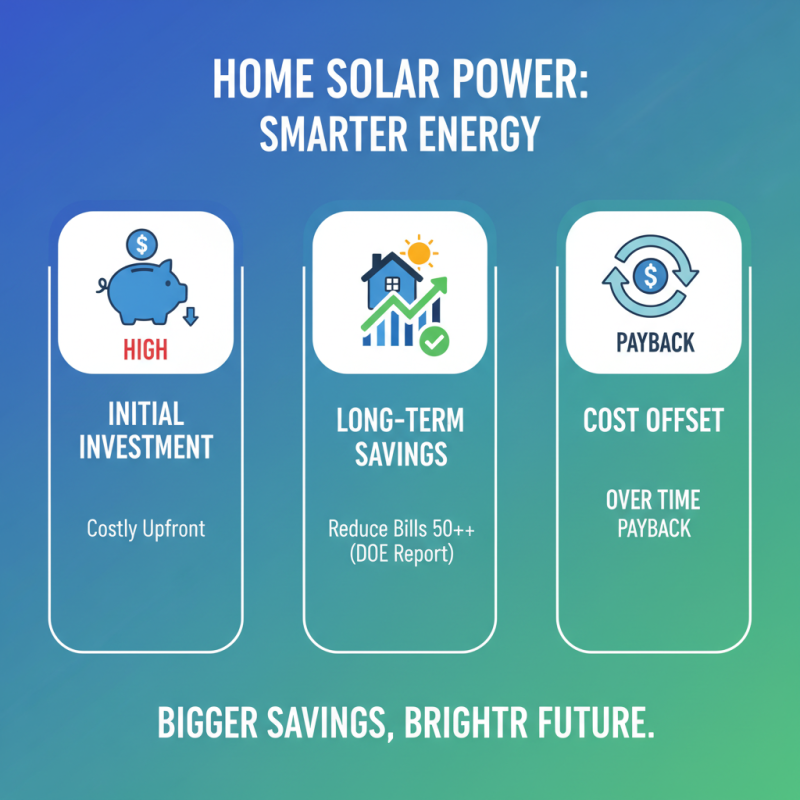
Home solar power systems are becoming an attractive option for many homeowners. The initial investment can be daunting. However, the potential for cost savings is significant. A report by the U.S. Department of Energy shows that solar panel installations can reduce electricity bills by 50% or more. Over time, these savings can offset the installation costs.
The average payback period for a solar system is about 6 to 8 years. After this period, homeowners can enjoy free electricity for decades. According to the National Renewable Energy Laboratory, homeowners can save between $20,000 and $50,000 over the lifespan of their solar system. This is based on current energy costs. However, factors like installation quality and local incentives could affect these numbers.
While the financial benefits are compelling, not every installation is without issues. Some homeowners face maintenance challenges. Issues like inverter failures can arise. It’s essential to choose a qualified installer to minimize these risks. Understanding local solar laws and regulations is also crucial. Potential buyers should consider these variables before moving forward.
Environmental Impact and Sustainability of Home Solar Energy
Home solar energy systems significantly reduce environmental impact. Traditional energy sources like coal and natural gas emit greenhouse gases. This contributes to climate change, which poses a threat to our ecosystems. In contrast, solar energy generates electricity without harmful emissions. According to the U.S. Department of Energy, transitioning to solar can mitigate about 1 billion tons of CO2 annually.
Sustainability is another critical aspect. Solar panels can last over 25 years, offering long-term energy solutions. They convert sunlight into power, a renewable resource. Studies reveal that solar energy reduced water usage in power generation by up to 95%. This is vital in addressing water scarcity issues.
However, challenges exist. The production of solar panels involves mining and manufacturing processes, which can have negative effects. Not all regions benefit equally from solar due to geographic limitations. Despite these hurdles, the potential of home solar energy remains strong. It’s crucial to evaluate local conditions and the full lifecycle impact of solar technology. Balancing these factors can lead to smarter energy choices for a sustainable future.
How Solar Power Increases Home Value and Attracts Buyers
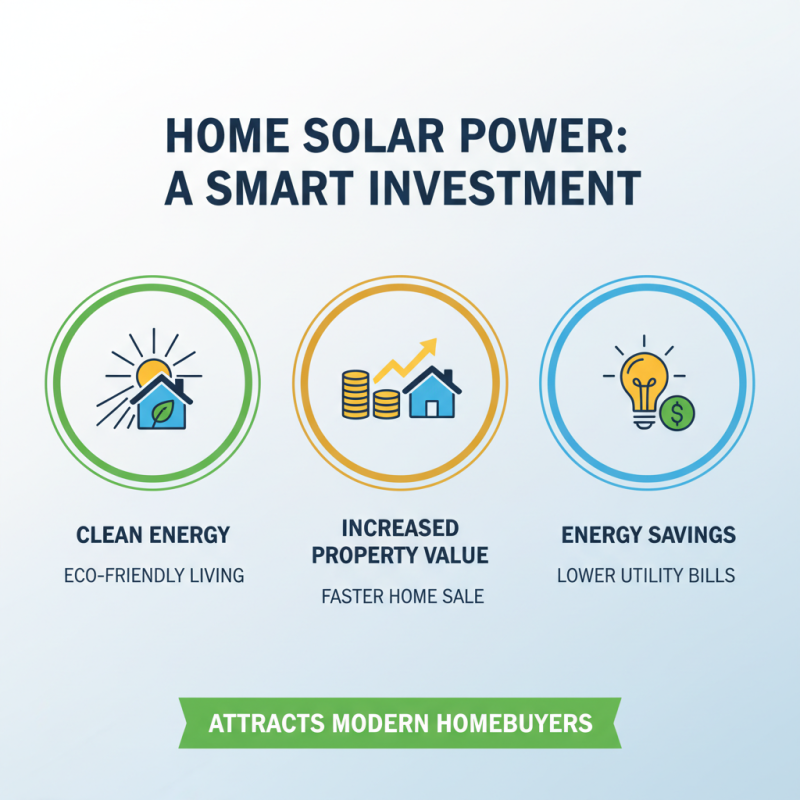
Investing in a home solar power system can be a game changer. Not only does it provide clean energy, but it also significantly boosts property value. Homes equipped with solar panels often attract buyers more easily. Many homebuyers are now looking for energy-efficient options. A solar system represents an eco-friendly lifestyle, appealing to environmentally conscious buyers.
The financial aspects are also compelling. Studies show that homes with solar installations sell for more than those without. Buyers recognize the long-term savings on energy bills. They appreciate the idea of reduced electricity costs. However, not all homes are suitable for solar. Factors like roof orientation and shading can complicate installation. Prospective buyers may want to ensure the system is well-maintained.
Potential owners need to weigh the pros and cons. Not every solar system suits every household. Some find the upfront costs daunting. Yet, many financing options exist. Overall, a solar power system could be a worthy investment for homeowners aiming to enhance their property’s value.
Government Incentives and Tax Benefits for Solar Energy Adoption
Government incentives play a significant role in solar energy adoption. Many regions offer tax credits to homeowners who install solar systems. According to the Solar Energy Industries Association (SEIA), the federal solar investment tax credit (ITC) allows homeowners to deduct 26% of system costs from federal taxes. This percentage will decrease in the coming years, making now an ideal time to invest.
In addition to tax benefits, various states provide rebates. These rebates can substantially reduce upfront costs. For example, some states offer rebates up to $0.75 per watt installed. This translates to substantial savings on a typical residential solar power system, often worth thousands of dollars. Homeowners can see a return on investment in just a few years.
Yet, the solar market is not without challenges. Some people may find the installation process complicated or daunting. Understanding financing options can also be tricky. It’s essential to research and weigh all factors before making a decision. The incentive landscape may shift, impacting overall affordability.
Why Choose a Home Solar Power System for Your Energy Needs? - Government Incentives and Tax Benefits for Solar Energy Adoption
| Incentive Type |
Description |
Percentage/Amount |
Eligibility |
| Federal Tax Credit |
Tax credit for solar energy systems |
26% of system cost |
All homeowners |
| State Tax Credit |
State-level solar incentives |
Up to 25% of system cost |
Varies by state |
| Renewable Energy Certificates |
Certificates for generating solar power |
$15-$50 per certificate |
Homeowners with registered systems |
| Sales Tax Exemption |
Exemption from sales tax on solar equipment |
100% exemption |
Varies by state |
| Net Metering |
Billing arrangement with utility companies |
Credits for excess energy produced |
All homeowners |