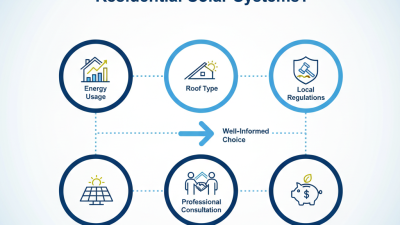
Why Should Businesses Invest in Solar Panels for Sustainable Energy Savings?
In today's world, sustainability has become a priority for businesses. Investing in solar panels for business is a key step towards achieving this goal. These panels harness renewable energy from the sun, creating a substantial reduction in energy costs. Many companies have already made this transition and are reaping the rewards.
Solar panels for business not only cut expenses, but also improve brand image. Customers increasingly prefer eco-friendly companies. Moreover, governments often offer incentives for going solar. This makes the initial investment more appealing and accessible. However, businesses must carefully evaluate their energy needs and site conditions. An ill-suited installation might lead to underperformance and financial loss.
The journey to sustainability is not without challenges. Initial costs can be daunting, and technical issues may arise. Businesses must consider long-term benefits versus immediate hurdles. Adopting solar energy requires a commitment to change. Despite these challenges, the potential for savings and sustainability make solar panels an investment worth considering for forward-thinking businesses.
Benefits of Solar Panels for Businesses' Energy Savings
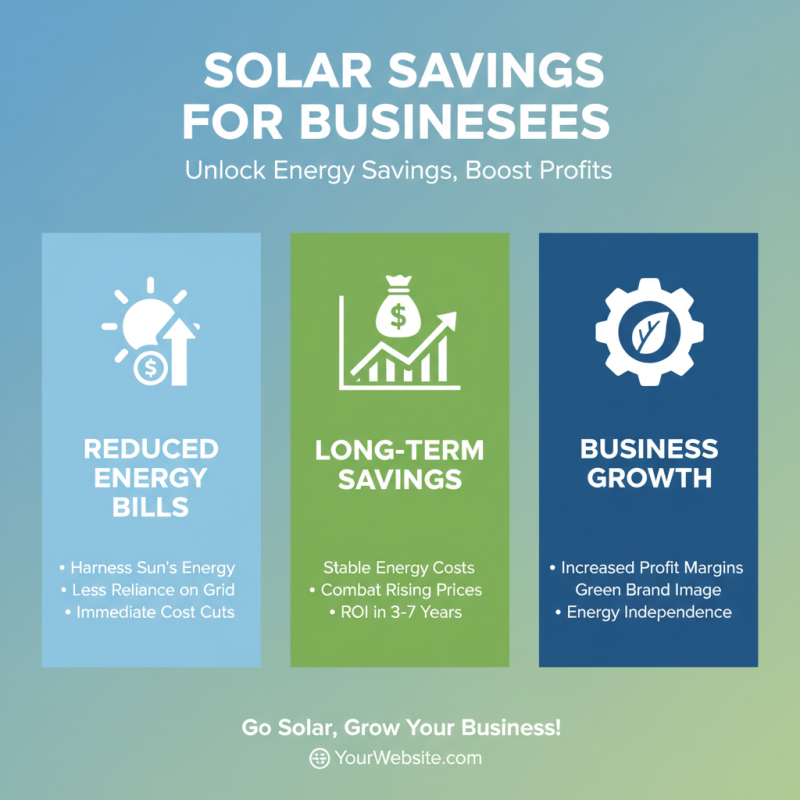
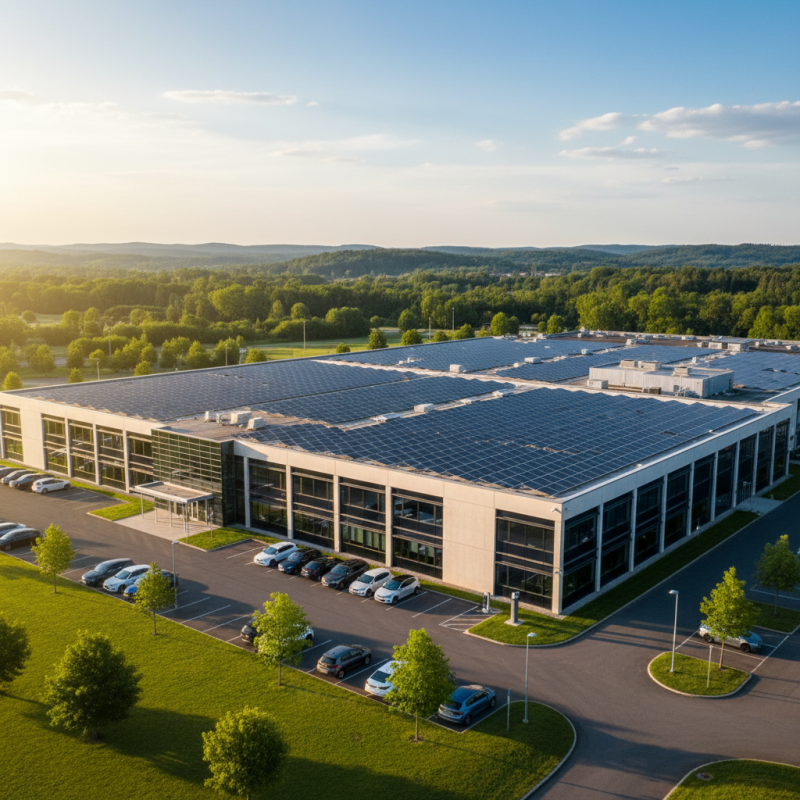
Investing in solar panels offers significant energy savings for businesses. By harnessing the sun’s energy, companies can reduce their reliance on traditional electricity sources. This shift leads to substantial cost reductions over time, especially with rising energy prices. For many small and medium-sized businesses, solar energy can be a game-changer.
The environmental benefits of solar panels are notable. Switching to sustainable energy reduces carbon footprints. This transition aligns with consumer preferences for eco-friendly practices. However, the initial investment can be daunting. Businesses often struggle with financing options and installation logistics. It's essential to weigh short-term challenges against long-term benefits. Each aspect requires careful consideration.
Moreover, maintenance is crucial. Solar systems require regular check-ups to function optimally. Neglecting maintenance can lead to inefficiencies and higher costs. On the other hand, successful implementation can boost a company's reputation. Customers increasingly support brands committed to sustainability. Businesses should thoughtfully explore how solar energy can transform their operations and impact the environment.
Understanding the Long-Term Cost Savings from Solar Investments
Investing in solar panels can lead to significant long-term cost savings for businesses. According to the U.S. Department of Energy, commercial solar installations can reduce electricity costs by 75%. This reduction directly impacts a company’s bottom line, allowing for more funds to be allocated to growth initiatives. Furthermore, solar systems can provide a stable energy source, shielding businesses from fluctuating utility rates.
The initial investment in solar technology often raises concerns. However, the National Renewable Energy Laboratory (NREL) reported that the average payback period for solar systems ranges from 5 to 7 years. Once paid off, businesses enjoy decades of low-cost energy. For many companies, maintenance costs are minimal, adding to the financial benefits. Yet, companies must also consider local incentives and rebates, which can further improve return on investment.
In some cases, installations might not yield immediate returns, especially in regions with low sunlight. This potential risk requires businesses to carefully analyze their energy needs and local climate. The decision to switch to solar is complex and varies by location. Still, the shift to renewable energy opens doors to sustainable growth. Companies should weigh these factors against the long-term financial gains to make informed choices.
Long-Term Cost Savings from Solar Investments
This bar chart illustrates the projected cost savings from an investment in solar panels over a span of 20 years. As businesses adopt solar energy, they can expect increasing savings each year, leading to significant long-term financial benefits.
Environmental Impact of Solar Energy for Corporate Sustainability
The environmental impact of solar energy on corporate sustainability is profound. Solar panels generate electricity without emitting greenhouse gases. This transition reduces reliance on fossil fuels. Using solar energy can substantially lower a business's carbon footprint. The production of solar energy helps combat climate change, which affects ecosystems everywhere.
Implementing solar energy may pose initial challenges. Companies might face high upfront costs for installation. Some may worry about potential inefficiencies in energy generation. Yet, the long-term savings on energy bills often outweigh these initial obstacles. Many businesses find that investing in solar panels ultimately improves their public image.
Moreover, solar energy can make businesses more resilient. In an era of fluctuating energy prices, solar provides a stable, predictable energy source. Companies embracing solar power demonstrate leadership in corporate sustainability. This commitment not only benefits the environment but also attracts eco-conscious consumers. Balancing investment and sustainability requires continuous reflection and adjustment.
Why Should Businesses Invest in Solar Panels for Sustainable Energy Savings? - Environmental Impact of Solar Energy for Corporate Sustainability
| Dimension |
Data |
| Average Annual Energy Savings (USD) |
$20,000 |
| CO2 Emissions Reduced (tons/year) |
50 |
| Return on Investment (ROI) over 20 years (%) |
150% |
| Average Payback Period (years) |
6 |
| Percentage of Businesses Already Investing in Solar (%) |
30% |
| Increase in Property Value ($) |
$10,000 |
Government Incentives and Financial Support for Solar Adoption
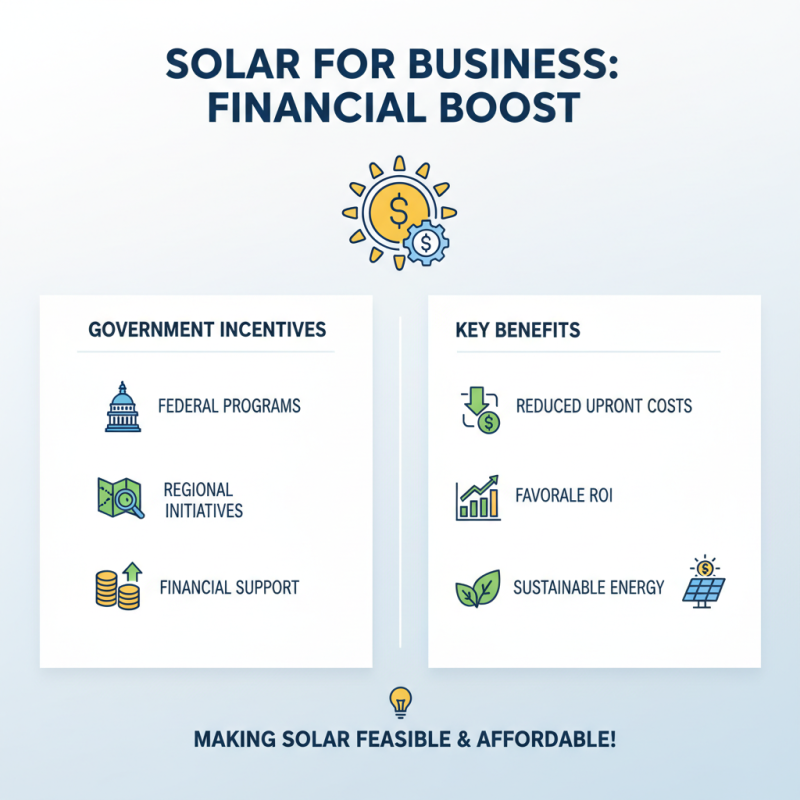
Investing in solar panels is a smart choice for businesses looking for sustainable energy solutions. One of the most appealing aspects of solar energy is government incentives. Various regional and federal programs offer financial support to promote solar adoption. These incentives can significantly reduce initial installation costs, making solar a feasible option for many businesses.
Tax credits, rebates, and grants are just a few examples of support available. For instance, businesses can often deduct a portion of their solar installation expenses from their taxes. This not only lowers upfront costs but also enhances return on investment over time. Moreover, some programs offer low-interest loans to help cover installation costs.
Tips: Research local incentives to maximize your savings. Consult a financial expert to navigate these options. Also, consider the long-term benefits versus the initial investment. With proper planning, the transition to solar can lead to significant cost savings. However, not every business will find solar to be the perfect fit. Discuss the pros and cons with your team to make an informed decision.
Steps for Businesses to Implement Solar Energy Solutions
Investing in solar energy can seem daunting. However, businesses can take simple, actionable steps towards implementation. The first step is to assess energy needs. This involves calculating current energy consumption and analyzing costs. Understanding these factors helps in estimating potential savings from solar panels.
Next, businesses should conduct a site evaluation. This includes checking roof space and angle for solar panel installation. Not every building is ideal for solar. Older structures may require upgrades. It’s important to identify obstacles early in the process.
After evaluating the site, consider financing options. There are various programs and incentives available. Research local, state, and federal initiatives that support solar implementation. This is crucial for maximizing the financial benefits. While the initial investment can be significant, the long-term savings can outweigh these costs. Through careful planning, businesses can successfully transition to solar energy.