What is the Best Residential Solar Panels for Your Home?
As energy costs rise, homeowners are increasingly turning to residential solar panels. These panels provide a sustainable energy solution. They can significantly reduce electricity bills and lower carbon footprints. However, choosing the right system can be challenging.
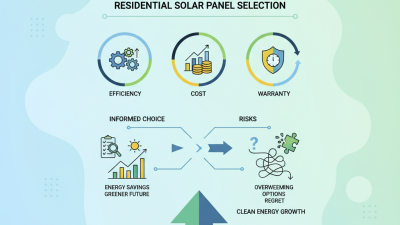
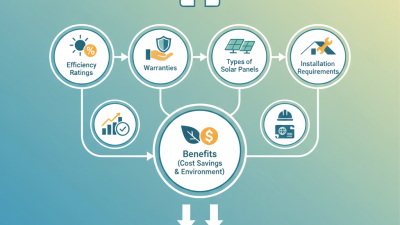
When selecting residential solar panels, consider efficiency and durability. Not all panels are created equal. Some offer higher energy conversion rates, while others may excel in longevity. It's also essential to look at warranties and manufacturer reputations. These factors indicate how well a panel will perform over time.
In addition, installation plays a crucial role in the system's overall success. Improper installation can lead to a decrease in efficiency. It's vital to find experienced professionals. Homeowners should also be aware of local regulations and potential incentives. Taking these steps can ensure a better investment in solar technology.
Understanding the Basics of Residential Solar Panels
Understanding residential solar panels can seem complex. Solar panels convert sunlight into electricity. They consist of photovoltaic (PV) cells that absorb light energy and generate direct current (DC) electricity. According to the U.S. Department of Energy, the average home solar system can reduce energy bills by up to 90%. This indicates significant savings over time.
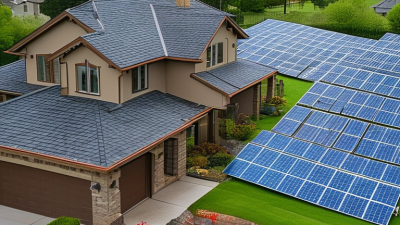
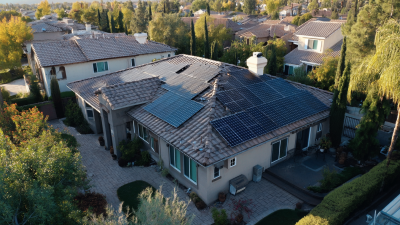
Installation requires a careful assessment of your roof. Factors like orientation, shading, and tilt can impact efficiency. Research shows that an ideal roof receives unobstructed sunlight for most of the day. A report by the National Renewable Energy Laboratory highlights that homes with solar panels saw an increase in property value by about 4.1%. This places solar energy as not just an energy solution but also a sound investment.
However, not every home is a perfect candidate for solar energy. Many factors can lead to lower efficiency. Older roofs may require replacement before installation. Additionally, initial costs remain a barrier for some homeowners. While federal tax credits can alleviate expenses, careful financial planning is essential. Adopting solar energy is beneficial, but thorough consideration is necessary to ensure long-term success.
Evaluating Your Home's Energy Needs for Solar Solutions
Evaluating your home's energy needs is crucial for selecting the best residential solar panels. Start by assessing your energy consumption patterns. On average, a U.S. household uses about 877 kWh per month, according to the U.S. Energy Information Administration. This data can guide you in determining the appropriate system size. Ideally, your solar panel system should offset a significant portion of your electricity bill, contributing to long-term savings.
Consider your roof orientation and shading. A south-facing roof receives optimal sunlight. In the U.S., homes with minimal shading can generate about 1,200 to 1,800 kWh per installed kW annually. However, if trees or nearby buildings cast shadows, you might need to alter your installation plan or even trim some branches.
Evaluate your local utility rates. These rates impact the potential savings from solar energy. If your area has high electricity costs, investing in solar is more beneficial. Also, keep track of state incentives or rebates. They can significantly lower installation costs. It’s crucial to remain informed about changing policies that may affect your investment in solar technology.
Relying solely on solar can be risky during low sunlight periods. Integrating battery storage may provide a more reliable energy solution. While these systems increase upfront costs, they offer greater energy independence and resilience. Be ready to navigate these complexities to achieve the best results for your energy needs.
Top Features to Look for in Residential Solar Panels
When considering residential solar panels, several key features stand out. Efficiency is one of the most critical factors. Higher efficiency means more energy production from the same amount of sunlight. Look for panels that convert at least 16-20% of sunlight into electricity. This can significantly impact your energy bills and the return on investment over time.
Durability is another essential characteristic. Solar panels should withstand various weather conditions. This includes high winds, heavy snow, and hail. Reading reviews and certifications can help gauge a panel's longevity. Understanding the warranty offerings is vital too. Many panels come with 25-year warranties, but not all warranties are created equal.
Additionally, aesthetics play a role for many homeowners. Solar panels come in different colors and designs. Some people prefer sleek, black panels, while others might opt for traditional blue ones. A well-designed array can enhance the home’s appearance. It's essential to balance aesthetics with performance. It’s worth reflecting on whether form or function holds more importance. Making an informed decision requires weighing all these factors carefully.
Comparing Leading Brands of Solar Panels for Homes
When considering solar panels for your home, evaluating the leading brands is essential. A recent report by the Solar Energy Industries Association (SEIA) indicates that solar power use has surged by 167% over the past five years in the residential sector. This data underscores the growing reliance on solar energy, prompting homeowners to choose quality panels.
One key factor is efficiency. High-efficiency solar panels convert more sunlight into electricity. Consider panels with over 20% efficiency. Durability matters too. Panels typically last 25-30 years, so investing in a reliable brand pays off. Yet, not all brands perform the same in varied climates. It’s important to assess how different products handle shade, temperature fluctuations, and hail.
Choosing solar panels can be overwhelming. Start by reading customer reviews. Take note of real-world performance. Look for panels with robust warranties. Aim to understand the degradation rate, as quality determines longevity. Some panels lose efficiency faster than others. Evaluating certifications from entities like the Photovoltaic Quality Assurance (PQA) also ensures reliability.
Researching can reveal gaps in the market. Many brands claim high performance, yet long-term reviews may tell a different story. Engage with community forums to gather firsthand experiences. Keeping an open mind will lead to a more informed decision in your solar journey.
Comparison of Key Features of the Best Residential Solar Panels
This chart compares the efficiency, warranty period, cost per watt, and customer ratings of leading residential solar panels. The data represents an aggregation of industry standards and feedback to help homeowners make informed decisions.
Cost Considerations and Savings from Residential Solar Installation
When considering residential solar panels, cost is a significant factor. A report from the U.S. Department of Energy indicates that the average price of solar installations is around $3.00 to $4.00 per watt. This means a typical 6kW system will cost between $18,000 and $24,000 before tax credits. The Federal Solar Investment Tax Credit (ITC) allows for a 26% deduction on the installation cost, lowering upfront expenditures considerably.
Many homeowners experience significant savings after switching to solar. According to a National Renewable Energy Laboratory study, homeowners save an average of $20,000 over 20 years. Savings vary based on location, energy consumption, and utility rates. However, initial costs can deter potential adopters. It’s essential to evaluate the long-term benefits against these initial expenses.
One key consideration is financing. Many options exist, including loans and leasing, each with unique benefits and drawbacks. What works for one might not suit another. Analyze what fits your financial situation best.
Assess your energy usage; a detailed understanding can help identify the optimal system. Look into local rebates or incentives, which can significantly enhance savings. Engage with reputable solar consultants to ensure informed decision-making throughout the process.