Top 10 Benefits of Switching to Solar Power for Your Home
As the world increasingly shifts towards sustainable energy solutions, solar power stands out as a leading alternative for homeowners. According to a report by the International Energy Agency (IEA), solar power capacity is expected to increase significantly, with an estimated growth rate of 20% annually over the next five years. This remarkable uptick is not only driven by technological advancements but also by rising energy costs and a collective desire to mitigate environmental impacts.
Dr. Sarah Johnson, a well-known renewable energy expert, emphasizes the transformative potential of solar energy, stating, "Switching to solar power is not just an investment in your home; it's an investment in our planet's future." This sentiment reflects a growing awareness among consumers regarding the financial and environmental benefits that come with embracing solar power solutions. From reducing energy bills to increasing property values, the advantages of transitioning to solar power are compelling and diverse, making it an attractive option for modern homeowners. As we explore the top ten benefits of switching to solar power, it becomes clear that this energy source offers more than just savings; it paves the way for a sustainable future.

Understanding Solar Power: A Comprehensive Overview
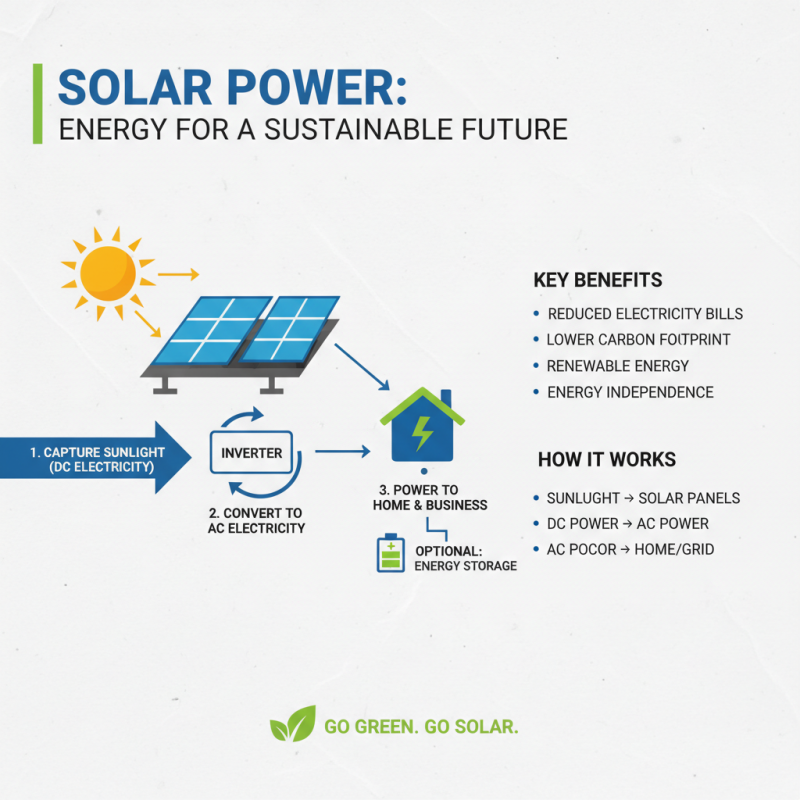
Solar power harnesses energy from the sun, converting it into electricity that can be used to power homes and businesses. This renewable energy source not only reduces reliance on fossil fuels but also provides a sustainable alternative for meeting energy needs. Understanding how solar power works is essential for homeowners considering this transition. Solar panels capture sunlight and convert it into direct current (DC) electricity, which is then transformed into alternating current (AC) electricity for home use. This process significantly reduces electricity bills and minimizes the carbon footprint associated with traditional power sources.
When switching to solar power, homeowners can maximize their benefits by taking a few simple steps. First, conducting an energy audit can help determine the overall energy needs of the home and identify efficiency improvements. Investing in energy-efficient appliances and insulation can further reduce energy consumption, making the solar system more effective. Additionally, understanding local incentives and programs can help offset the upfront costs associated with solar panel installation.
Regular maintenance of solar panels is another tip to ensure optimal performance. Keeping the panels clean and unobstructed from debris will enhance their efficiency. Homeowners should also monitor their energy production and usage to better understand their savings and the system's performance over time. By educating themselves about solar power and taking proactive measures, homeowners can enjoy the numerous benefits of switching to this sustainable energy source.
Cost Savings: How Solar Energy Reduces Your Energy Bills
Switching to solar power offers significant cost savings for homeowners, primarily through reduced energy bills. According to the Solar Energy Industries Association (SEIA), residential solar systems can save homeowners an average of $20,000 over 20 years in energy costs, depending on local electricity rates and the amount of sunlight their homes receive. This transition not only helps you slash monthly expenses, but also provides an opportunity for increased long-term savings as utility prices continue to rise. In fact, utility rates have traditionally increased by about 3% to 5% annually, making solar energy an increasingly attractive alternative.
Moreover, by generating your own electricity, you become less vulnerable to fluctuations in energy prices. A report from the National Renewable Energy Laboratory (NREL) indicates that converting to solar can lead to an average bill reduction of 50% to 70%. Considering that in many parts of the United States, the average household spends about $1,500 on electricity annually, this translates into significant savings year after year. Additionally, many homeowners can benefit from federal tax credits and local incentives, further enhancing the financial appeal of solar investment, allowing for a quicker return on investment and making solar an economically viable choice for many.
Top 10 Benefits of Switching to Solar Power for Your Home - Cost Savings: How Solar Energy Reduces Your Energy Bills
| Benefit |
Description |
Estimated Savings ($/year) |
| Reduced Electricity Bills |
Solar panels generate renewable energy reducing reliance on grid energy. |
$1,000 |
| Tax Incentives |
Federal and state tax credits can significantly reduce installation costs. |
$2,000 |
| Increased Home Value |
Homes with solar energy systems can sell for more than those without. |
$15,000 |
| Low Maintenance Costs |
Solar power systems require minimal maintenance over their lifespan. |
$100 |
| Energy Independence |
Less dependence on fossil fuels and energy companies. |
Varies |
| Environmental Impact |
Reduction in carbon footprint contributing to a healthier planet. |
N/A |
| Grid Security |
Decentralized energy reduces vulnerability to grid failures. |
N/A |
| Net Metering |
Earn credits for excess energy produced, reducing costs further. |
$300 |
| Community Programs |
Access to community solar programs can increase savings. |
$250 |
| Resilience |
Solar can provide power during outages if paired with storage. |
Varies |
Environmental Impact: The Benefits of Reducing Your Carbon Footprint
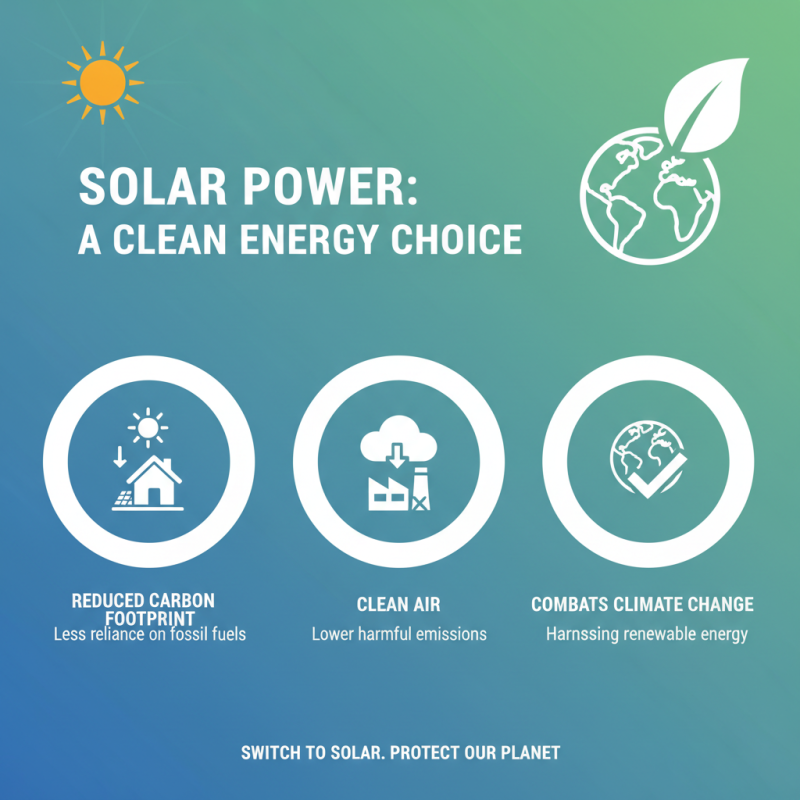
Switching to solar power offers significant environmental benefits, particularly in reducing your carbon footprint. Traditional energy sources, such as coal and natural gas, release substantial amounts of carbon dioxide and other greenhouse gases into the atmosphere. This contributes to climate change and air pollution, impacting both health and the environment. By harnessing the sun’s energy, homeowners can significantly lower their reliance on fossil fuels, leading to a considerable decrease in harmful emissions.
Furthermore, solar energy systems operate on renewable resources, making them a sustainable alternative to conventional power sources. Each kilowatt-hour of energy produced by solar panels reduces the demand for electricity generated from fossil fuels. This transition not only helps mitigate the effects of global warming but also promotes cleaner air and water. As more individuals and communities opt for solar power, the collective impact can lead to a substantial reduction in carbon emissions on a larger scale, fostering a healthier planet for future generations.
Energy Independence: Gaining Control Over Your Energy Source
Switching to solar power offers homeowners the opportunity to gain energy independence, a critical benefit in today’s fluctuating energy market. By generating your own electricity through solar panels, you can significantly reduce or even eliminate your reliance on traditional utility companies. This independence fosters a sense of control over your energy source, allowing you to manage your energy consumption more effectively and insulate yourself from rising energy prices. As your solar system generates power from the sun, you tap into a renewable resource that is both sustainable and abundant.
Moreover, achieving energy independence through solar power can enhance your resilience against power outages and energy shortages. Homeowners with solar systems often invest in battery storage solutions, enabling them to store excess energy for use during non-sunny days or emergencies. This added layer of self-sufficiency empowers homeowners to maintain their electricity needs regardless of external factors. Ultimately, embracing solar energy not only leads to greater control over energy production but also contributes to a cleaner environment and a more stable energy future for individuals and communities alike.
Increased Home Value: The Financial Advantages of Solar Installation
Installing solar panels on your home not only offers environmental benefits but also significantly increases your property value. According to a report by the National Renewable Energy Laboratory (NREL), homes with solar energy systems can see an increase in value by an average of $15,000 compared to similar homes without solar. Furthermore, a study by Zillow revealed that homes with solar panels sold for 4.1% more on average than comparable homes without solar power. This trend highlights the growing market demand for energy-efficient features in residential properties.
The financial advantages extend beyond just the initial increase in home value. Homebuyers are increasingly prioritizing energy-efficient properties, which can lead to a quicker sale and potentially higher bids. In California, for instance, properties equipped with solar installations are experiencing shorter time on the market—often selling 20% faster than those without solar. As more states implement incentives and rebates for solar installation, the financial allure of solar power continues to grow, making it an even more attractive investment for homeowners looking to enhance property value while contributing to sustainability.
Top 10 Benefits of Switching to Solar Power for Your Home