Top Benefits of Solar Energy for Homeowners?
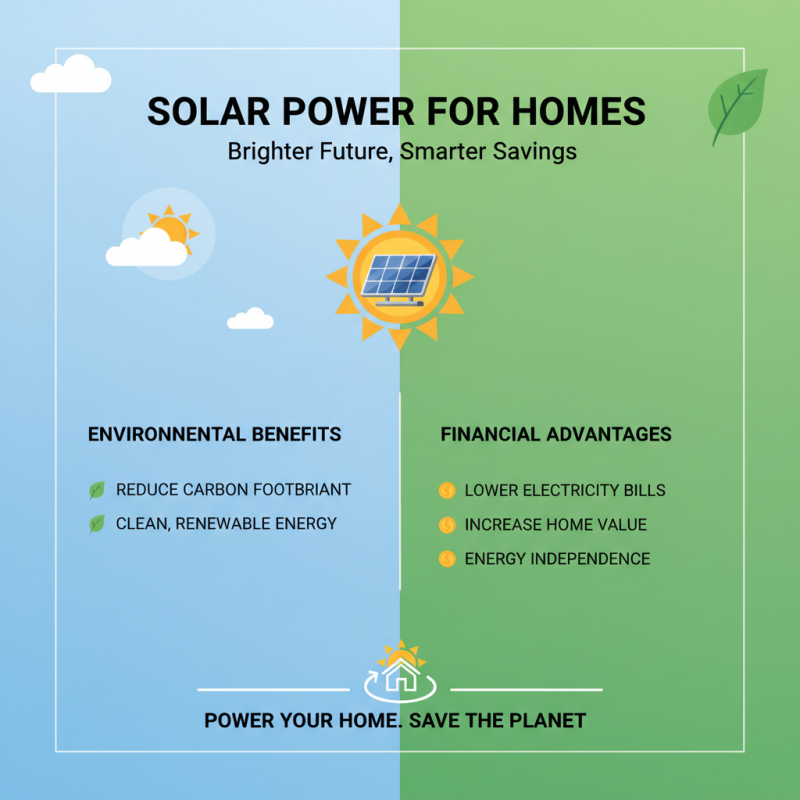
Solar energy is becoming increasingly popular among homeowners. Many people are making the switch to harness its power. This renewable energy source has numerous benefits that can transform households. Reducing electricity bills is a primary advantage. Homeowners can save substantial amounts by generating energy through solar panels.
In addition to cost savings, solar energy contributes to environmental protection. It reduces carbon footprints considerably. Many homeowners are motivated by the desire to create a greener future. They find satisfaction in contributing to the planet's well-being. However, there are challenges in the transition. Some may struggle with the initial investment. Others might face space limitations for solar installations.
Despite these obstacles, the long-term benefits can make solar energy a wise choice. It's essential to weigh both the pros and cons carefully. Homeowners must consider their unique situations before making a decision. Adopting solar energy is not just a trend; it's a commitment to sustainability.

Overview of Solar Energy and Its Importance for Homeowners
Solar energy is becoming increasingly important for homeowners. This renewable resource offers significant advantages, not only for the environment but also for personal finances. By harnessing the power of the sun, homeowners can reduce their electricity bills and decrease their carbon footprint. Solar panels can generate energy that powers home appliances, heating systems, and more.
Adopting solar energy is not without challenges. Initial installation costs can be high, and weather conditions may affect energy production. Homeowners often grapple with deciding whether the investment is worthwhile. Additionally, property location plays a crucial role. Some areas receive more sunlight than others, impacting efficiency.
Despite these hurdles, the long-term benefits are substantial. Homeowners can enjoy energy independence and potential tax incentives. Solar energy systems can increase property value, making homes more attractive to future buyers. It is essential for homeowners to evaluate their specific needs and circumstances before making the switch to solar energy. Each home is unique, and what works for one may not suit another.
Economic Benefits of Solar Energy Installation for Homeowners
Installing solar energy systems presents notable economic benefits for homeowners. Research from the U.S. Department of Energy indicates that homeowners can save about $10,000 to $30,000 over 20 years. These savings stem largely from lowered electric bills, as solar panels generate energy from sunlight. Over time, these reduced costs can make a significant difference in a household budget.
Tax incentives further enhance the economic appeal of solar installations. Homeowners may benefit from a federal tax credit of 26% on the total cost of solar systems. This means a solar setup costing $20,000 could result in a $5,200 tax discount. Additionally, many states offer rebates and incentives, which can further reduce upfront costs. However, not all regions have the same levels of support, leading to disparities in potential savings.
While solar energy is a favorable investment, there are important considerations. Not all roofs are ideal for solar panels; factors like shading and orientation play a crucial role. Homeowners should also consider the long-term commitment, as solar systems typically last 25 years or more. Thoroughly assessing individual circumstances is critical. Miscalculating potential savings can lead to disappointment or financial strain.
Environmental Impact of Using Solar Energy at Home
The environmental impact of using solar energy at home is significant. Solar panels harness sunlight, reducing dependence on fossil fuels. This shift lowers greenhouse gas emissions. Cleaner air benefits everyone, cutting down respiratory diseases in communities. A home powered by solar energy can decrease its carbon footprint considerably.
Yet, the transition isn't flawless. Some may argue that solar production involves resource-intensive manufacturing. The process requires energy, and not all of it comes from renewable sources. Disposal of old panels raises concerns about waste. Homeowners must think critically about the lifecycle of solar energy systems. Local ecosystems can also be disturbed during installation. Balancing the benefits and challenges is essential for sustainable living.
However, the advantages often outweigh the negatives. With continued innovation in technology, future solutions may address these issues. Solar energy promotes a healthier planet, contributing to a more sustainable future for generations to come. Homeowners should weigh these factors carefully.
Increased Property Value Through Solar Energy Adoption
Adopting solar energy can significantly increase your property value. Homes equipped with solar panels are often seen as more desirable. According to a report by the National Renewable Energy Laboratory (NREL), a home with solar energy can sell for around $15,000 more than a similar home without solar. This is compelling data for homeowners considering solar installation.
The increase in property value is also linked to energy savings. Homeowners can save on utility bills, making their property financially attractive. A study from Zillow shows that homes with solar energy systems sell 20% faster than those without. This highlights a growing market demand for energy-efficient homes. However, some homeowners still hesitate, fearing high upfront costs. They may not realize the long-term benefits that offset these concerns.
Inspection and maintenance can also pose challenges. Potential buyers may worry about future repairs and system longevity. It’s essential to understand your solar technology and its implications. Not all systems guarantee the same energy production or durability. Therefore, researching product options can help homeowners make informed decisions, ultimately preserving property value.
Government Incentives and Rebates for Solar Energy Systems
Government incentives and rebates can significantly lower the cost of installing solar energy systems. Many homeowners overlook these valuable financial opportunities. Local and federal programs may offer tax credits, grants, or rebates for solar installations. Researching these options can save you thousands.
Tips: Always check eligibility for local incentives. Some areas have specific programs that require applications. Not all homeowners qualify.
Another aspect to consider is long-term savings. With rising electricity costs, solar energy becomes more attractive. While installation can be expensive, many states offer financing options to help. Monthly payments may be less than traditional utility bills.
Tips: Keep track of your energy consumption. This helps in selecting the right solar system size. An oversized system results in wasted money.
It’s essential to assess solar suitability. Your roof's angle, size, and sun exposure play crucial roles. If you're in a shaded area, the system’s efficiency could suffer. Some homeowners regret rushing into decisions without proper assessments.