2025 Top Trends in Residential Solar Energy: What Homeowners Need to Know
As the world shifts towards sustainable energy solutions, the rooftop revolution of residential solar is gaining momentum. By 2025, advances in technology and shifts in policy are expected to significantly reshape the landscape of residential solar energy. According to Dr. Emily Carter, a leading expert in renewable energy systems, "The transition to residential solar is not just a trend; it's an imperative for homeowners looking to invest in a sustainable future."
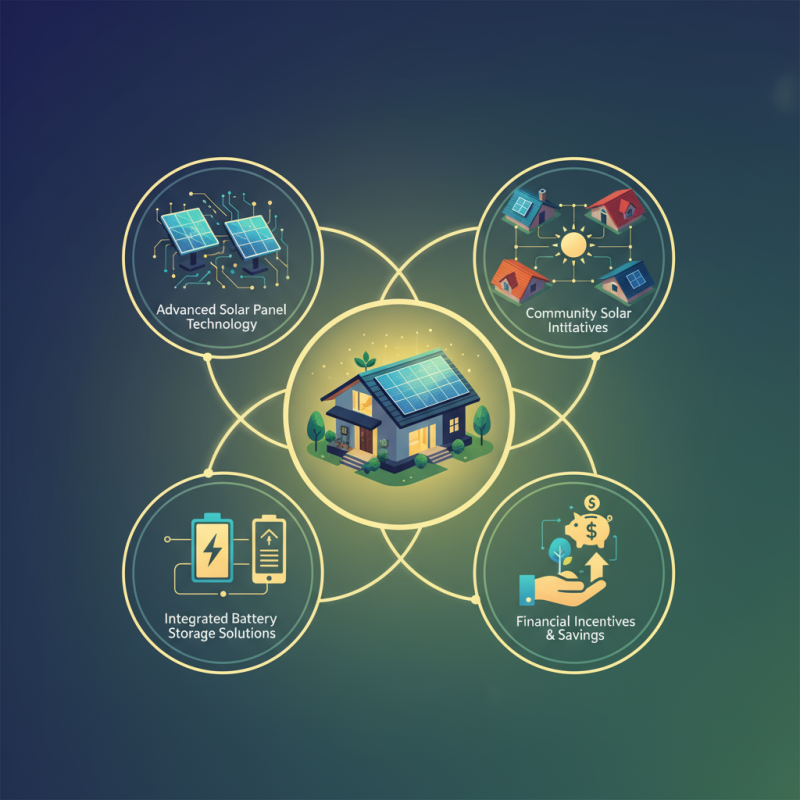
This insight emphasizes the importance of understanding the emerging trends that will define the residential solar industry in the coming years. Homeowners will find that these developments not only enhance energy efficiency but also contribute to substantial cost savings and environmental benefits. With innovations in solar panel technology, battery storage solutions, and governmental incentives, the opportunities for residential solar adoption are more promising than ever.
In this article, we will explore the top trends shaping the residential solar sector and what homeowners need to know to navigate this evolving landscape effectively. From advanced installation techniques to community solar initiatives, understanding these trends is crucial for maximizing the value of residential solar investments.
Top Trends in Residential Solar Energy for 2025: An Overview
As we look ahead to 2025, homeowners should be well-informed about the latest trends in residential solar energy. One key trend is the integration of smart technology, which enhances the efficiency and usability of solar systems. Homeowners will find that solar panels equipped with smart inverters can optimize the energy production and manage consumption in real time, allowing for more controlled energy usage. This kind of technology not only improves efficiency but can also lead to significant cost savings on energy bills.
Another important aspect to consider is the growing popularity of community solar projects. For those unable to install individual solar systems, community solar offers a viable alternative. Homeowners can subscribe to local solar farms and receive credits on their utility bills, providing clean energy access without the need for personal panel installation. This trend enables more people to participate in the renewable energy movement, regardless of their home’s location or roofing conditions.
**Tips:** When exploring residential solar options, consider your local solar incentives and rebate programs to maximize your investment. Additionally, always consult with multiple solar providers to compare offerings, services, and warranties. Finally, take note of your energy consumption patterns to better understand how solar can meet your needs and when you can expect to see savings.
2025 Top Trends in Residential Solar Energy: What Homeowners Need to Know
| Trend |
Description |
Impact on Homeowners |
Estimated Cost Savings |
| Increased Efficiency |
Advancements in solar panel technology are leading to higher efficiency rates. |
Homeowners can generate more energy from the same roof space. |
Up to 20% more savings on energy bills. |
| Battery Storage Solutions |
Integration with advanced battery systems for energy storage. |
Increased energy independence and reliability during outages. |
Potential to save additional 30% during peak hours. |
| Smart Home Integration |
Solar systems becoming part of the smart home ecosystem. |
Optimization of energy usage and savings through automation. |
Additional 10-15% savings on overall energy costs. |
| Government Incentives |
Expansion of federal and state incentives for solar installation. |
Lowered initial investment costs for homeowners. |
Potentially save up to 30% on installation costs. |
| Community Solar Programs |
Emergence of subscription-based solar energy sharing. |
Access to solar energy without needing a personal installation. |
Average savings of 15-20% on energy bills. |
The Rise of Solar Efficiency: Breakthrough Technologies to Watch
The solar energy landscape is undergoing a transformative shift, largely driven by advancements in solar efficiency. Breakthrough technologies are emerging that allow homeowners to harness more energy from the sun while minimizing installation costs and maximizing usability. Innovations such as bifacial solar panels, which capture sunlight on both sides, and enhanced energy storage solutions are making solar systems more powerful and reliable than ever before. These technologies enable homeowners to not only generate electricity but also to store it for use during peak demand periods or cloudy days, enhancing energy independence.
In addition to hardware improvements, software advancements play a pivotal role in optimizing solar energy use. Smart energy management systems can analyze energy consumption patterns and solar production, automating decisions on when to use, store, or sell electricity back to the grid. These systems empower homeowners with greater visibility and control over their energy usage, ultimately leading to significant cost savings. As technology continues to evolve, it will be crucial for homeowners to stay informed about these emerging trends, ensuring they make smart choices that align with their energy goals and contribute to a sustainable future.
2025 Top Trends in Residential Solar Energy
This chart displays the average efficiency percentages of different types of solar panels in 2025, highlighting key trends in the residential solar energy sector. Homeowners should consider these technologies to enhance their solar energy solutions.
Cost Analysis: Understanding Financial Incentives and Subsidies in 2025
In 2025, homeowners looking to invest in residential solar energy will encounter a diverse array of financial incentives and subsidies designed to make the transition more affordable. Understanding these cost-saving options is crucial for maximizing the benefits of solar energy. Government programs at both federal and state levels continue to evolve, providing tax credits, rebates, and grants that can significantly lower the initial investment required for solar installation. Homeowners should actively research available options in their area, as these incentives can vary widely by location.
In addition to government incentives, private financing options have become more accessible, offering flexible payment plans and low-interest loans for solar installations. These financial products allow homeowners to spread the cost over time, making solar energy a viable choice for those who might be hesitant due to upfront expenses. Furthermore, many utility companies are introducing programs that reward homeowners for generating excess solar energy, allowing them to earn credits that can offset future energy bills. Together, these financial instruments provide a comprehensive framework for homeowners to not only invest in sustainable energy but also realize significant long-term savings on their energy costs.
The Role of Energy Storage: Batteries Transforming Solar Energy Usage
The integration of energy storage systems, particularly batteries, is becoming an essential component in the residential solar energy landscape. Homeowners are increasingly realizing that solar panels alone may not effectively cover their energy needs throughout the day and night. By incorporating battery storage solutions, households can store excess energy generated during peak sunlight hours, making it readily available for use in the evening or during periods of low solar generation. This capability not only enhances energy independence but also allows homeowners to optimize their energy consumption and reduce reliance on the grid.
Moreover, advancements in battery technology are significantly improving the efficiency and affordability of energy storage systems. Modern batteries offer longer lifespans, faster charging times, and higher capacity, enabling homeowners to harness and utilize solar power more effectively. As a result, the combination of solar panels and energy storage systems is paving the way for a more sustainable energy future, allowing families to maximize the benefits of their solar investment while contributing to a reduction in carbon footprints. Embracing this trend allows homeowners to play an active role in the transition toward renewable energy and energy autonomy.
Government Policies: How Legislation Will Shape the Solar Landscape in 2025
In 2025, government policies will play a pivotal role in shaping the residential solar energy landscape, influencing homeowner decisions and market trends. Recent data from the Solar Energy Industries Association (SEIA) indicates that residential solar installations are expected to grow by over 25% annually, driven largely by supportive legislation at federal and state levels. Key initiatives, such as extended tax credits and state-level incentives, continue to boost solar adoption. The Investment Tax Credit (ITC), which allows homeowners to deduct a significant percentage of their solar installation costs from their federal taxes, remains a cornerstone of policy support, set to persist through 2025.
Moreover, new regulations promoting renewable energy mandates are expected to emerge, pushing states to increase their renewable energy portfolio standards (RPS). According to a report by the National Renewable Energy Laboratory (NREL), states adopting more ambitious RPS targets could see residential solar capacity increase by as much as 50% over the next five years. Homeowners will need to stay informed about local policies, as various incentives may differ significantly, impacting the overall cost-effectiveness of solar investments. By aligning with favorable government policies, homeowners have the potential to maximize savings and contribute to a cleaner energy future.