2025 Top Solar Panel System Trends and Benefits You Need to Know
As we approach 2025, the landscape of solar energy continues to evolve, influenced by technological advancements and a growing emphasis on sustainability. The solar panel system stands at the forefront of this transformation, offering innovative solutions that not only address energy needs but also contribute to environmental conservation. Understanding the latest trends and benefits associated with solar panel systems is essential for homeowners and businesses looking to invest in renewable energy sources.
In this guide, we will explore the emerging trends that are shaping the future of solar panel systems, such as enhanced efficiency, integration with smart technologies, and new financing options. Additionally, we will delve into the various benefits these systems provide, including reduced energy costs, lower carbon footprints, and energy independence. By equipping ourselves with knowledge about solar panel systems, we can make informed decisions that align with our values and goals for a sustainable future.

Emerging Solar Panel Technologies to Watch in 2025
As we look ahead to 2025, the solar panel industry is on the brink of several
technological advancements that promise to revolutionize energy generation and efficiency.
Emerging solar technologies are set to enhance performance while reducing costs, making solar energy more accessible.
For instance, bifacial solar panels, which capture sunlight from both sides,
are projected to boost energy yields by 10-20% according to a report by the National Renewable Energy Laboratory.
This allows for increased efficiency in installation spaces, especially in environments with high albedo.
Additionally, the integration of solar energy with energy storage is becoming increasingly viable.
As noted in the Global Energy Storage Database,
battery storage systems paired with solar panels are expected to grow significantly, with predictions of a market increase of
over 30% by 2025. This evolution not only facilitates energy use during peak demand hours
but also promotes self-sufficiency for homeowners and businesses alike.
Tips: When considering your solar panel options, look for advancements such as high-efficiency photovoltaic cells and systems that include integrated energy storage.
These technologies can drastically increase your energy independence and reduce long-term costs.
Stay informed about local incentives for adopting these technologies, as many regions offer tax credits
or rebates to encourage solar panel installations.
Environmental Benefits of Adopting Solar Panel Systems
The shift towards solar panel systems has gained remarkable momentum, with significant environmental benefits that cannot be overlooked. According to a report by the International Energy Agency (IEA), the deployment of solar power is projected to reduce global carbon dioxide emissions by up to 4.2 gigatons annually by 2030. This reduction is pivotal in combating climate change, as the energy sector accounts for approximately 73% of total greenhouse gas emissions worldwide. The transition to solar energy not only minimizes reliance on fossil fuels but also promotes cleaner air quality by reducing pollutants that contribute to respiratory and cardiovascular diseases.
Moreover, adopting solar panel systems leads to reduced water usage in energy generation. Traditional energy sources like coal and natural gas require substantial amounts of water for cooling and processing, often straining local water resources. The National Renewable Energy Laboratory (NREL) highlights that solar PV systems use significantly less water compared to conventional energy production, making them a sustainable alternative for water-scarce regions. By harnessing solar energy, communities can preserve vital water supplies while simultaneously promoting renewable energy sources that are environmentally friendly.
Transitioning to solar energy also fosters biodiversity. By decreasing the need for fossil fuel extraction and associated habitat destruction, solar installations can play a role in conserving ecosystems. According to the World Wildlife Fund (WWF), the proliferation of renewable energy sources can help protect endangered wildlife and maintain biodiversity, providing a dual benefit of energy generation and environmental preservation.
Embracing solar technology contributes significantly to a more sustainable future, where ecological balance and cleaner energy coexist.
Economic Advantages of Solar Energy for Homeowners and Businesses
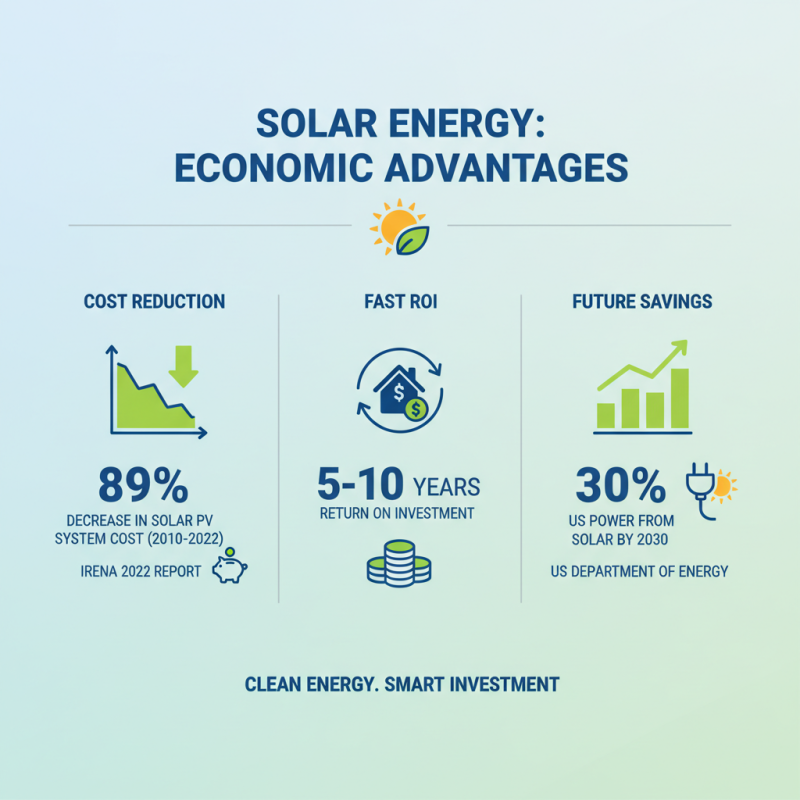
The economic advantages of solar energy for homeowners and businesses are becoming increasingly evident as the technology and market for solar panel systems evolve. According to a 2022 report by the International Renewable Energy Agency (IRENA), the global average cost of solar photovoltaic (PV) systems has decreased by approximately 89% since 2010. This significant drop in costs makes solar energy an appealing investment for property owners, with many seeing a return on investment (ROI) within 5 to 10 years. Additionally, the U.S. Department of Energy projects that solar energy could account for up to 30% of the nation’s power generation by 2030, offering substantial savings opportunities as energy prices stabilize or decrease.
For businesses, adopting solar solutions has shown to enhance economic resilience. A study conducted by the National Renewable Energy Laboratory (NREL) noted that companies utilizing solar power experienced lower operational costs by up to 75%, allowing them greater flexibility in budgeting and investment in other areas. Moreover, businesses that invest in solar technology can benefit from various tax incentives, such as the Investment Tax Credit (ITC), which was extended to 30% through 2032, further enhancing the economic feasibility of solar adoption. These financial incentives combined with decreasing installation costs create a favorable environment for solar energy, positioning it as a vital component for a sustainable future both for individual homeowners and businesses looking to reduce their carbon footprint while benefiting financially.
Trends in Solar Energy Storage Solutions for Enhanced Efficiency
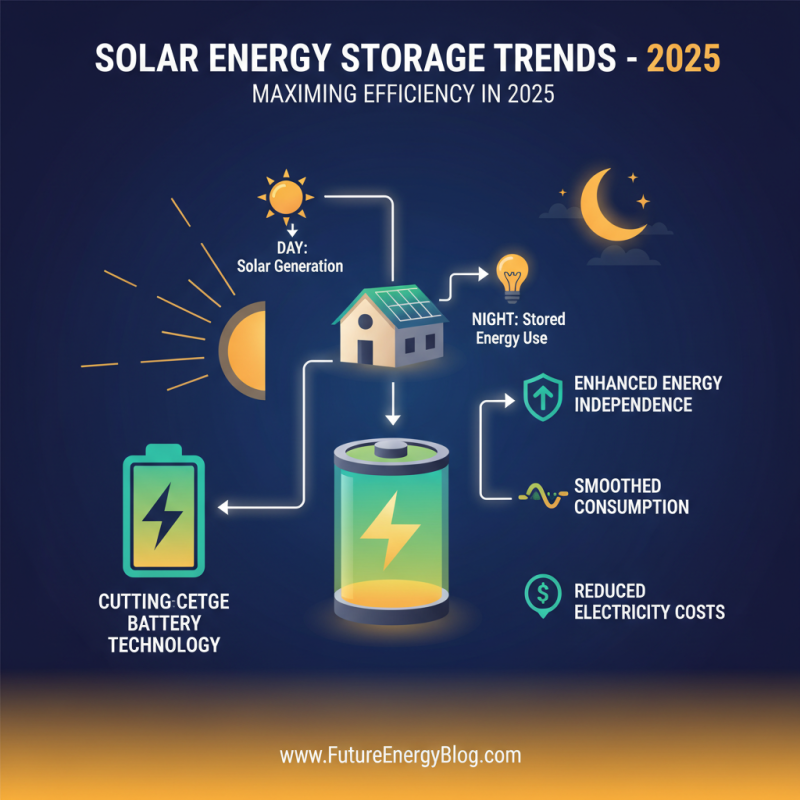
As the solar energy industry continues to evolve, advancements in solar energy storage solutions are becoming pivotal for maximizing efficiency. In 2025, one of the most significant trends will be the integration of cutting-edge battery technology that allows homeowners and businesses to store excess solar energy generated during the day for use during peak demand times in the evening and nighttime. This capability not only enhances energy independence but also serves to smooth out consumption patterns, ultimately reducing strain on the grid and lowering electricity costs.
Another trend is the development of smart energy management systems that couple with solar storage solutions. These systems leverage artificial intelligence and machine learning to analyze energy usage patterns, optimize battery usage, and control energy flow within a home or facility. By dynamically managing when to store or use energy, these smart systems can increase overall efficiency and ensure that solar energy is utilized at its fullest potential. As these innovations take center stage, consumers can expect greater reliability and functionality from solar energy systems, paving the way for a more sustainable and profitable energy future.
Government Incentives Driving Solar Panel Adoption in 2025
Government incentives are playing a crucial role in accelerating the adoption of solar panel systems in 2025. As nations around the world ramp up their efforts to combat climate change, many governments are implementing attractive tax credits and rebates to encourage homeowners and businesses to switch to solar energy. These financial benefits significantly lower the upfront costs associated with purchasing and installing solar panels, making them a more accessible option for a broader audience.
Moreover, an increased focus on sustainable energy sources has prompted various state and federal programs to provide long-term financial support for solar infrastructure. This includes grants and low-interest loans specifically designed to facilitate solar energy projects. Such measures not only boost the domestic solar market but also contribute to job creation in the renewable energy sector. As regulations become more favorable, individuals and organizations alike are incentivized to invest in solar technology, paving the way for a more sustainable and eco-friendly future.